“Everything was burning…We didn’t have a chance even to take out our clothes”
In the aftermath of the fire that ravaged a Clarkston apartment complex, refugee families navigate next steps.
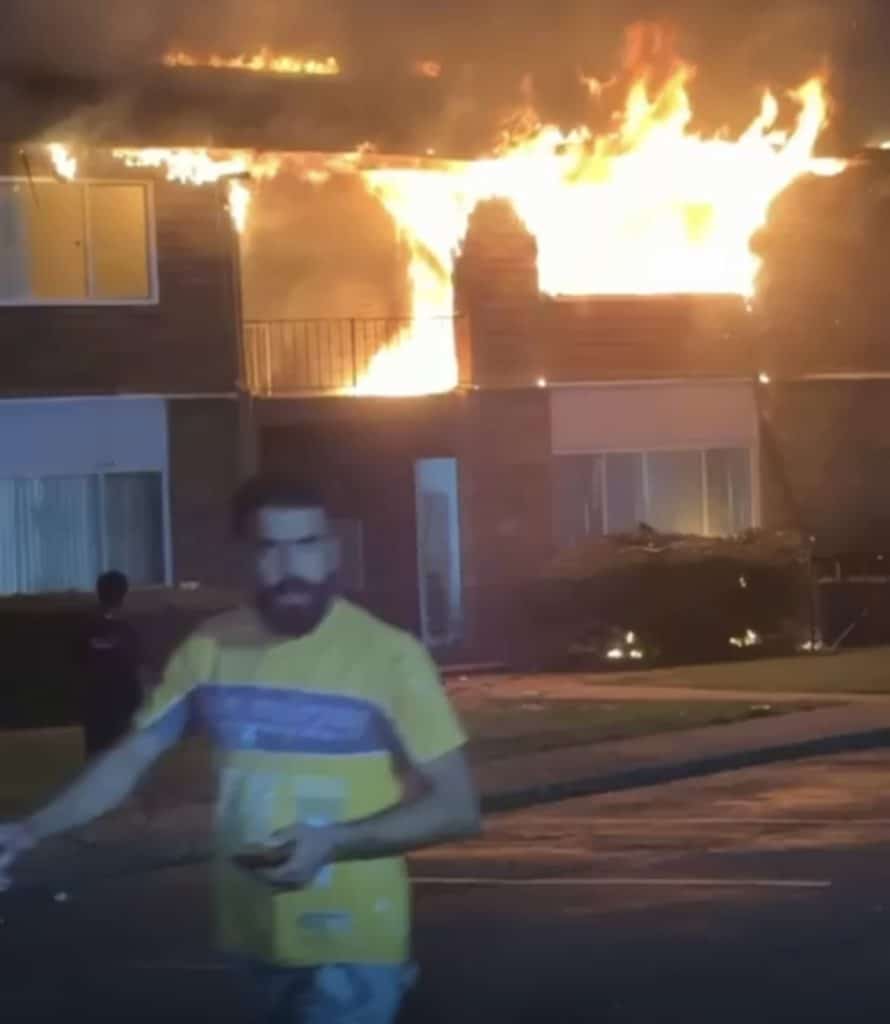
Ahmed Shakib was at the Atlanta airport last Monday, where he works as a janitor and wheelchair assistant, when he got a call from his wife. She told him that there was a fire and to come home immediately.
He raced back to his apartment at the Clarkston Oaks complex, but when he got there, the entire building had succumbed to flames.
Over 50 people, most of them who have arrived to the U.S. from all over the world – Afghanistan, Pakistan, Burma, Syria, Venezuela, and the Democratic Republic of Congo – were displaced by a fire that exploded in Building D of the complex on August 18 around 9pm. At least four children were reportedly injured, though none in serious condition. The Dekalb County Fire Department is still investigating the cause and haven’t responded to a request for comment on the status of the investigation.
“Everything was burning,” said another tenant at the apartment complex who also works at the airport. “Everything was surrounded by police and by the firefighters,” he said. “We didn’t have a chance even to take out our clothes,” he told 285 South. “We have only one pair of clothes” – the same ones he was wearing that day, he said.

R James Properties, the company that owns the apartment complex did not respond to 285 South’s request for an official comment on the status of the tenants and what they were doing to support for them, although when we spoke to a lady at the leasing office, she said that the majority of tenants had been relocated to “sister properties”, or had found other housing arrangements.
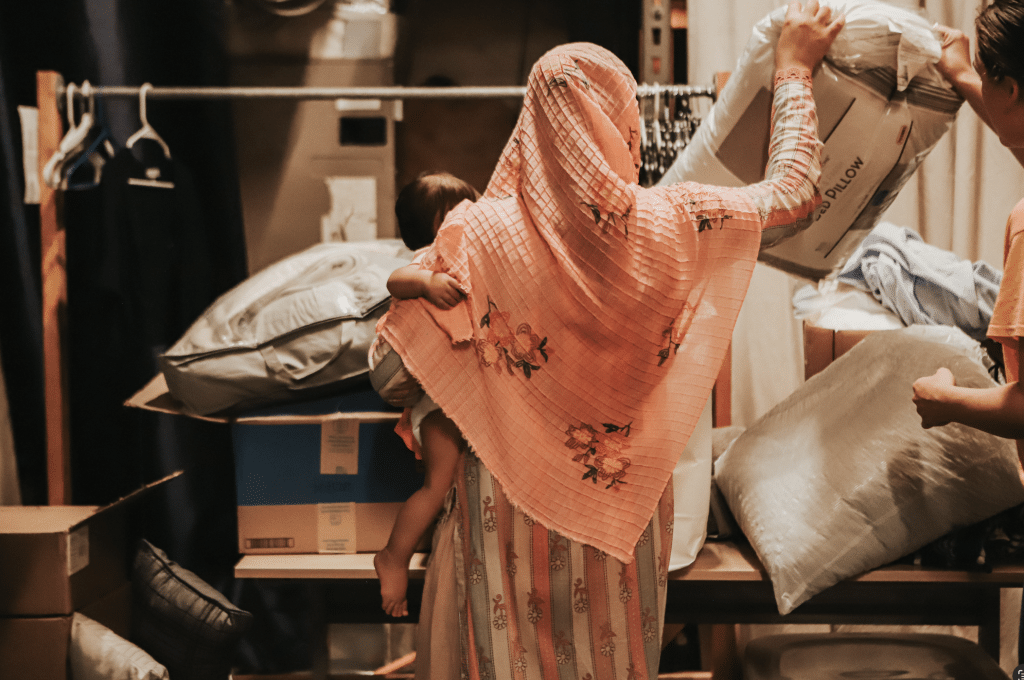
Community groups and neighbors that 285 South spoke to said most tenants who lived in Building D are now in temporary housing. A relief; though for Ahmed Shakib and others, they are still facing an uphill struggle. They are trying to navigate a maze of paperwork, leases, and insurance that has come since the catastrophe; while also trying to find mattresses and pots, so they can get a good night’s sleep, a home cooked meal, and get back to work as soon as possible.
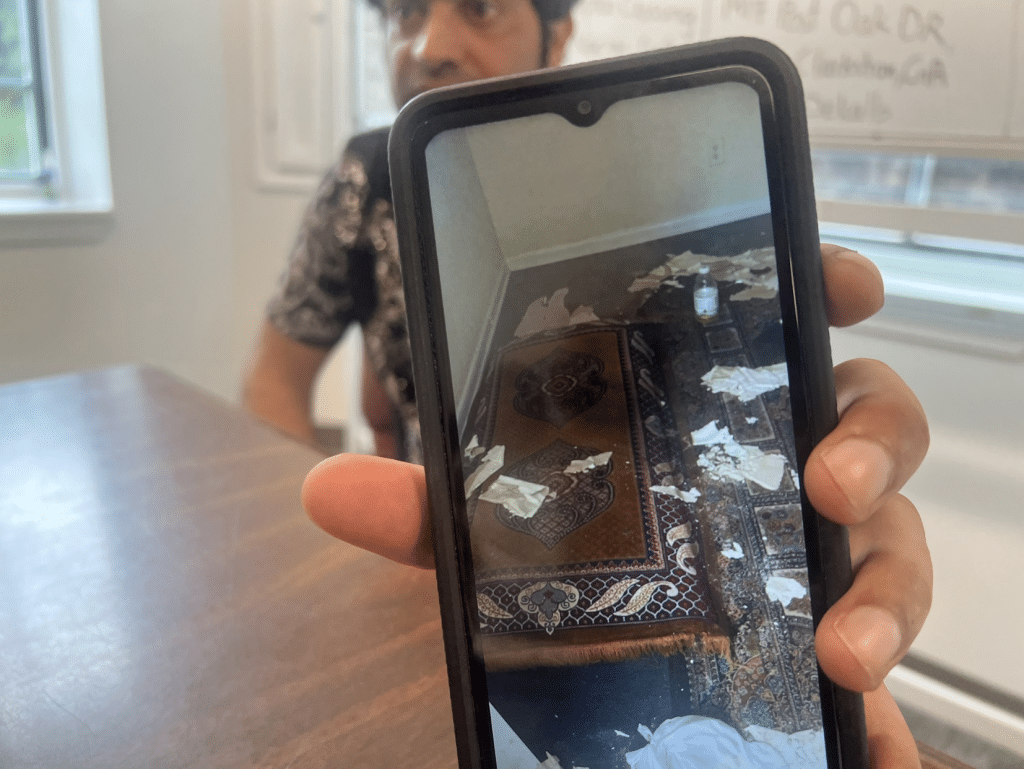
Sitting at the Afghan American Alliance of Georgia’s (AAAGA) office on Friday, Ahmed, who doesn’t speak English, waited patiently as Marzia Rostami, a coordinator with AAAGA, spoke to his insurance agent for him. “We only have a small amount that will be released to him,” the agent said to Marzia over the phone. “The remaining amount will be released through the claim.” Marzia then explained to Ahmed that he would need his August rental deposit receipt to get that small amount.
Ahmed and his wife lost almost everything in the fire, except for a rug (which he later threw out because he said it smelled of chemicals from the water the firefighters had used), and some of their documents. He wasn’t sure where the rental deposit receipt was; maybe it had been burned. He and his wife have been sleeping on the floor in an apartment the property company had relocated them to; an apartment which he said cost around $200 more than the Clarkston Oaks apartment.
Their finances are tight – he’s already missed a few days of work to deal with the fire aftermath – and it’s a new job that he’s nervous about losing, even if the pay is low. “I have to pay $1,150 for the new apartment, and my paycheck is $2000 so I’m wondering how I’m going to pay all the bills,” he said, with Marzia interpreting for him.
Community groups like AAAGA, along with refugee resettlement agencies like the IRC-Atlanta, and New American Pathways, churches, as well as concerned neighbors, have been coordinating relief efforts for the family; organizing everything from financial donations to furniture drop-offs to calling local elementary schools to inform them some children won’t be making it to class for a few weeks.
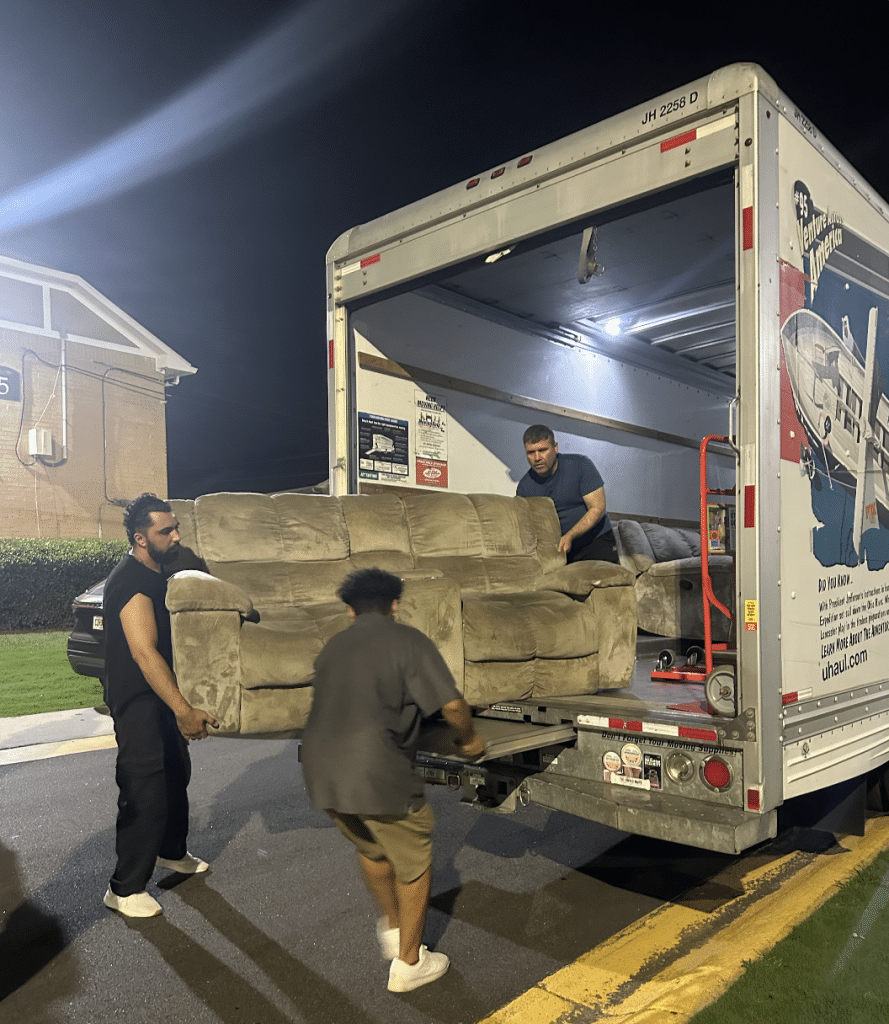
Shaista Amani with AAAGA noted that it’s not easy for everyone who needs help though, to be able to access it. “Some people don’t know how to figure it out. Like the Afghan ones, at least we are here to help them with interpretation and reaching out to the insurance. But then what happens to others like the Rohingya or Burmese…there’s so many communities where there is not a nonprofit or somewhere for them to go.”
The biggest needs at the moment, she said, are mattresses, gift cards for clothes, school supplies, backpacks, and washer and dryers. (Information on how to donate these items here).
On Friday, one tenant, who had been a pilot in Afghanistan, went to Walmart to pick up a few things for the temporary apartment he was relocated to since the fire. He didn’t have rental insurance, so he’s either been paying out of pocket for things, or getting support from community groups. “Now we need some dishes, mattresses,” he said, and he hoped to borrow some clothes and rugs from a local Afghan shop.
He said he just was grateful no one died or was seriously injured. “It’s life. The better thing. Everyone was alive.”
Author

Related Articles
At Unity Fest in Clarkston, children celebrate their cultures, both old and new
DeKalb County students come together for the third annual festival
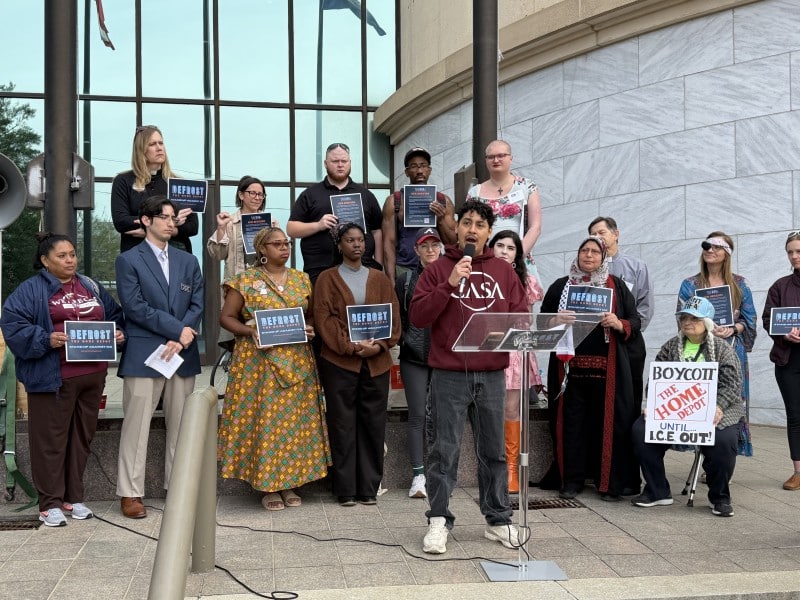
Atlanta advocates demand: “Get ICE out of Home Depot now”
As popular spots for immigrant day laborers to find work, Home Depot locations across the country have been repeated targets of ICE raids. Now advocates are pressuring the Atlanta-based company—an official sponsor of the upcoming World Cup—to take a stand.