
Students urge the University System of Georgia Board of Regents: Divest from companies profiting off the war in Gaza
Representing 12 student groups from a variety of institutions, the activists pointed to a powerful precedent: the USG’s divestment from apartheid South Africa.

On Thursday, a group of about 30 students, alumni, and activists showed up at the University System of Georgia Board of Regents meeting to urge divestment from companies directly involved in the war in Gaza.
After months of trying, it was the group’s first opportunity to speak in front of the board, which sets policy for 26 public colleges and universities in the state, including the University of Georgia and Georgia Tech. In December and January, the coalition of students—representing 12 organizations at different institutions—submitted requests to present to the regents, who meet regularly throughout the year. After failing to receive a response, the coalition staged a sit-in outside the board’s January meeting, and was subsequently permitted to make a five-minute presentation when the regents gathered again in May.
“We need to ensure that our institutions are not partnering or working with companies that are directly involved in human rights violations,” said Renee Alnoubani to board members and about 100 attendees present. A 21-year-old student from Georgia Tech, Alnoubani was speaking on behalf of the coalition, which includes Georgia Tech Alumni for Palestine, the Muslims Students Association at Emory University, and the Georgia State university Chapter of Students for Justice in Palestine
“We are also here on behalf of the hundreds of thousands of students in Gaza who no longer have access to education,” she continued. Alnoubani referred to United Nations human rights experts who’ve argued that the destruction of over 80 percent of Gaza’s schools constitutes a scholasticide—a term that refers to the systemic obliteration of education through the destruction of its infrastructure.
USG’s Board of Regents is composed of 19 members, appointed by the governor and serving seven-year terms. “The USG has [an] immense impact in its role overseeing public Georgia universities and ensuring that they remain up to standards, and on top of that, the USG has its own investments and partnerships with companies,” Saima Firoj, a Georgia Tech alum, told 285 South in a text message. “Therefore, if the USG were to choose to divest from companies profiting from human rights violations in Gaza and implement this as a policy across its member institutions, those universities would also be obligated to similarly divest, which would have a chain reaction of positive impact via standing for justice and against oppression.”
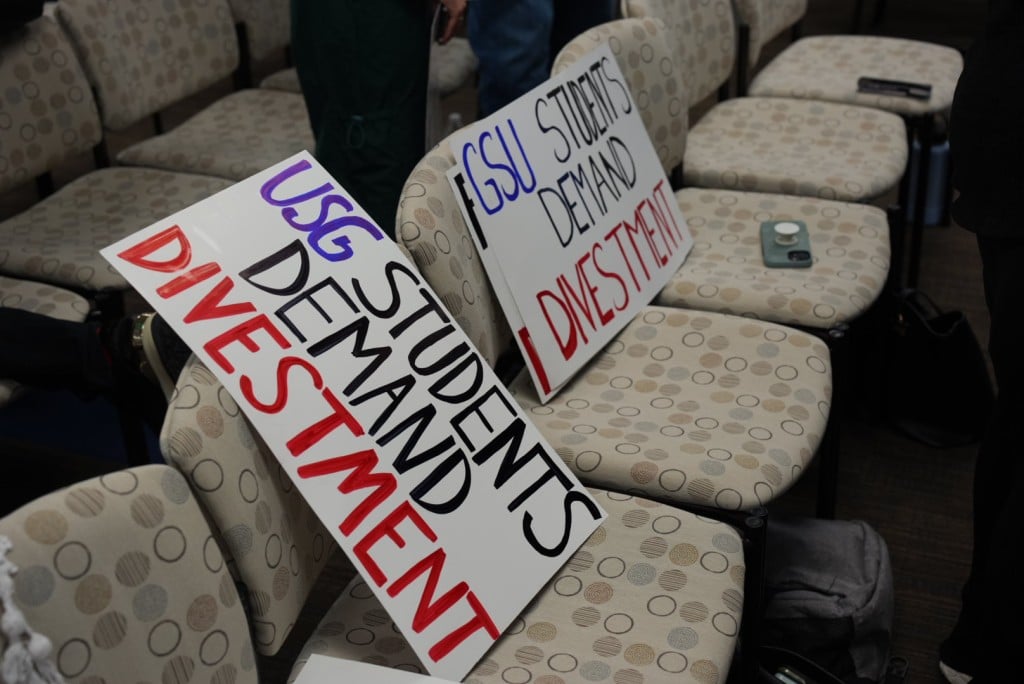
Alnoubani and the students behind the call to action proposed creating an ethical investing committee to oversee investments and regularly report to students and the community about their actions toward divestment.
“Divestment is about working towards ethical research practices and ensuring that we have a positive impact and don’t contribute to harm,” Alnoubani said, pointing to a precedent set in 1986, when Georgia regents voted to divest completely from all companies operating in the apartheid state of South Africa. “The USG has shown us that it can stand up for truth and justice even when it’s difficult. Now we need that more than ever.”
Nationally, a handful of universities have taken steps toward divesting from companies tied to Israel. Earlier this month, for instance, the University of San Francisco announced plans to divest from four U.S. defense companies that have contracts with the Israeli military.
Immediately after Alnoubani spoke, the meeting was adjourned. The board will convene again in August; it is yet to be seen if they will consider the students’ proposal.
Students, alumni, and other supporters hugged and shed tears after finally getting to make their presentation. During the summer, the student organizations will reorganize and strategize what they will do in the upcoming semester to keep pressuring for divestment, Firoj said.
Related Articles


“The world just seems like it’s against them. So it’s really hard when the school does this on top of everything else they’re dealing with”
Cobb County parent speaks out, shaken, after conversation with principal about school walkout
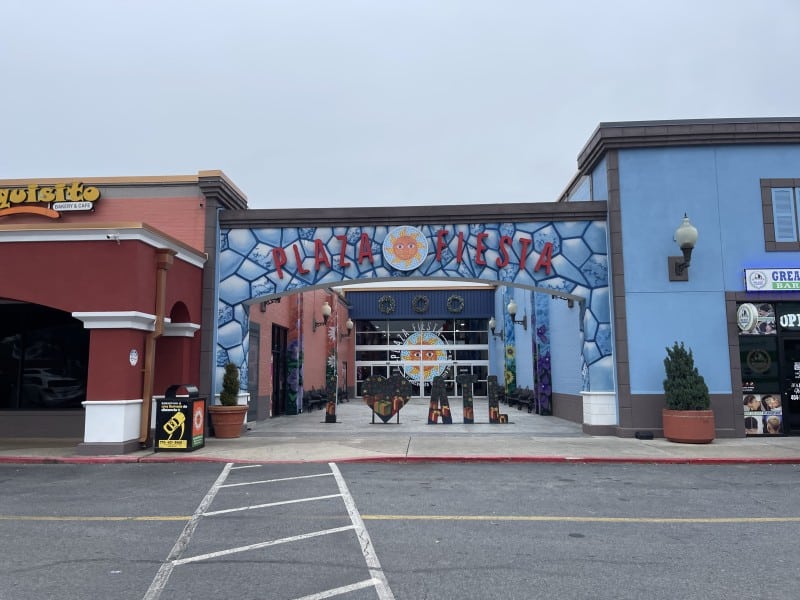
En Plaza Fiesta, conocida como el corazón de la comunidad hispana en Georgia, “casi no entra gente”
Trabajadores y dueños de tiendas del centro comercial latino dicen que el negocio ha estado lento durante el último año, lo que ha provocado reducción de horarios y un futuro incierto