Creating a safe space for people to be themselves: An interview with Satyam Barakoti, co-founder of Pride in Mother Tongue
“We wanted to have a space where we could celebrate queerness with pride, but also say ‘yes’ to the languages we speak, the food we eat, the clothes we come in, and embrace the inside jokes of our ethnic communities.”
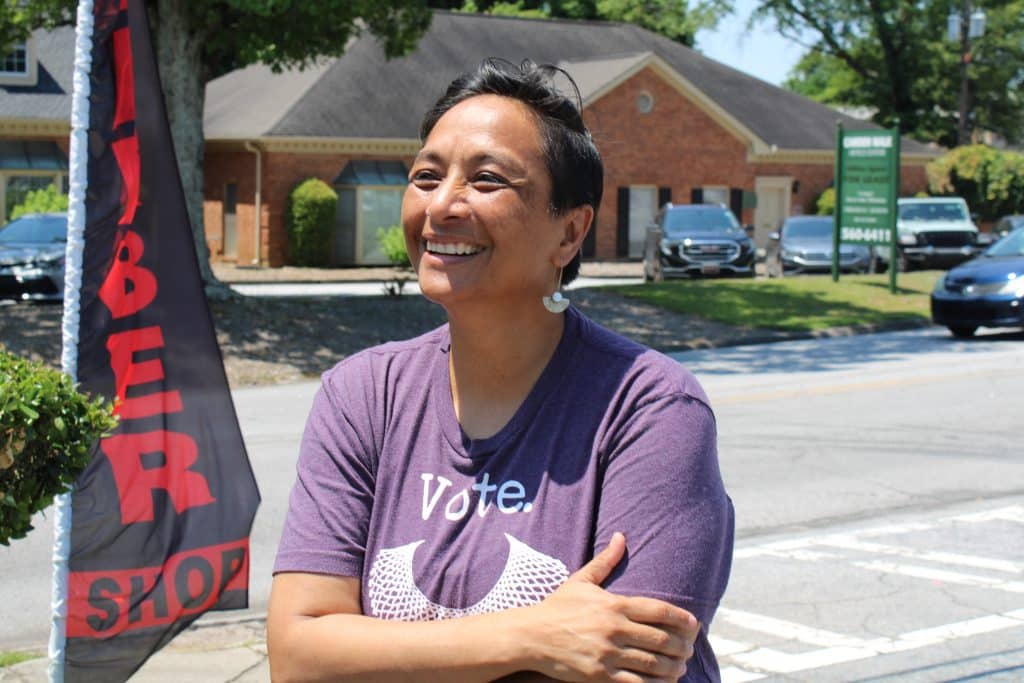
Satyam Barakhoti remembers it vividly. The group she co-founded, Pride in Mother Tongue (PIMT), had rented an Airbnb to throw a pool party, after “people from the group expressed that they’d love to go swimming and feel comfortable coming out in their bodies the way they are.” A transgender woman from Afghanistan who had moved to Atlanta just a few months prior had joined and told organizers, “This was my best day in America.”
Satyam is one of four founders of PIMT, a grassroots collective that hosts bimonthly gatherings for queer immigrants and refugees in the Atlanta area.
The organization, which started in January of 2022, is housed within the nonprofit Compassionate Atlanta. Run by just a few volunteers, they’ve welcomed over 20 individuals to the group since its founding. They are from all over the world — from countries ranging from Ukraine to Venezuela to Mali — newly arriving in Atlanta, and all looking for a sense of belonging.
285 South spoke with Satyam about why she felt the need for the organization, her own journey, and her hopes for Pride in Mother Tongue’s future.
This interview has been edited for length and clarity.
Why do you think it’s important for LGBTQ+ immigrants and refugees to have a space to gather?
Each of us has multiple identities that we hold. I have my girlfriend community, my queer mom community, my gardening community, and my sewing community. Each of us, based on the identities that we carry, has groups and avenues that we see. What we’re finding is that, even though there are a lot of queer spaces and queer-supporting organizations in Atlanta, they are not catering to the needs of immigrant communities.
We are always finding when we interact in the larger queer community, a part of us is visible, seen, and supported but there is also a side of us that doesn’t get celebrated in the same way our queer identity does. We wanted a space where we could celebrate queerness with pride, but also say yes to the languages we speak, the food we eat, the clothes we come in, and embrace the inside jokes of our ethnic communities.
What types of events does Pride in Mother Tongue host?
Our current thinking is to just get people together, bring food, and host events that give people an excuse to show up. We see ourselves as a community that is trying to create a broader queer and ethnic pride community. We want to serve as a conduit between this community and the larger queer community in Georgia. One of our main events is trying to get people to come to the Pride march in October. This will be our third year coming together as a group marching in Atlanta Pride.
We try to do at least one event every other month. In the past, we’ve hosted a movie screening and rented an Airbnb for a swim party. People from the group expressed that they’d love to go swimming and feel comfortable coming out in their bodies the way they are.
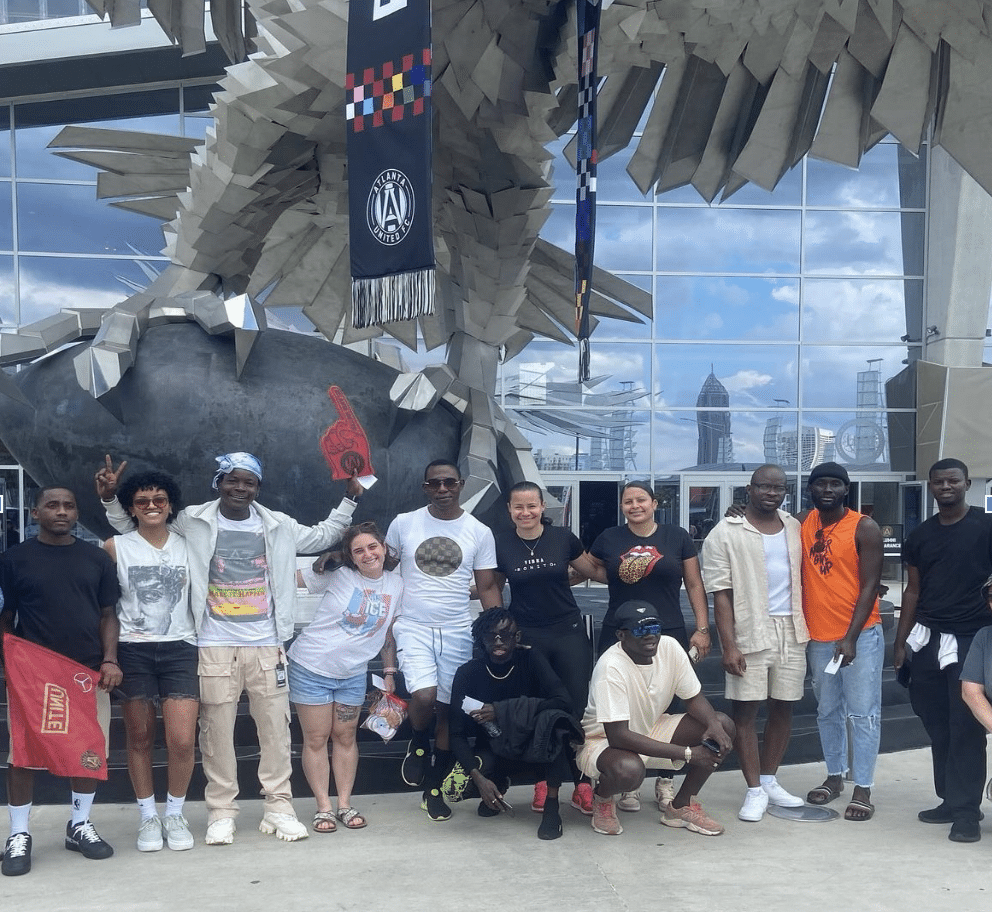
Because soccer is such a big thing in the immigrant community, we also had an opportunity to go to the Atlanta United Pride-sponsored event.
Tell me about the people that come to these meetings.
The folks who have come have been wonderful. At one meeting, two men from Mali spoke fluent French, but no English and had been in the country for about two months. We had a transgender person from Afghanistan who had been in the country not even a week — and an ally couple who were also Afghan. It was really cool for them to see other Afghan people and know they were there to support each other.
My experience is that I came out pretty late; I was in my 30s. I have this whole community that I grew up with in Nepal and then a community in India that I went to school with. They are very far away from my Atlanta community of chosen family. When I came out, I was scared of how my Nepali and Indian friends would respond to that. I was conscious of my anxieties but still put it out there anyway. I got nothing but support from my friends in both countries and that has meant so much to me. Those very intangible things are very tangible to the integrity of a person.
What is your hope and vision for the group?
My hopes and visions for this organization are tied to the larger vision for the queer community in Georgia. We want to be seen, we want to be loved, and we want to be respected for who we are. We also want the same rights and the same confidence of walking out into the world as a hetero-white and well-resourced American feels. We want that for the entire community — the transgender community, the intersex community, and the immigrant and refugee community.
In Georgia, it feels like we go one step forward and three steps back. Who knows what will happen in this election that’s coming up? We want transgender people to get gender-affirming care and our intersex people to live the life they deserve.
What has been the most challenging aspect of what you’re doing?
Part of the challenge of working with immigrant communities, especially immigrants who are new to the country, is transportation. Language can be complicated, so we focus on spreading the word and ensuring we’re on the same communication platform as others. We do this through word of mouth, community groups, and online groups.
It can be complicated because your Arabic-speaking communities are not in Spanish-speaking communities. If you’re communicating in a native language, you can get much more insight into what these groups need. We would love to put our resources in multiple languages.
We’d also love to organize and handle transportation for these people, ensuring we can pick people up and drop them off for events. Realistically, those logistics are hard to organize.
Follow @prideinmothertongue on Instagram to stay updated on the organization’s future events.
Author

Related Articles
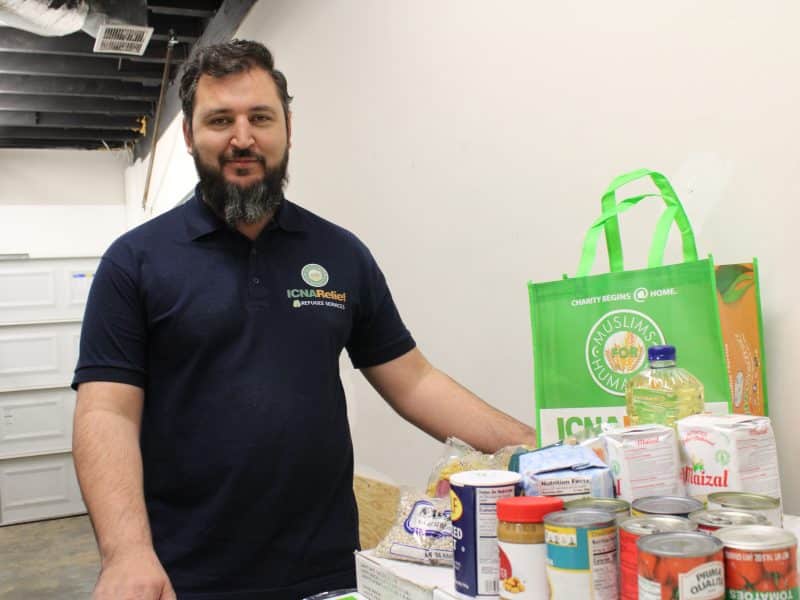
An afternoon at the ICNA food pantry on Memorial Drive
We sat down with Abdul Basit to talk about his work fighting food insecurity and what it’s like to do his job in the midst of mass federal cuts.
“I cannot sit around doing nothing.”
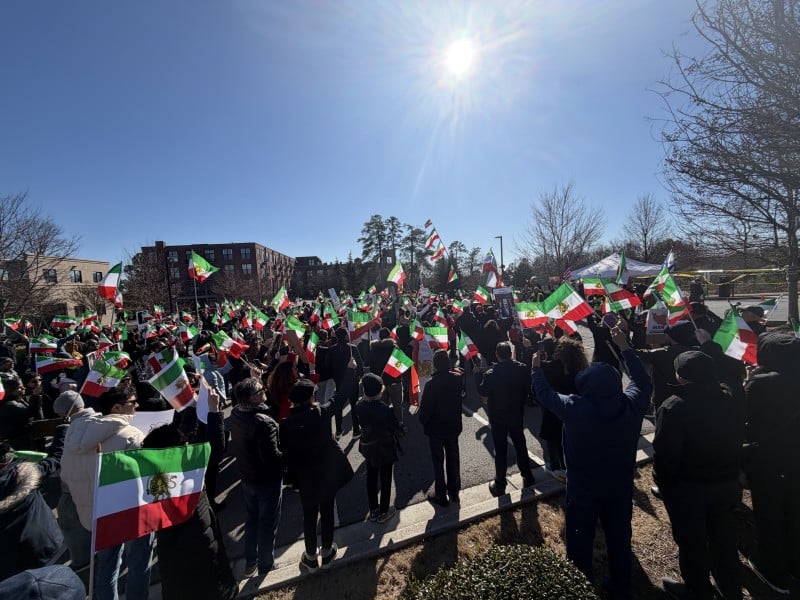
With internet access severely restricted in Iran, solidarity rallies and social media campaigns have popped up around the Atlanta metro.
“Everybody has a ‘Raani’ in their house”
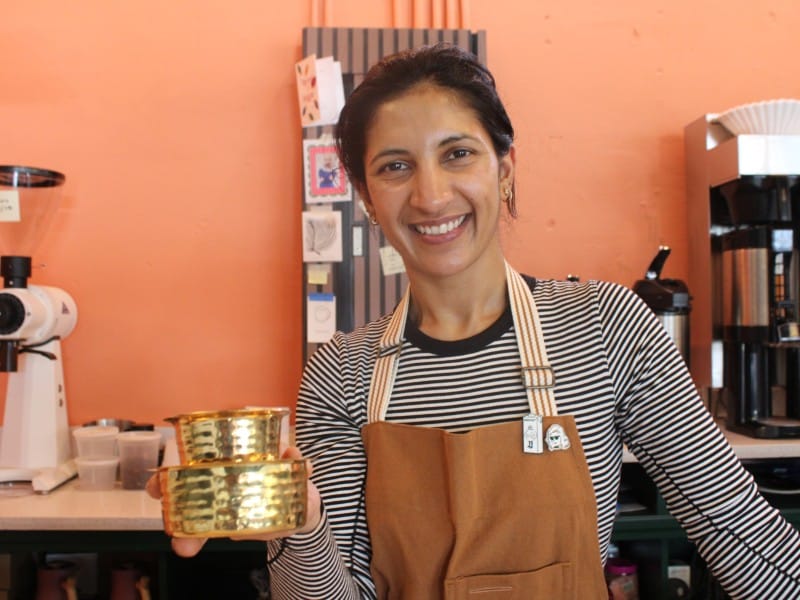
At Raani Coffee on Moreland Avenue, Praveena Sundarraj honors South India’s coffee traditions—and builds a new kind of “third space” for coffee aficionados and their parents