
“If we return, we may face death”: Haitian families in the Atlanta area fear losing their legal status in the U.S.
Many immigrants from Haiti are here under Temporary Protected Status, which covers people from countries experiencing violence or disaster—and which the Trump administration has taken aim at.
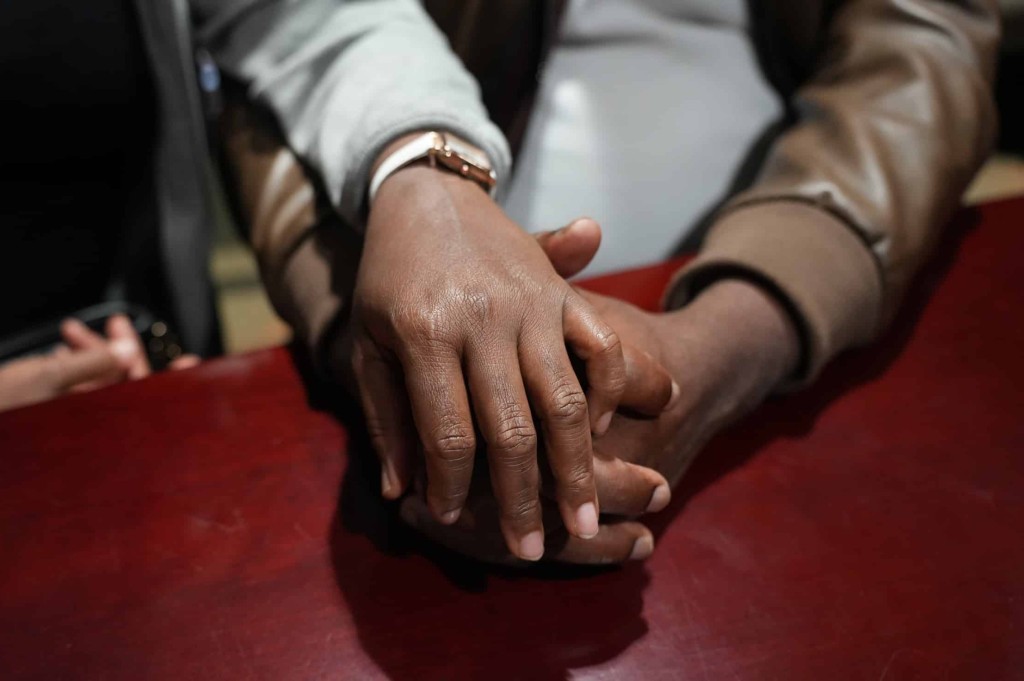
Juan thinks about his future in the United States every day.
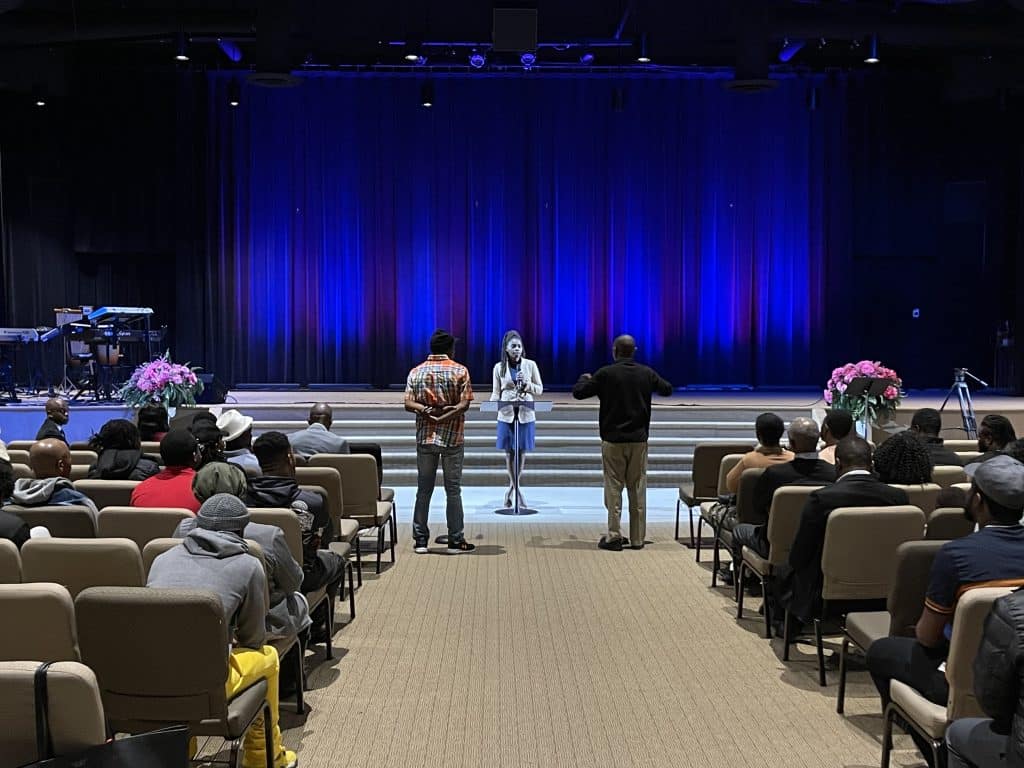
On a Sunday afternoon in early March, the 37-year-old joined about 50 other Haitians at a meeting at the Good Samaritan Haitian Alliance Church in Lawrenceville, a sprawling megaplex just off Sugarloaf Parkway, where over 800 people come regularly to worship. They were seated in neat rows in the church’s auditorium, listening to an immigration attorney who was addressing their concerns about recent changes in American immigration policy.
Speaking to 285 South on the sidelines of the meeting, with his hands resting on his chest, Juan explained that gang violence and economic instability in Haiti finally forced him to leave in 2012. He lived for eight years in Chile, then Mexico for a few months, before crossing the border into the U.S. in 2021.
Juan, who asked for his real name not to be shared, has been able to legally live and work here because he has Temporary Protected Status (TPS), a legal status that makes it possible for people from certain countries—where conditions are considered unsafe due to armed conflict, natural disasters, or other extraordinary conditions—to stay in the U.S. temporarily without fear of deportation.
But now, Juan is fearing deportation. That’s because in late February, in another move by the Trump administration that expands the pool of people who can be deported, the Department of Homeland Security—which manages the TPS system—announced it was reversing a Biden administration decision that would have extended TPS until February 2026 for a large number of Haitians in this country. Juan’s status—and that of half a million others around the country—is set to expire on August 3, leaving them vulnerable to deportation.
The decision by Homeland Security could have profound effects in the Atlanta metro area, which is home to about 25,000 Haitians—many of whom have TPS, according to church leaders. (Separately, the Trump administration is ending TPS protections for hundreds of thousands of Venezuelans in the U.S., putting them too at risk of deportation, starting April 7.)
Juan is fully settled in Gwinnett County, where he works the night shift at a poultry plant. He and his wife are raising three kids, the youngest of them one year old. “When someone has an opportunity to be legal and is threatened with losing it, that brings a lot of concern,” he told 285 South in Spanish, a language he learned while working in the Dominican Republic. (On Friday, a group of Haitian TPS holders in the U.S., along with clergy and labor advocates, filed suit in federal court to block the Trump administration’s decision.)
About a third of Good Samaritan church’s 800-person congregation have TPS, said Watson Escarment, the church’s director of administration and operations and one of the organizers of last Sunday’s meeting.
“Everyone is in panic mode,” said Mardochée Pardieu, an associate pastor.
At the event, Pastor Mardochée introduced immigration attorney Lana Joseph, who updated attendees on the latest developments, talked about routes that people could take to obtain permanent status in the U.S., and fielded questions from the audience. Among those that came up: whether or not community members should apply for a work permit under TPS, even though it is ending in August for Haitians; if they should be worried about being stopped by authorities on the street, and what should they do and say or not say; and what preventive actions can they take in light of the now looming TPS deadline.
This wasn’t the first time Good Samaritan has been involved with immigration issues. In 2021, when reports surfaced of thousands of Haitians stranded at a border encampment in Texas, members of the church leadership organized a trip to offer assistance. Since then, the church has welcomed newcomers and organized community events to provide information on immigration policy, housing, and financial literacy.
Right now, the church is helping high-school-age parishioners transition from TPS status to another type of visa—like a student visa—when they go to college; it’s also raising funds to support visa applications. Good Samaritan has also organized legal clinics where attendees can ask an attorney how to obtain work permits or apply for asylum or other immigration statuses. Pastor Mardorchée is advising people to build up their savings, too—so they’ll have funds to restart their lives abroad if they need to leave the country.
Pedro and Maria (not their real names) also attended Sunday’s information session. The Haitian couple and their children, ages 26 and 11, applied for TPS in December, but haven’t received approval. Pedro’s mother is a U.S. citizen, so she was able to sponsor him in his attempt to gain permanent legal residency—a process that started back in 2012, with Pedro still years away from knowing whether he’ll be approved. He does have employment authorization, and a job at an asphalt company. But since Trump assumed office, Pedro only leaves his house for work and for necessary errands, like buying groceries. He no longer goes to parks with his family or does much else outside their home. “You’ve got to be careful,” Pedro said.
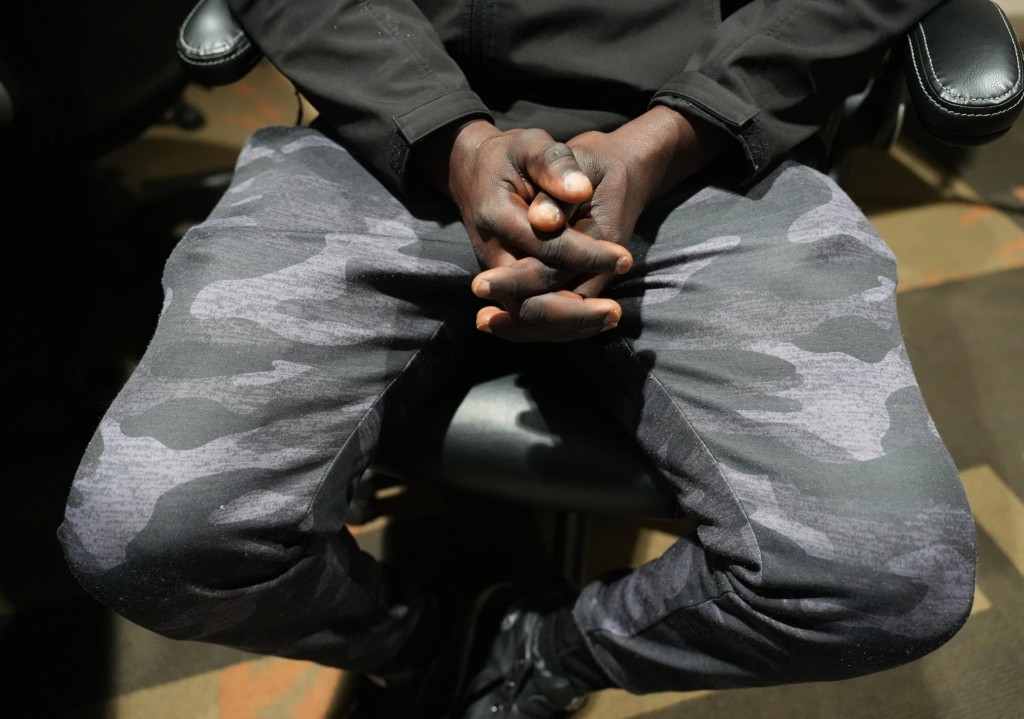
Juan and his family have a pending asylum case—their only hope to remain in the U.S. once their TPS expires in the summer. He said the uncertainty has affected his mental health, and that of his friends without permanent status in the U.S. “We don’t have a home to return to,” he said. He worries especially for his children, who’ve already adjusted to living in Georgia, and his parents back in Haiti—who would lose the financial support he’s been able to provide by working in the U.S.
“Haiti is still in a complicated situation,” Juan said. The country is in the midst of a long-term humanitarian, economic, and political crisis—which worsened after the 2021 assassination of President Jovenel Moïse, and armed groups took control over much of the capital of Port-au-Prince, forcing thousands to flee. Deportations by other countries have also had an impact on the island: In 2024, about 200,000 people were repatriated to Haiti, with many coming back to find that they had no home there anymore. “If we return, we may face death,” Juan said.
Related Articles

“No more discussion about ICE will be permitted”
Inside the Dekalb County School Middle School advisory meeting that shut down concerns over ICE
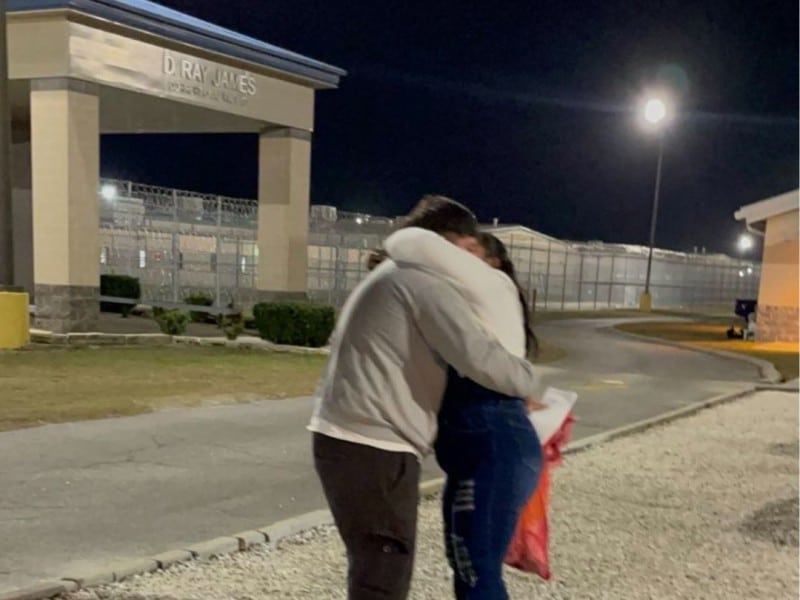
“There’s three people that are free”: More than 3 months since the Hyundai raid, immigrant rights group secures release of workers
Still, legal support is needed to support several of the workers who are detained at the Folkston ICE Processing Center.
“I like the lifestyle we had”: Following an ICE detention and voluntary departure, an Atlanta couple spends the holidays apart
Arrested earlier this year during a routine traffic stop, Jorge realized that the best way to stay in the U.S. was to leave it—at least temporarily. Now he and Adalina are looking for a way to get him back.