
“I feel like there is a little bit more hope in my life right now”
285 South speaks to a mixed status married couple in Dekalb County about Biden’s latest executive order on immigration.
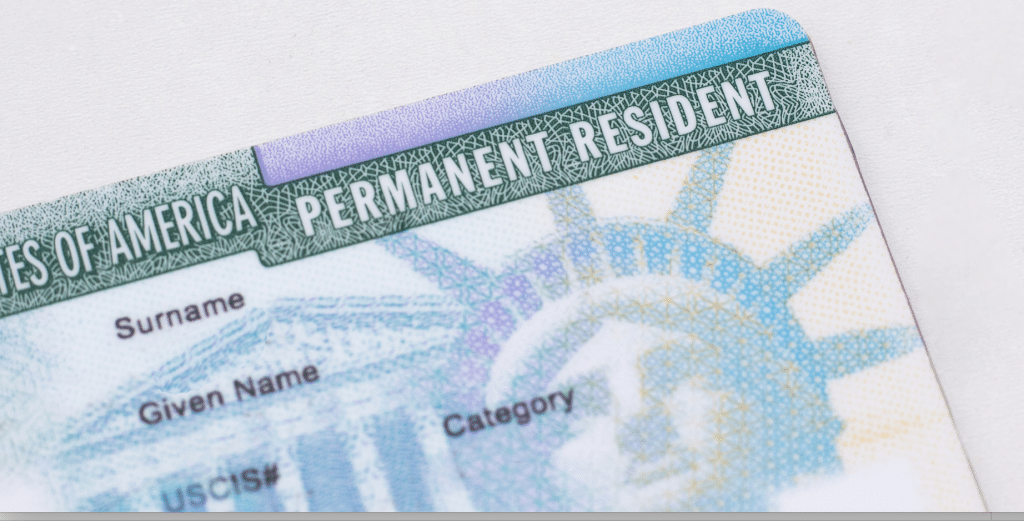
The Biden Administration announced an executive order last week that would provide protection for undocumented spouses of U.S. citizens. Under the new policy, spouses can apply for a green card while remaining in the U.S. without fear of deportation, rather than having to leave the country to apply. The law is expected to take effect by the end of the summer.
Rosa, a Dekalb County resident who does not have legal residency status (and asked for her real name not to be used), said she was excited when she heard the news. “I feel like there is a little bit more hope in my life right now,” she told 285 South. She’s been living in the U.S. for 20 years, and has been married to her husband Alex (whose name has also been changed), who is a U.S. citizen, for the last two years.
This change, she said, would “alleviate every anxiety I have.” And, she added, “I know the recent ruling was only for political purposes.”
Rosa is among the more than 12,000 spouses in Georgia that the new law will protect, according to the Latino Community Fund – GA. The new policy will also make it easier for the state’s more than 20,000 recipients of Deferred Action for Childhood Arrivals (DACA) to access work visas.
The news came just two weeks after the White House announced a policy to restrict people crossing the southern border from seeking asylum.
285 South contributor Liliana Alvarado spoke to Rosa and Alex about what these new protections could mean for their family.
This interview has been edited for length and clarity.
How did you feel when you heard the news about Biden’s latest immigration policy?
Rosa: When Biden made the announcement, I became excited. I feel like there is a little bit more hope in my life right now with that in mind, but we are still very cautious since we do not know what the process looks like, and how much it costs.
But the idea of being able to legally work is refreshing because I do not have DACA (Deferred Action for Childhood Arrivals).
Do you believe this is a genuine move from the Biden Administration or a tactic to secure votes for the upcoming election?
Rosa: I 110% believe that this is just a vote-related issue because the week before, Biden had declared he would ban asylum applications, and he has always been very anti-immigrant his entire presidency.
While I am glad for this, I know the recent ruling was only for political purposes especially with how niche it is because ultimately this will only help about 5-10% of the undocumented population in the United States.
How does that make you feel for you?
Rosa: It is exhausting, but it reminds me we need to be more vocal about our exhaustion.
This was my first time fully paying attention to the news when they were covering the recent ruling, and I realized the way they were framing undocumented immigrants irritated me because they always show the same clips of immigrants crossing the border, but the media does not show the actual realities of undocumented immigrants living in the United States. By doing so, it emphasizes undocumented immigrants as “criminals” using these images and videos.
It reminds me that being undocumented is just not this stereotype, in reality, it is this massive umbrella of identities within the undocumented community.
Tell us about yourself. How old were you when you came to the United States, and how would you label your immigration status?
Rosa: I was four years old. It was me, my mom, and my sister who came to the United States. We arrived in California, but only stayed for a brief period, and then moved to Georgia. I have been here ever since.
I grew up in a mixed-status household. While my sister had DACA, my mother and I remained fully undocumented.
How did you and Alex meet?
Rosa: We met 7 years ago. I was taking my niece to get a gift from a bookstore, and I saw Alex, and I went up to him. Initially, I just wanted a new friend, but then I thought, “Oh, he’s kind of cute”. So now it has been two years since we got married.
Alex – what was your initial thought when Rosa informed you of her immigration status?
Alex: Although I am a US citizen, I come from an undocumented family as well, so I did not think of her immigration status as a burden or hassle once I found out. Because I was the driver for friends and families without status or depended on me for certain privileges that I have due to being a citizen, her immigration status did not matter to me.
Although I am a US citizen, I come from an undocumented family as well, so I did not think of her immigration status as a burden or hassle once I found out.
‘Alex’, Dekalb County resident
Before the announcement of Biden’s new immigration policy, did you hope you would have a chance for US citizenship at some point in your life?
Rosa: I did because we had already started the process for Alex to petition for me. It was tough to maintain hope though because the timeline was so long. I was in contact with other families or couples doing a similar process, and I found out they sent applications in 2021, and were barely getting a response this year. So to think that it would take that long was making it very hard to remain hopeful. I understand this new program is meant to streamline the whole process better, but I am still very cautious.
The program is expected to begin by the end of summer. Are you prepared to apply?
Rosa: I’d like to say I am prepared to apply for it. I applied for DACA back in 2021, and it was just a lot of evidence that went unused because the program was rescinded again after the Texas judge decided to do so. And so, because I have all this evidence that I already provided the USCIS, it already takes away half the hassle because part of the hassle is providing evidence to prove you have been in the United States continuously since you arrived.
Our biggest worry right now is how much is it going to cost to apply for this program and all the fees that come with it. Since April of this year, certain fees have increased in prices so we are also looking into seeing if we can afford it.
Alex: Another thing we think about is, will the program stay in place once the Presidential election is over because we realized that while Biden might have started the program if Trump is elected, he should easily shut it down, so that is another worry we have when applying.
How would this alleviate some issues for you due to your immigration status?
Rosa: I think it would alleviate every anxiety I might have. I am a very independent person, so having to rely on my partner for the most common things, it doesn’t feel nice because I like to do things on my own.
But especially when it comes to the work permit. Now that I have earned my Bachelor’s degree, I have applied to so many jobs, and I usually end the interview by asking if they would be willing to hire me using my Tax ID, and I immediately get told that I am no longer a candidate for the position. Although I know I am a great candidate for certain positions, the lack of a Social Security Number, it’s a hurdle I can not get past and why I have not been able to secure a job.
“Now that I have earned my Bachelor’s degree, I have applied to so many jobs, and I usually end the interview by asking if they would be willing to hire me using my Tax ID, and I immediately get told that I am no longer a candidate for the position.”
‘Rosa,’ Dekalb County resident
Alex: Considering we also want to start a family, this would also alleviate the anxiety of Rosa having to go back to Mexico, and waiting for permission to come to the United States. We are holding off from having a family so we won’t be separated at any point.
Is there anything you aspire to do now that you have a pathway to permanent legal status, without fear of deportation?
Rosa: Honestly, the first thing that brings me joy when I think about having legal status, is having the opportunity of seeing my mom who currently resides in Michoacan, Mexico. Our relationship was a bit rocky, but through the last couple of years, it has gotten better, so I would love to reunite with her.
“Honestly, the first thing that brings me joy when I think about having legal status, is having the opportunity of seeing my mom who currently resides in Michoacan, Mexico.”
‘Rosa,’ Dekalb Country resident
Alex: For one, I would love to travel as a couple. We would love to visit countries in South America, Asia, and Europe, and would like to learn about different cultures. Considering we both have always lived in Georgia and have not traveled much within the United States, having the freedom to leave the country together would be great.
Authors


Related Articles
These are the bills impacting immigrants in Georgia that survived Crossover Day—or didn’t
Crossover Day is the make-or-break point for bills to have a chance of passing in each year’s legislative session. Here’s how a range of laws affecting immigrants fared.
Refugee, Muslim, and Latino organizations push for laws to improve immigrants’ quality of life in Georgia
Among them: increased opportunities for foreign medical graduates to expanding language access in schools to repealing immigration enforcement bills