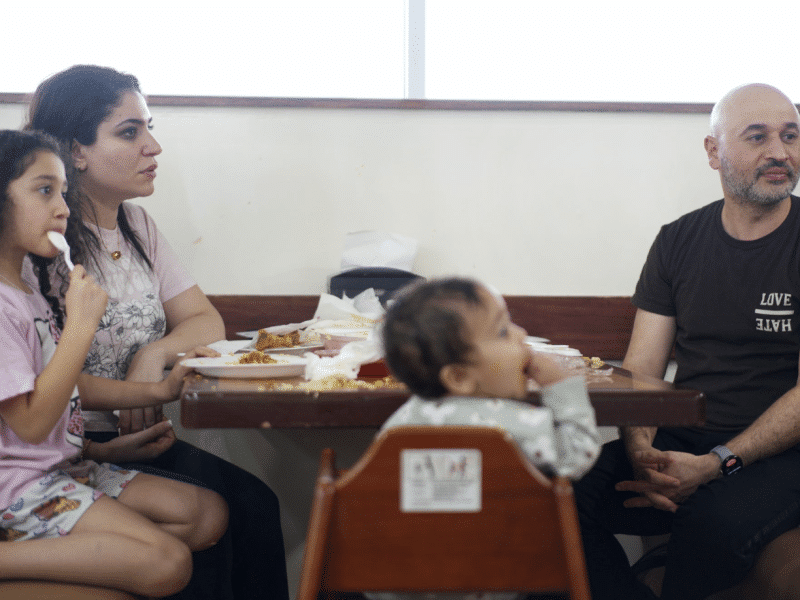
“It’s happening to everyone, to all Afghan immigrants and refugees here”
As immigration restrictions mount, life goes on in metro Atlanta’s Afghan community, despite existential anxieties.
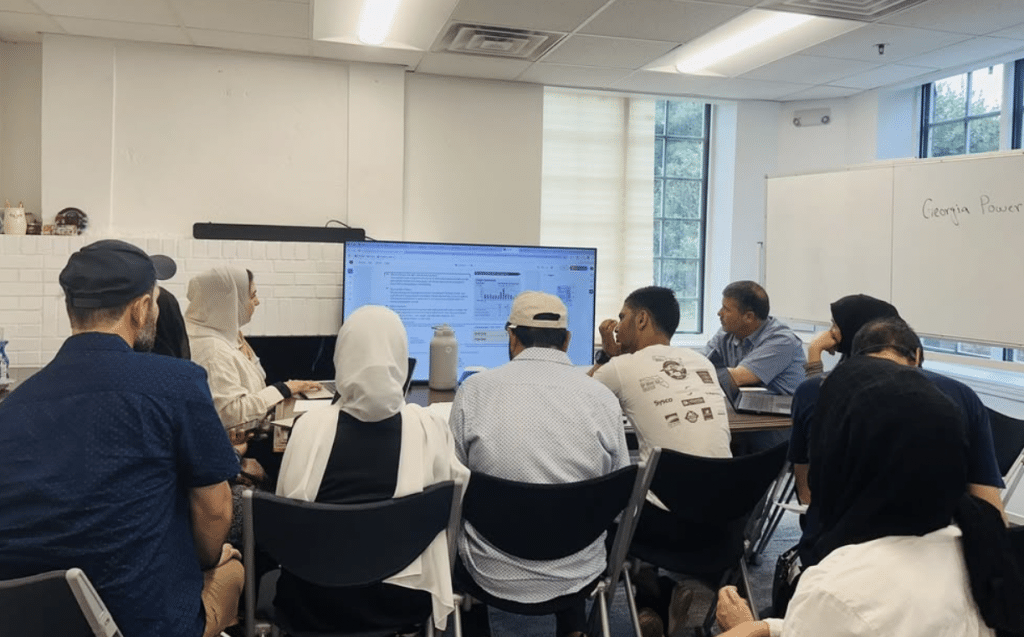
For Marzia Rostami, Monday was business as usual—mostly. Over the course of the day, a couple dozen people trickled into the offices of the Afghan American Alliance of Georgia (AAAGA), in the lower level of the Clarkston Community Center, seeking help with navigating their everyday lives in Atlanta. Many of them came in bearing piles of unopened mail—everything from power bills to Medicaid renewals to changes in car insurance. “They’re like, Okay, we don’t know what is written here,” she said. “We explain those things to them, then help them get those things done.”
This Monday, though, there were also other issues on their mind. Many of which were beyond Marzia’s control.
On November 26, Afghan national Rahmanullah Lakanwal allegedly opened fire on National Guard troops in Washington, D.C., critically injuring two—one of whom later succumbed to her injuries. Following the shooting, the Trump administration said it would pause all immigration applications for people from countries on a previously announced list of 19 countries, including Afghanistan.
And the administration has continued to announce restrictions—faster than advocates have been able to understand what they actually mean, and how it will all be implemented. For now, the administration has halted all immigration requests for Afghans; paused asylum decisions for more than one million people; ordered a review of over 200,000 refugees who came to the U.S. after 2021; and stopped green card processing for those who arrived in that time frame.
In the office on Monday, Marzia heard clients speaking amongst themselves. “They were like, Is this true? Is this really happening?”
Muzhda Oriakil, who is also from Afghanistan, works with Friends of Refugees, a Clarkston-based nonprofit that supports families through educational programming. She spoke to a woman who has been waiting for her husband, who’s still in Afghanistan—and already had his visa interview—to join her here. “She was asking me what will be his situation now if he is able to get the visa or not,” Muzhda said. Another family she spoke to said their teenage son was particularly upset. “He didn’t want to go to school,” she said, because “my friends know where I am from.”
As questions around what the restrictions mean pile up, Marzia said AAAGA has limited options for where to direct them. The organization was founded following the Biden administration’s chaotic withdrawal of troops from Afghanistan in 2021, and the return to power of the Taliban. Nearly 200,000 Afghans, many of whom had helped U.S. forces in some capacity, were also resettled in the U.S—more than 2,000 of them in Georgia. Today, the four full-time staff members at AAAGA have their hands full, managing everything from ESL classes to helping people apply for jobs to responding to local crises—most recently, supporting funeral costs and arranging living arrangements for people displaced after a fire at a Clarkston apartment complex.
Now those staff members are trying to understand what the new restrictions mean for their clients. “It’s still very new for everyone,” Marzia said. “Not only for the clients—for organizations like ourselves. We’re still trying to learn more about it.”
AAAGA doesn’t have a legal team, so they generally reach out to partners, like the International Rescue Committee–Atlanta, to help their clients with their immigration cases. But, said Marzia, their partners are also stretched. “The thing is that IRC also has a very long wait list,” she said.
Marzia herself submitted a green card application in June—and isn’t sure what the new restrictions mean for her and her parents, who are also in the process of applying. Her father reminded her that they’re not the only ones, she said: “It’s happening to everyone, to all Afghan immigrants and refugees here.”
In the meantime, she’s carrying on with her work. “What helps me? Keep moving, and then keep doing what I’m doing,” she said. This week alone, AAAGA has three driver’s permit classes to teach, walk-in hours again on Friday, and an ESL class on Saturday.
For Marzia, what energizes her is the community AAAGA has helped build through its Sew-Zan program, which connects women who are skilled at crafts like sewing and leatherwork with entrepreneurial training. (The name of the program comes from the Dari word for needle.) On Saturday, Marzia will be at the Refuge Coffee holiday market, helping them set up a table to sell their crafts.
She might not be able to fix the big things, but, said Marzia, “when I see women, even when sometimes like they’re talking about their problems, I’m like, okay, this is at least what I have done, is that I created that safe environment that they are now able to open up. Even if they’re not talking about things that are not positive, still they feel safe that they’re talking about it.”
Author

Related Articles
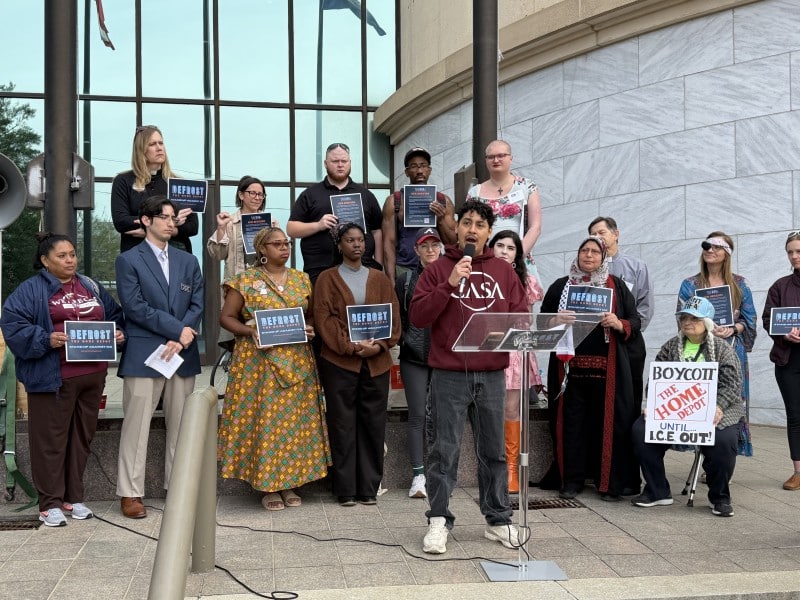
Atlanta advocates demand: “Get ICE out of Home Depot now”
As popular spots for immigrant day laborers to find work, Home Depot locations across the country have been repeated targets of ICE raids. Now advocates are pressuring the Atlanta-based company—an official sponsor of the upcoming World Cup—to take a stand.
Woman who assisted in federal abuse investigation, arrested at Atlanta airport and deported days later
“A slap in the face,” her attorney says describing her client’s situation, who had a pending U-visa application