
Metro Atlantans with a hankering for Uzbek cuisine finally have a place to get it
The third location of a popular Brooklyn restaurant, family-owned Laghman Express specializes in the hearty halal dishes—and soft hand-pulled noodles—of Central Asia.
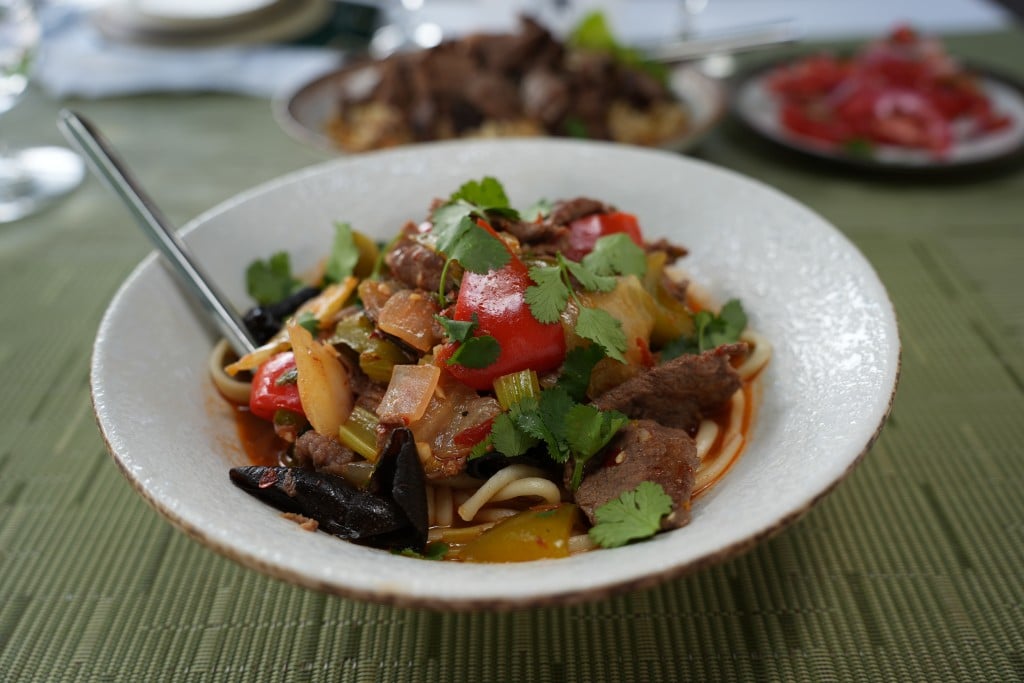
In a busy Alpharetta kitchen, three cooks start their day around 11 a.m. hand-pulling dough into long and silky noodles—and they don’t stop until the restaurant closes. Making the noodles to order ensures that diners will get to experience the soft, buttery texture that’s vital to the traditional Uzbek dish laghman, says Babur Akhmedov, co-owner of the new Central Asian restaurant Laghman Express. For the restaurant’s signature dish, the noodles are served with meat and vegetables—green peppers, tomatoes, mushrooms—in a comforting broth made with garlic, coriander, and cumin and topped with cilantro.
Open for a month, Laghman Express is an extension of a Brooklyn business founded by Babur’s nephew, Oibek Dzhuraev—which, within six months of launching in 2023, was named one of the best restaurants in the city by the New York Times. Atlanta was a natural choice for a new location, Babur said, speaking from experience: When he moved here more than a decade ago from Kyrgyzstan, he bemoaned the lack of good Uzbek food. Islam is a major religion in Central Asia—Uzbekistan’s population is more than 90 percent Muslim—and, Babur noted, that many of the Atlanta metro’s Muslim populations overlap in northern Fulton County. “We came up saying, okay, Alpharetta is the best place to open,” he says.
Uzbeks are an ethnic group native to Central Asia who make up most of the population of what’s now Uzbekistan, a former Soviet republic that became independent in 1991. The cuisine of the region was influenced by its position along the former Silk Road; key ingredients include grains (namely, long-grain rice), meats (lamb, beef), yellow carrots, and spices like cumin and coriander. The prominence of noodles reflects the influence of Chinese cuisine.
At Laghman Express, Babur imports rice from Uzbekistan via New York, and takes care to source the special yellow carrots—a key ingredient in plov, a type of rice pilaf—from Canada. The meat is halal and the restaurant doesn’t serve alcohol, given its Muslim background and clientele. (In the few weeks it’s been open, Laghman Express has also proved popular with Russian, Ukrainian, Chinese, and other metro residents curious to get a taste of a hard-to-find cuisine.) The recipes haven’t been changed to appeal to American audiences, Babur adds—his dishes taste the same as they would in Central Asia.
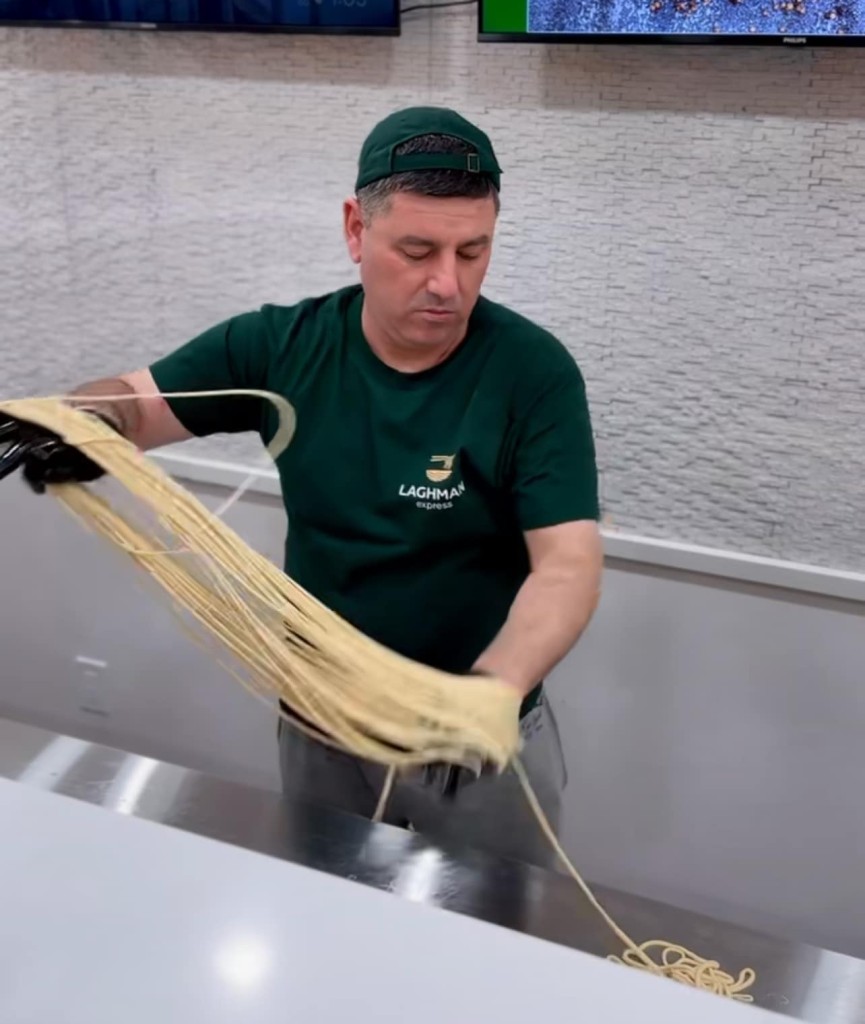
At the same time, the chefs of the restaurant—trained in Brooklyn by Babur’s nephew—prepare the ingredients they will need throughout the day to serve fresh orders. The noodle dish laghman comes from the Uyghurs, says Babur—a Muslim ethnic group who adapted it from another regional ethnic group, the Dungans. “And the Dungans took it from China,” Babur adds: a centuries-long history in one dish. Both Uyghurs and Dungans lived close to the former Silk Road, sharing migration patterns and ingredients in their respective cuisines, while preserving some Chinese influence.
The cumin-scented rice dish plov (alternately spelled palov) is made with lamb or beef and cooks for more than two hours. The second-most popular entree on Laghman Express’s menu, it’s also Uzbekistan’s national dish—and an entry on UNESCO’s Representative List of the Intangible Cultural Heritage of Humanity, which notes that “there is a saying in Uzbekistan that guests can only leave their host’s house after palov has been offered.”
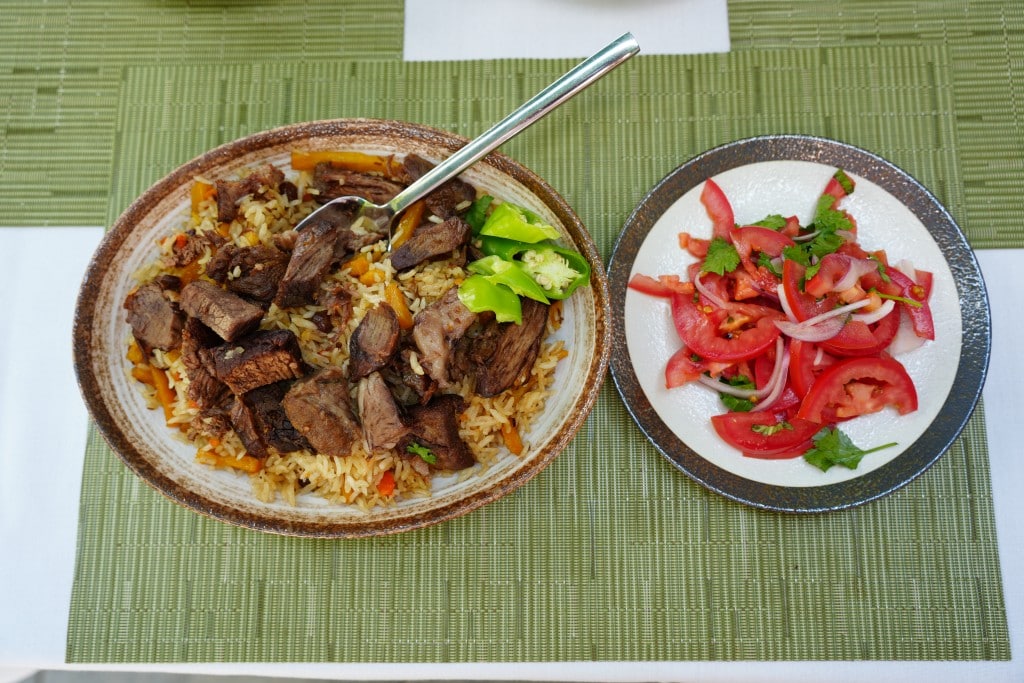
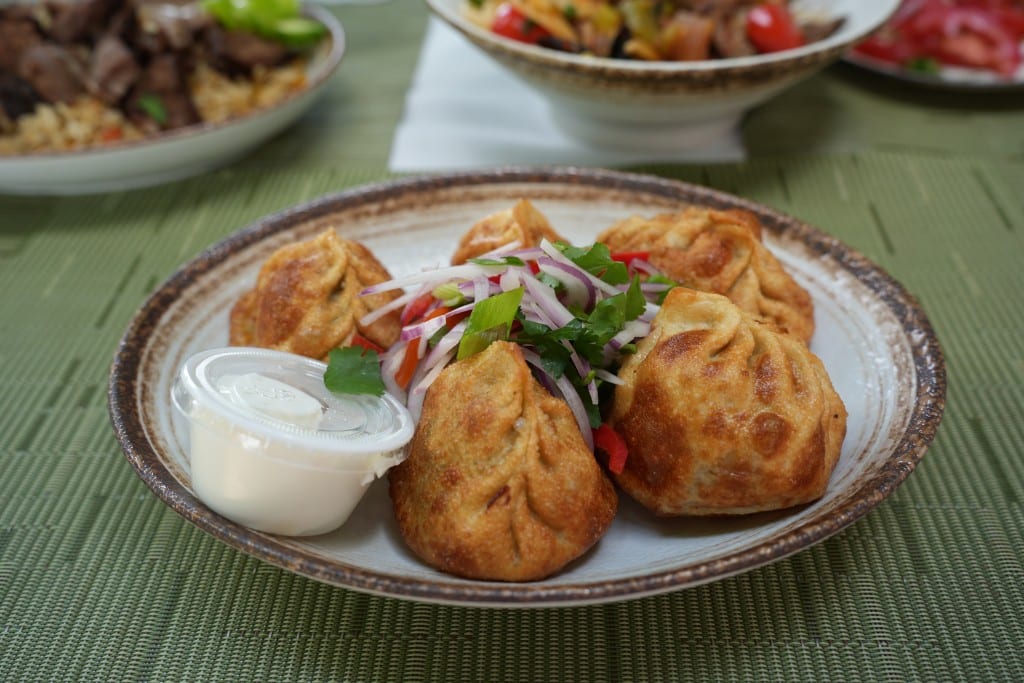
Patrons at Laghman Express are also fond of the restaurant’s kebabs, Babur says, cooked in charcoal for three hours with only cumin and salt as seasoning. People from Central Asia “can never get used to the taste” of kebabs prepared elsewhere, like Turkey, Babur says, “because they add spices that we’re not used to.” Another meaty menu item: Central Asian Manty, fried or steamed dumplings filled with minced beef or lamb and served with sour cream.

Laghman Express doesn’t serve dessert yet, but Babur soon plans to offer a napoleon; a Russian honey cake called medovik; and a dish of fried noodles doused with syrup called chack-chak. He’s also in the process of bringing a tandoor oven to the restaurant for baking pastries; right now, the Uzbek naan (served as a side) is prepared in a standard convection oven.
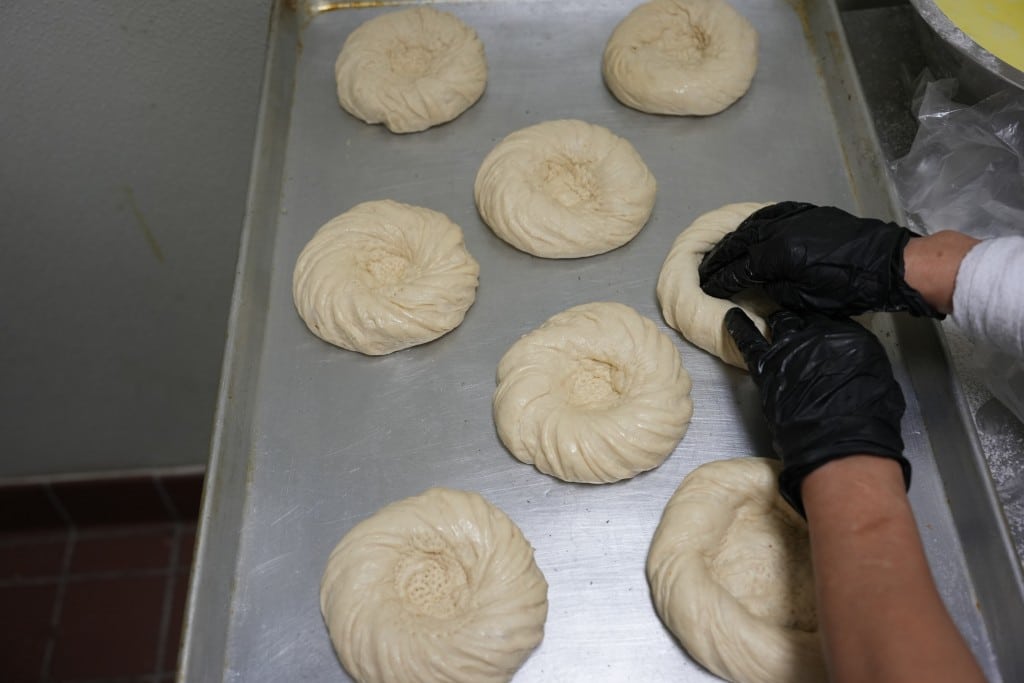
Babur always dreamed about opening his own restaurant. Back in Kyrgyzstan, his family was in the restaurant industry—and still is. He grew up helping four of his uncles in their restaurants, he said. At Laghman Express in Alpharetta, Babur’s brother-in-law and his niece’s husband are involved in the business; he wants to keep it a family affair.
“It was my dream to open a restaurant, and I didn’t know when it was going to be. I was always saying, whenever I retire, I’m going to open this restaurant, not for profit, but just to serve the food,” Babur says. Although he hasn’t retired yet—and still works full-time in a different industry—he’s already achieved his goal. “This is one of my dreams come true,” he says. “That’s why I’m really happy.”
Author
Related Articles
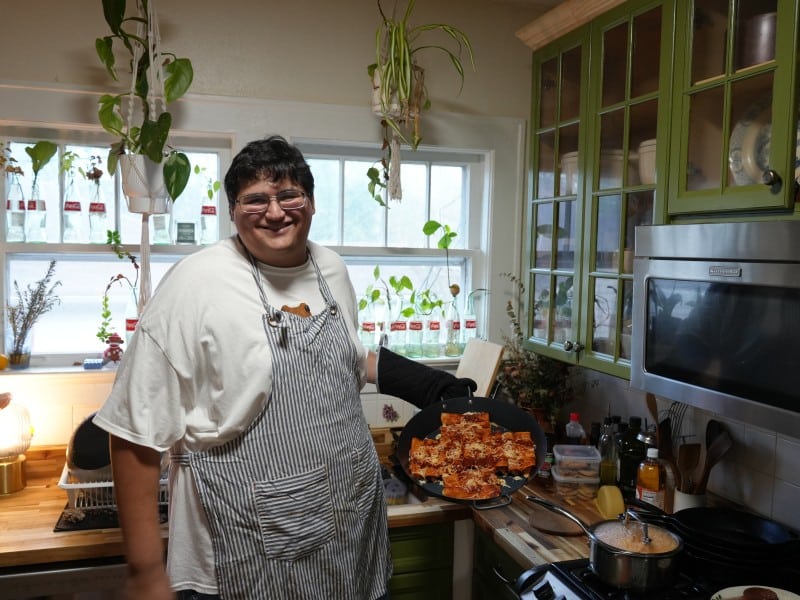
Andres Carrillo, founder of the pop-up Cocina Pachuco, is using his cuisine to fundraise for immigrants in detention
Born and raised in El Paso, the recently arrived chef is strengthening ties with his new home. One way he’s doing that: supporting the state’s immigrant communities.
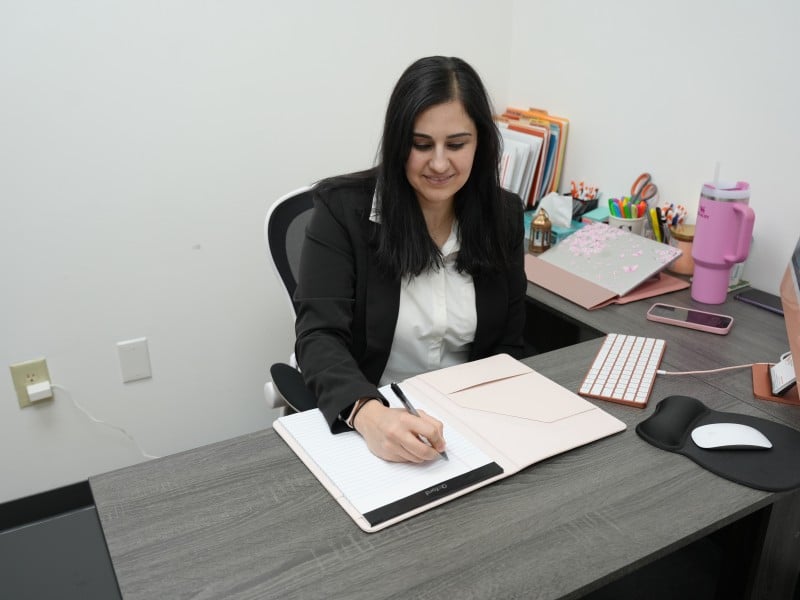
“The work has become three times harder”
We speak to pro bono immigration attorney Serene Hawasli-Kashlan, legal director of Asian Americans Advancing Justice–Atlanta, about what it’s like to do her job right now.
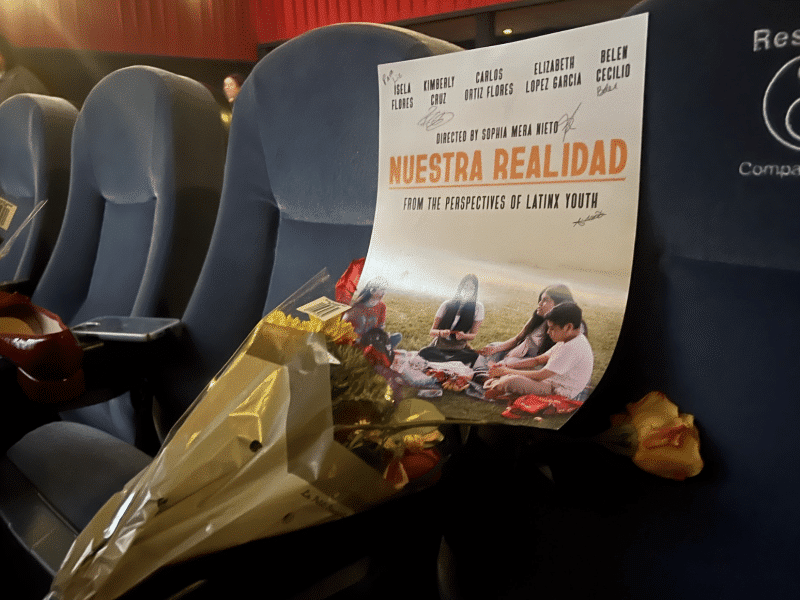
“We did it”: Latinx student film Nuestra Realidad makes its cinematic debut at Tara Theatre
“We’re really taking up the space and not only just taking it, but we’re adding to it.”