
On Saturday in Tucker, No Kings protesters expressed solidarity with immigrants—though immigrants were scarcely present
“We have a lot less people of color protesting because I feel like they’re afraid,” said one attendee, a U.S. citizen.
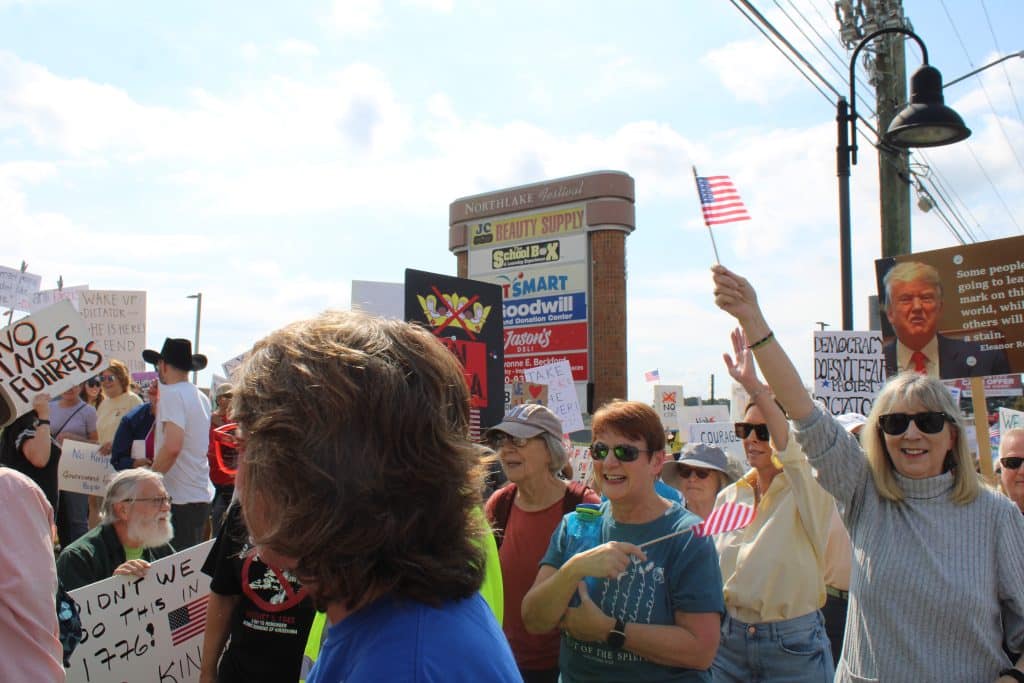
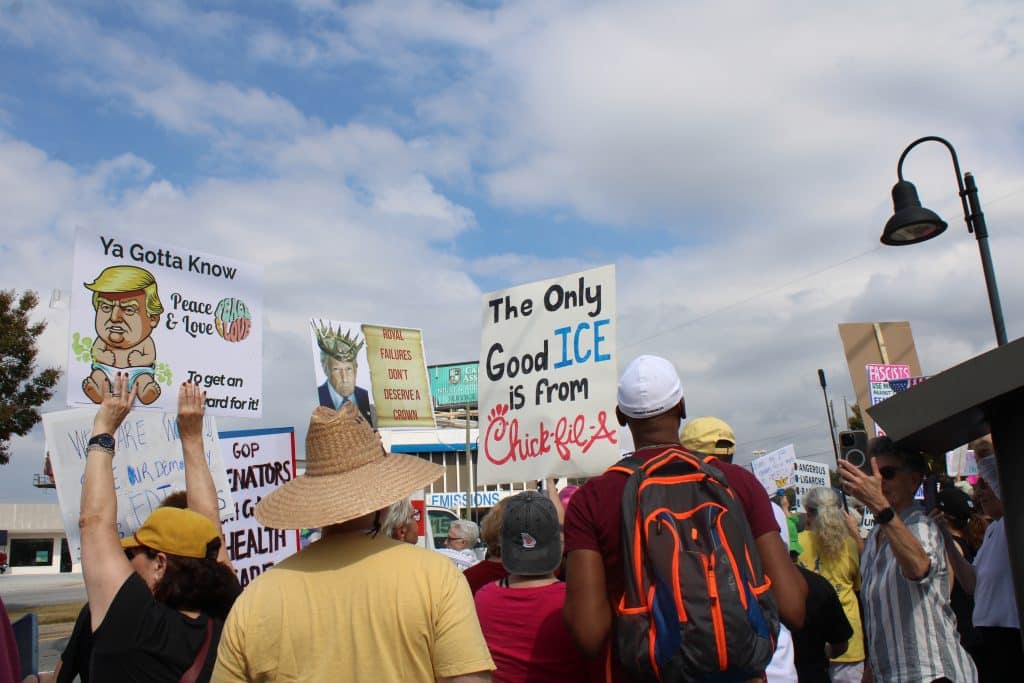
Joining No Kings protests across the metro area, including in downtown Atlanta, Smyrna, and Marietta, hundreds gathered at the Northlake Festival Shopping Center in Tucker on Saturday afternoon and marched along Lavista Road. Many of the protestors were elderly white residents of the area—a notable change from June, when journalist Mario Guevara was arrested at a similar protest in the area and subsequently deported back to El Salvador.
“We have a lot less people of color protesting because I feel like they’re afraid,” said one Lilburn resident, who had been part of the June protests, and whose parents immigrated from China and Korea. “You have U.S. citizens who are being kidnapped. They are not being arrested, they’re being illegally kidnapped,” she continued, referring to the increase in ICE arrests and detentions of people of varying immigration statuses. “My husband feels nervous about me coming out sometimes, and I’m a citizen.”
At the shopping center, Congressman Hank Johnson addressed the crowd in front of a Goodwill outlet. “You being here is so important to let the guy who is trying to be king know that there is no king,” said Rep. Johnson, who represents parts of DeKalb and Gwinnett counties with large immigrant populations.
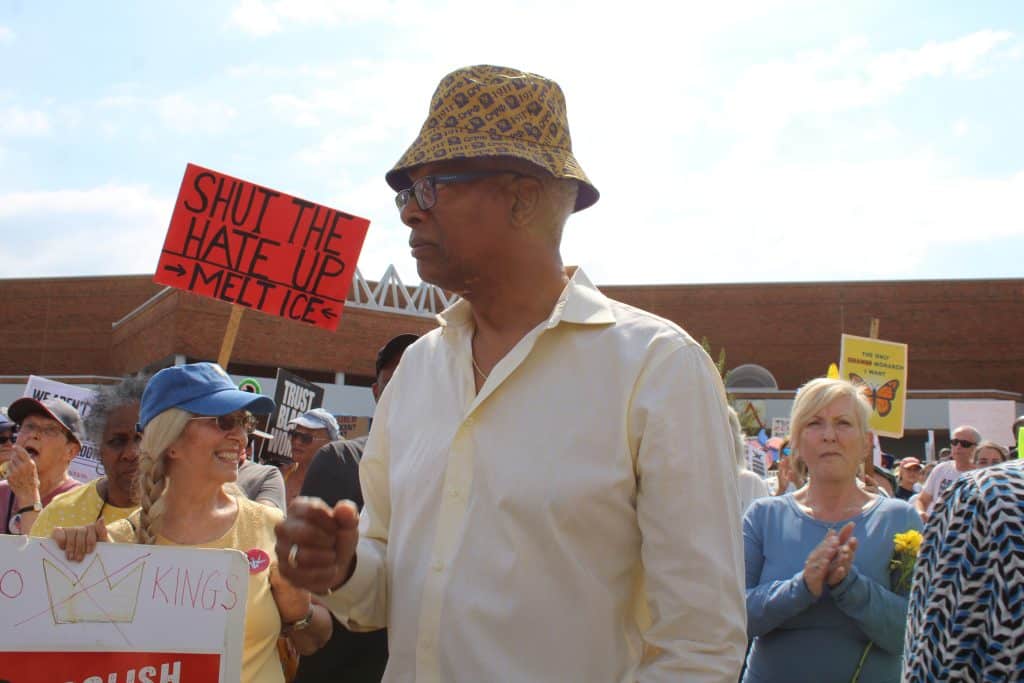
Following speeches by Rep. Johnson and others, hundreds of protesters marched in the direct sun, through the strip mall and along a sidewalk on Lavista Road, passing the I-285 overpass, eventually crossing the street, and looping back around. At least a dozen DeKalb County police cars lined one side of the strip mall parking lot facing Lavista Road. The protests were peaceful, with protesters sometimes even marching single file, staying well within the bounds of the sidewalk.
Dennis Creach, who lives just outside of Tucker, said his family came to the U.S. from Europe over 200 years ago. “We forget,” he said, that so many Americans came to the U.S. as immigrants. Immigration is “a human rights issue, it’s also an economic issue. Our economy is flourishing because of immigration from all over the world,” he continued. But “people are shortsighted and racist.”
Another woman, who migrated to the U.S. in 1983 from El Salvador, watched the protest from the side of the road, waving a small U.S. flag. She said seeing the crowds makes her feel “hay apoyo”—there is support, among the American people, for immigrants.
Author

Related Articles

“No more discussion about ICE will be permitted”
Inside the Dekalb County School Middle School advisory meeting that shut down concerns over ICE
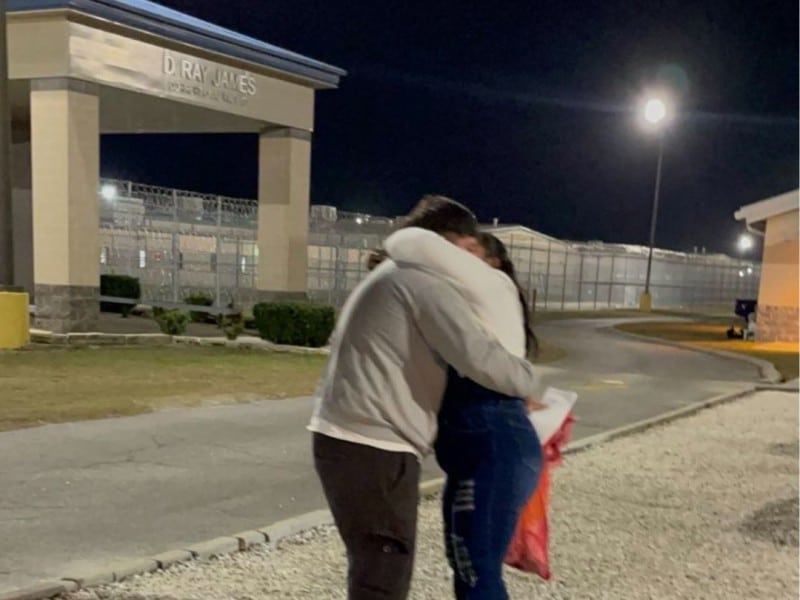
“There’s three people that are free”: More than 3 months since the Hyundai raid, immigrant rights group secures release of workers
Still, legal support is needed to support several of the workers who are detained at the Folkston ICE Processing Center.
Specific ways you can support Atlanta’s immigrant and refugee communities right now
We’ve been gathering information about what concerned folks can do to support immigrant and refugee communities.