
One of the only local sources for the pillowy Bosnian flatbread lepinja, Lawrenceville’s Grand Prix Bakery keeps very busy
The longtime family-owned business bakes bread for restaurants and groceries all over the Atlanta metro
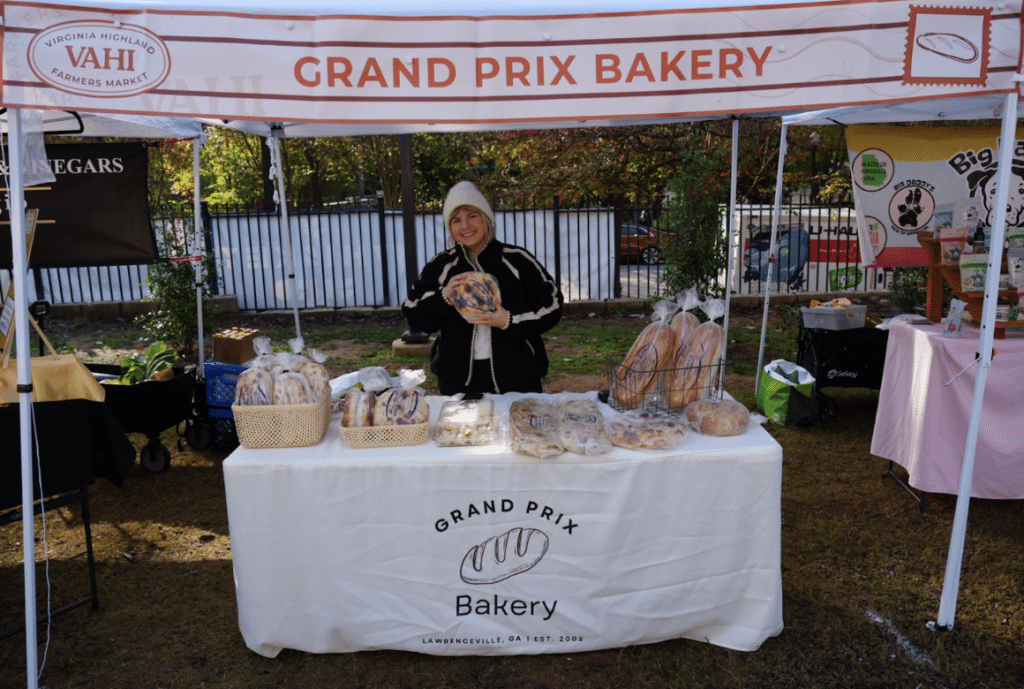
On a chilly, sunny Sunday morning, Inera Isovic is selling bread at the Virginia Highland Farmers Market, and selling it fast. Every couple minutes, a customer stops by for a loaf of the pillowy Bosnian flatbread lepinja—the specialty of the family business, Grand Prix Bakery, that Inera’s father founded in Lawrenceville in 2002.
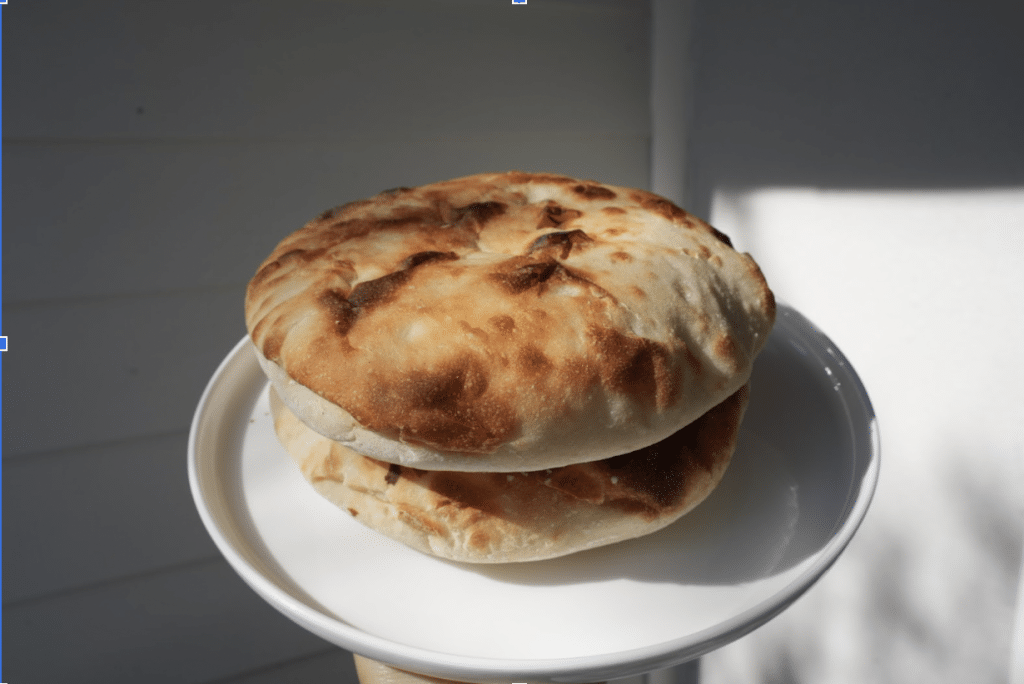
Similar to pita but softer and thicker, with an almost creamy texture, lepinja doesn’t require any special ingredients—it’s primarily white flour and yeast. But, Inera explains, it’s shaped by hand and cooked quickly at a high temperature, rising to a lofty height in the oven while forming a “pocket” that can envelop other foods. In Bosnia, lepinja is traditionally the bread that holds cevapi—minced meat that’s formed into a sausage shape, grilled, then topped with condiments like the roasted-pepper and eggplant spread ajvar and creamy kajmak cheese.
“In Bosnia, bread is a really big deal,” Inera says. “It’s nice to bring that into the community here.” Grand Prix offers bread not just in pita-size circles but in a variety of shapes, including long oval loaves, selling much of it to wholesale customers and specialty stores like Bakkal International Foods in Sandy Springs and Al Madina Halal Market & Restaurant in Norcross. Raso Isovic, Inera’s father, keeps busy: With just five employees, Grand Prix can produce a thousand loaves or more on weekend days.
Sixty-two years old and born in Yugoslavia, Raso left the region during the conflicts of the 1990s, Inera said, landing first in Germany before moving to the Atlanta area, where his children were born. Bosnians coming to Atlanta in that decade were often relocated to Clarkston by refugee agencies before spreading throughout the metro, said Abamn Crbonja, president of the Community of Bosniaks Georgia, a cultural organization whose mission is to promote Bosniak heritage. (“Bosniak” is typically used to refer to Bosnian Muslims.)
After a while in Clarkston, Raso and his family moved out to Lawrenceville, which today is home to a number of Bosnian-owned food businesses: not just Grand Prix but the combined grocery and restaurant Bosnian Mart and Euro Gourmet Foods, the butcher shop Stella Mart, and another bakery called Fejic Euro.
When Inera and her brother were children, they hung around Grand Prix on weekends to spend time with their dad. When there was no sitter to take care of them, they’d join Raso on his delivery route. Today, both continue to pitch in: “My brother and I are just there to support my dad and support the family however we can,” says Inera, who’s now 32. Inera works several farmers’ markets during the fall, while her brother, Amer, pitches in during the summer at the Snellville Farmers Market.
But as the demand attests, Grand Prix’s breads have proved popular beyond farmers’ markets and Bosnian businesses. You’ll also find them served in Turkish restaurants, Persian bakeries, and other local spots. And once, Inera adds, even an Irish restaurant that used Grand Prix’s lepinja as a burger bun: “People always need bread—that’s something my dad says.”
Author

Related Articles
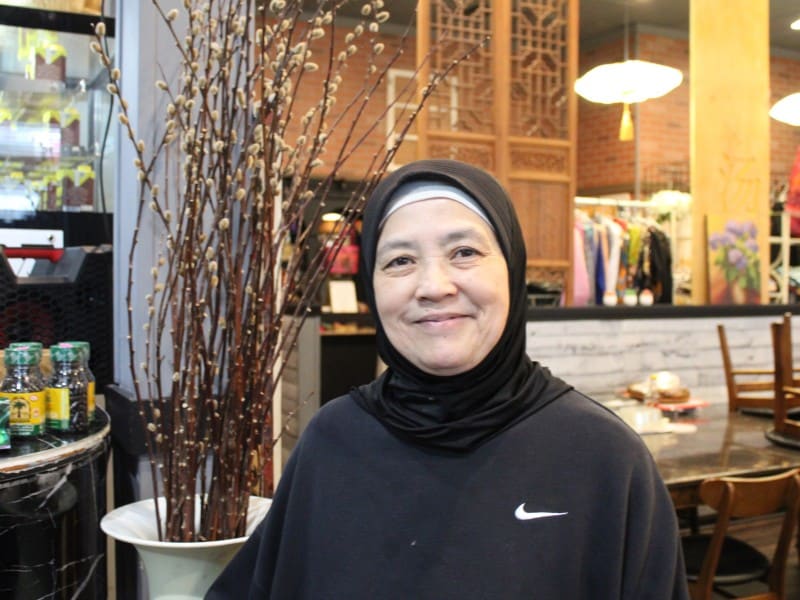
Ibu’s Kitchen gets back to the basics: “Food makes people happy.”
At this “one-stop shop” on Buford Highway, customers can find Indonesian groceries, Batik clothes, homestyle meals, and an unwavering commitment to values.
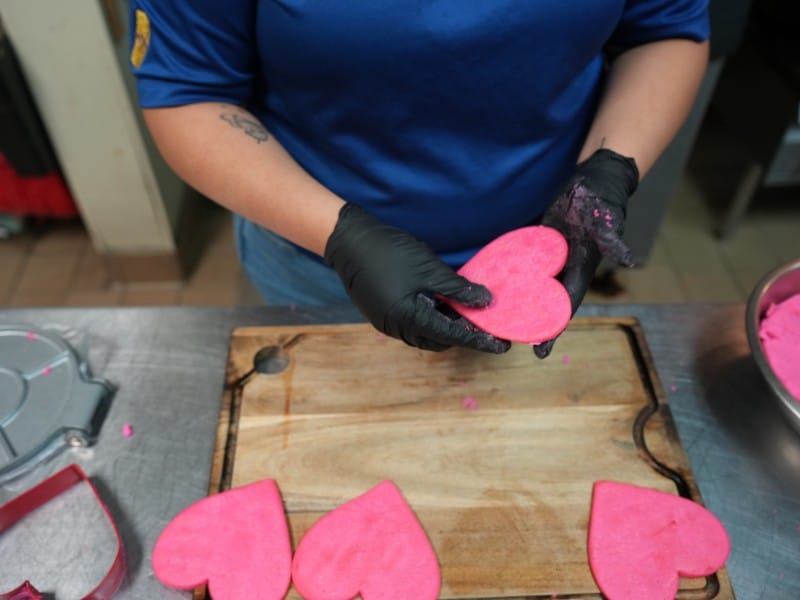
At La Mixteca Tamale House, colorful masa creations celebrate Valentine’s Day—and honor a mother’s memory
Born in Oaxaca, Rosa Lucia Hernandez launched a tamale business in 2018 to fulfill a longtime dream. After her death, Rosa’s children are keeping that dream alive.
“Everybody has a ‘Raani’ in their house”
At Raani Coffee on Moreland Avenue, Praveena Sundarraj honors South India’s coffee traditions—and builds a new kind of “third space” for coffee aficionados and their parents