
OPINION: They say your vote is your voice. But where does that leave undocumented people?
Every time the U.S. elects a president, immigration becomes a hot issue. But with meaningful policy change nowhere in sight, we are left to forge our own paths.
The author of this article is not sharing her identity out of fear of repercussions.
When I was 16, my mother told me I was undocumented. With this discovery, I realized how much my status would affect all aspects of my life—getting a job without a social security number, getting around without a driver’s license, and even getting into college in Georgia, where state law makes it difficult for undocumented folks to access higher education. But it’s during election seasons, and especially presidential elections—when so much time, energy, and resources are poured into getting out the vote—when I feel most like an outcast.
Undocumented people can’t vote in American elections. Yet we and other immigrants watch our issues—our people—tossed around by those with few ties to our communities. That’s especially true this year when Donald Trump, having launched his 2016 presidential bid with racist anti-immigrant rhetoric, has ratcheted up the attacks, promising mass deportations and inciting violence against immigrants in places like Springfield, Ohio. Democrats are also campaigning on increased “border security,” while gesturing toward reforming the immigration system. The dynamic is familiar; once again, undocumented people are being talked about but rarely heard.
“Undocumented people can’t vote in American elections. Yet we and other immigrants watch our issues—our people—tossed around by those with few ties to our communities.”
I became aware of this even before I learned I was undocumented. As a third grader, I remember watching the 2004 presidential contest between George W. Bush and John Kerry play out against a political and cultural backdrop where immigrants were treated as threats or punch lines. Because this was the first presidential election following the September 11 attacks, I remember feeling a heightened sense of prejudice against those of us who were different, who weren’t white, Christian, and fluent in English—we were considered a menace, or at the very least a problem. I remember watching channels like Comedy Central and movies like Spanglish, where immigrants were stereotyped as cleaning ladies or gardeners with broken English. On the news, I heard newscasters and guests describe us with words like criminal and narco.
I was in seventh grade during the next election and was hopeful when Barack Obama won it, in part because of his stance on immigration issues. It was during Obama’s second term that I learned about my undocumented status, and I thought his administration might offer my family and me an opportunity to gain citizenship. But that didn’t happen. In 2012, the Obama administration introduced Deferred Action for Childhood Arrivals (DACA), a policy that gave protection to undocumented people brought to the U.S. by their parents as children—just a small portion of the total undocumented population in the U.S. So, while my siblings and I would be DACA-eligible, our parents would not have been. We would have had some protection from being deported, but our parents would still have to live with that fear.
“It was during Obama’s second term that I learned about my undocumented status, and I thought his administration might offer my family and me an opportunity to gain citizenship. But that didn’t happen. ”
Today, only about 530,000 people are protected under DACA, out of an estimated 11 million undocumented people in the U.S. Even this protected status is in limbo. After attempts to end DACA by the Trump administration, and subsequent attempts to revive it under Biden, the policy is tied up in legal proceedings and may wind up—again—at the Supreme Court.
In 2015, I started seeing videos pop up on my news feed showing voters avowing their support for Trump because he would “protect” Americans from “rapists” coming in from Mexico. I felt heartbroken but mostly misunderstood. I was invested in how his supporters viewed my people—I found it worrisome how Trump supporters believed we were the reason America had become, in their view, unsafe and unlivable. Many of them didn’t know, or chose not to understand, that most of us were brought to this country at a young age by parents convinced they could achieve the American Dream.
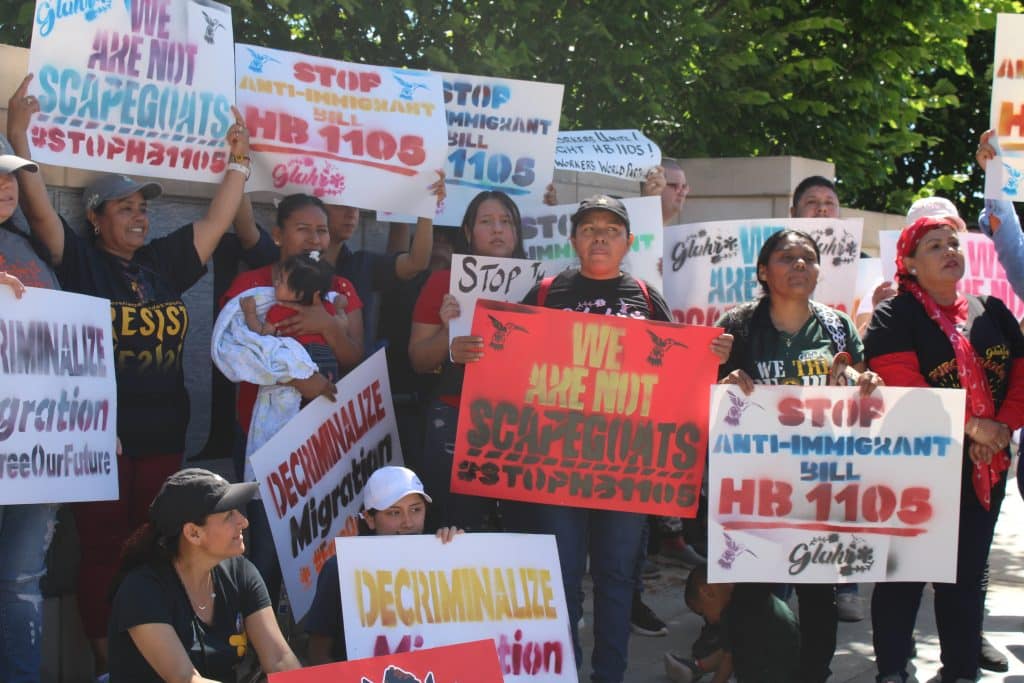
While earlier Republicans, like George W. Bush, had signaled a willingness to compromise on immigration, Trump’s ascendency introduced a new wave of hatred toward immigrants that I still feel today, almost ten years later. Recently, for instance, Georgia’s Republican leadership passed HB1105, a bill requiring local sheriffs to report the immigration status of those in their custody to federal officials—which spread fear of deportation through many local communities.
This year, it seems neither presidential candidate is trying to support the undocumented community. On her website, Kamala Harris articulates a whole strategy for a “secure border”—including the continuation of Joe Biden’s asylum restrictions—but offers few specifics on fixing the broken immigration system. Trump promises to stop the migrant “invasion” and conduct the “largest deportation program in American history.”
Once it became clear that these were the two choices this fall, I realized I was okay with not having the right to vote.
But I’ve also realized something else: I don’t need a candidate promising residency or citizenship for me or my community to feel validated or heard. We have gotten through life with some help from politicians—but mostly without it. I have been living as an undocumented person in America for 22 years, and what’s clear to me is that the real folks who have my back are not some 50-plus-year-olds claiming that voting for them will transform America. I’ve made it this far because of my family’s support and the support of communities I’ve found.
“I have been living as an undocumented person in America for 22 years, and what’s clear to me is that the real folks who have my back are not some 50-plus-year-olds claiming that voting for them will transform America. I’ve made it this far because of my family’s support and the support of communities I’ve found.”
I received an education at Freedom University, a modern-day freedom school inspired by the civil rights movement. I learned about universal rights—including the right to higher education, regardless of immigration status. While attending Freedom University, I had the opportunity to march alongside the Coalition of Immokalee Workers, which protests for better conditions and higher pay for (mostly undocumented) workers. That organizing has led to real change in their lives: The CIW has pushed corporations like Burger King to join the CIW to improve conditions for farmworkers harvesting tomatoes. And thanks to the popular education program Escuelitas, sponsored by the Buford Highway People’s Hub and Los Vecinos de Buford Highway, I facilitate trainings and help educate and empower people in my community. After HB1105 passed, we collaborated with the Georgia Latino Alliance for Human Rights to make sure people understood the new law and were aware of their rights.
As I’ve gotten older, I’m realizing more and more that political power isn’t entirely dependent on voting. Rather, it comes from building networks of solidarity that allow us to help others, and ourselves. Now that it’s election season again, I know something that my eight-year-old self didn’t: I don’t need validation from a politician to tell me that I can make it in America. I already have.
Related Articles
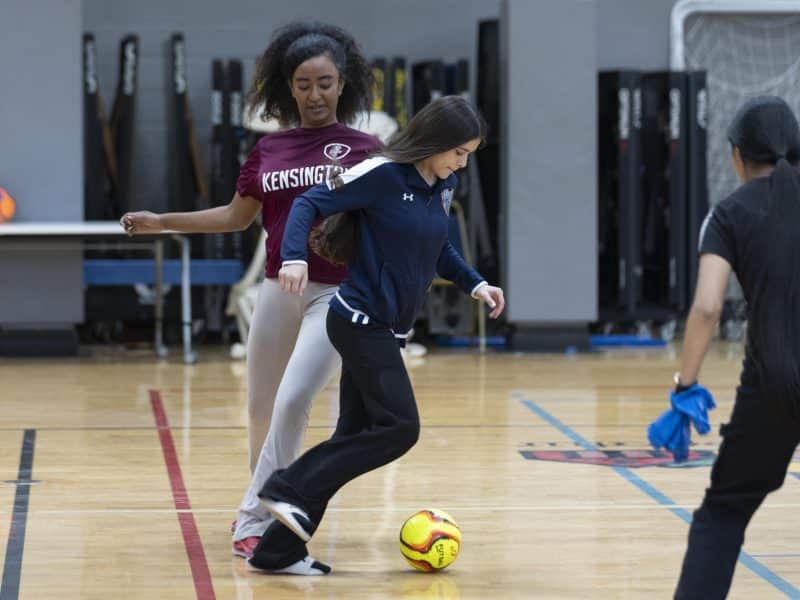
“They’re free to be kids here”
On a makeshift soccer pitch in a Decatur gym, middle schoolers from countries including Afghanistan, Congo, and Sudan speak a shared language (with a little trash talk mixed in).
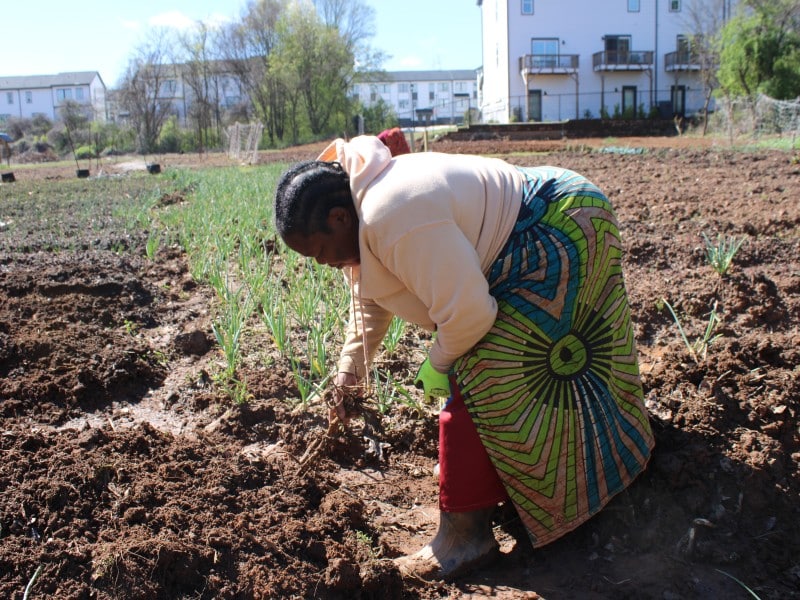
Spring has sprung—and for one Burundian farmer, that means it’s time to get back to the garden
This year, gardeners from the nonprofit Global Growers Network are combating food insecurity by harvesting produce for local food banks.
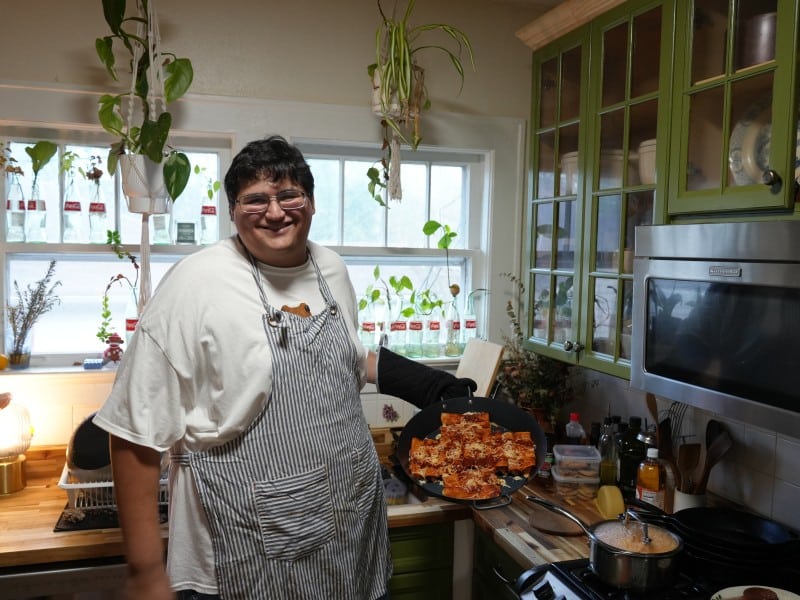
Andres Carrillo, founder of the pop-up Cocina Pachuco, is using his cuisine to fundraise for immigrants in detention
Born and raised in El Paso, the recently arrived chef is strengthening ties with his new home. One way he’s doing that: supporting the state’s immigrant communities.