
“The birds are flying free”: Pain and healing at an ofrenda for Dia De Los Muertos
At Oakland Cemetery on Sunday, a remembrance of those who died while in ICE custody
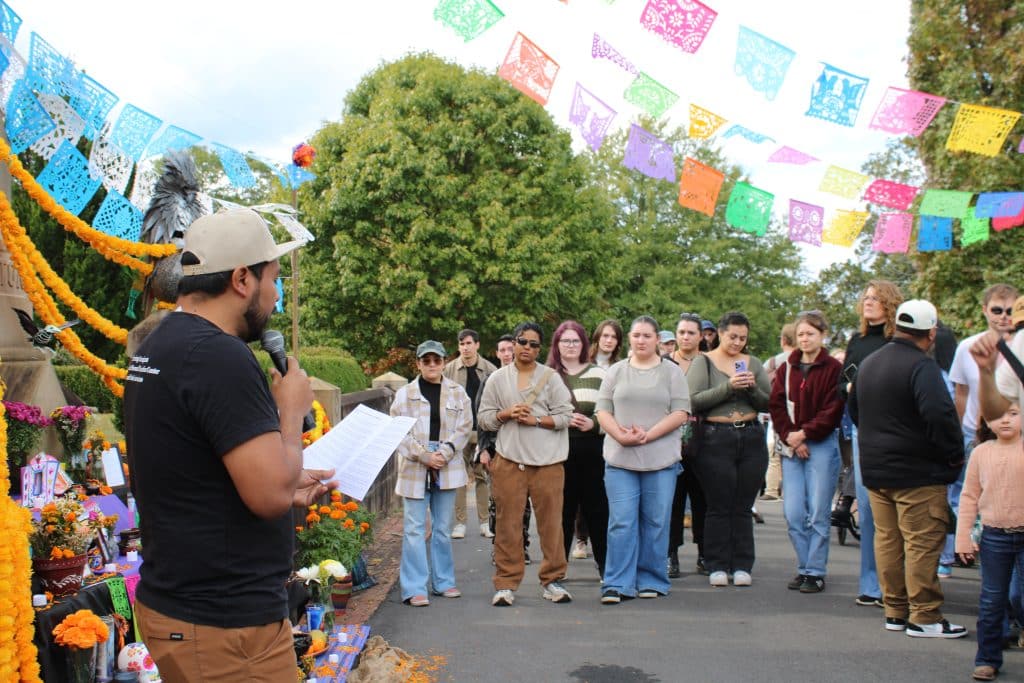
On Sunday afternoon in Oakland Cemetery, Amilcar Valencia stood beside an ofrenda while his wife held a microphone in front of him and dozens watched. Strumming his guitar, Amilcar sang a ballad by the artist Francisco Herrera: “Yo traigo flores a esta tierra / Traigo frescura y cosas bellas.” I bring flowers to this land / I bring freshness and beautiful things.
“This is the first time actually that I bring my guitar,” said Amilcar, who’s the executive director of El Refugio, a nonprofit that supports the loved ones of those being held at Stewart Detention Center in Lumpkin. He was one of hundreds who came out on an overcast Sunday for the cemetery’s annual Dia de los Muertos festival, sponsored by the Consulate General of Mexico and the Institute of Mexican Culture. Falling on November 2, the Day of the Dead is a Mexican observance, rooted in Indigenous and Catholic tradition, to honor the deceased—often with ofrendas, or altars, built in their memory.
This was Amilcar’s fourth year coming to the cemetery for the festival and setting up an ofrenda for people who died while in ICE custody. The song that he chose honored the lives lost, he said, but—at a time when his job is only becoming more difficult—it was also a source of comfort. “I feel that we do this in a way to heal ourselves, too,” he said. “As I honor them, I hope that that’s also an opportunity for me to heal.”
Finishing the song, he began to read the names of 18 people who have died in the custody of U.S. Immigration and Customs Enforcement (ICE) in Georgia over the past two decades. After each name, the crowd said, in unison, Presente—a tradition in some Latin American communities to invoke the presence of the person who died.
“The sad thing is that we’re adding names and pictures every year,” Amilcar said. “The first time it was, you know, about 11 people.” Most of the deaths, he said, were from improper medical attention. Three were by suicide.
More detainees have died in ICE custody in 2025 than in any year since 2004, according to the American Immigration Council—at least 23 people this year. The most recent recorded in Georgia was 45-year-old Jesus Molina Veya, who died by suicide at Stewart Detention Center in June. Stewart, like ICE facilities around the country, has been dogged by accusations of overcrowding and poor care for detainees, particularly as arrests of immigrants have surged under the Trump administration. “When you have this many people in a system that doesn’t provide any attention to people, unfortunately, more fatalities happen,” Amilcar said.
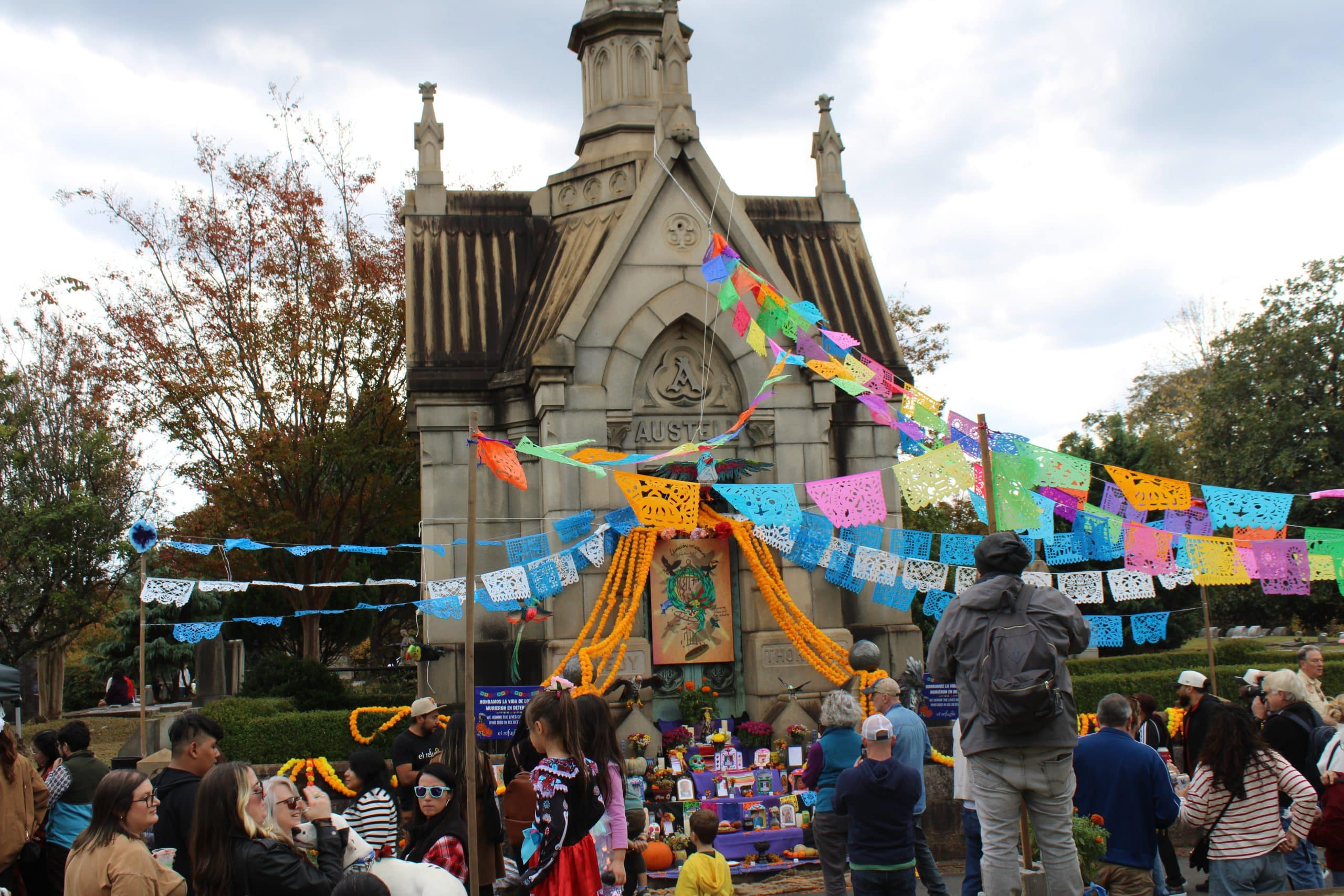
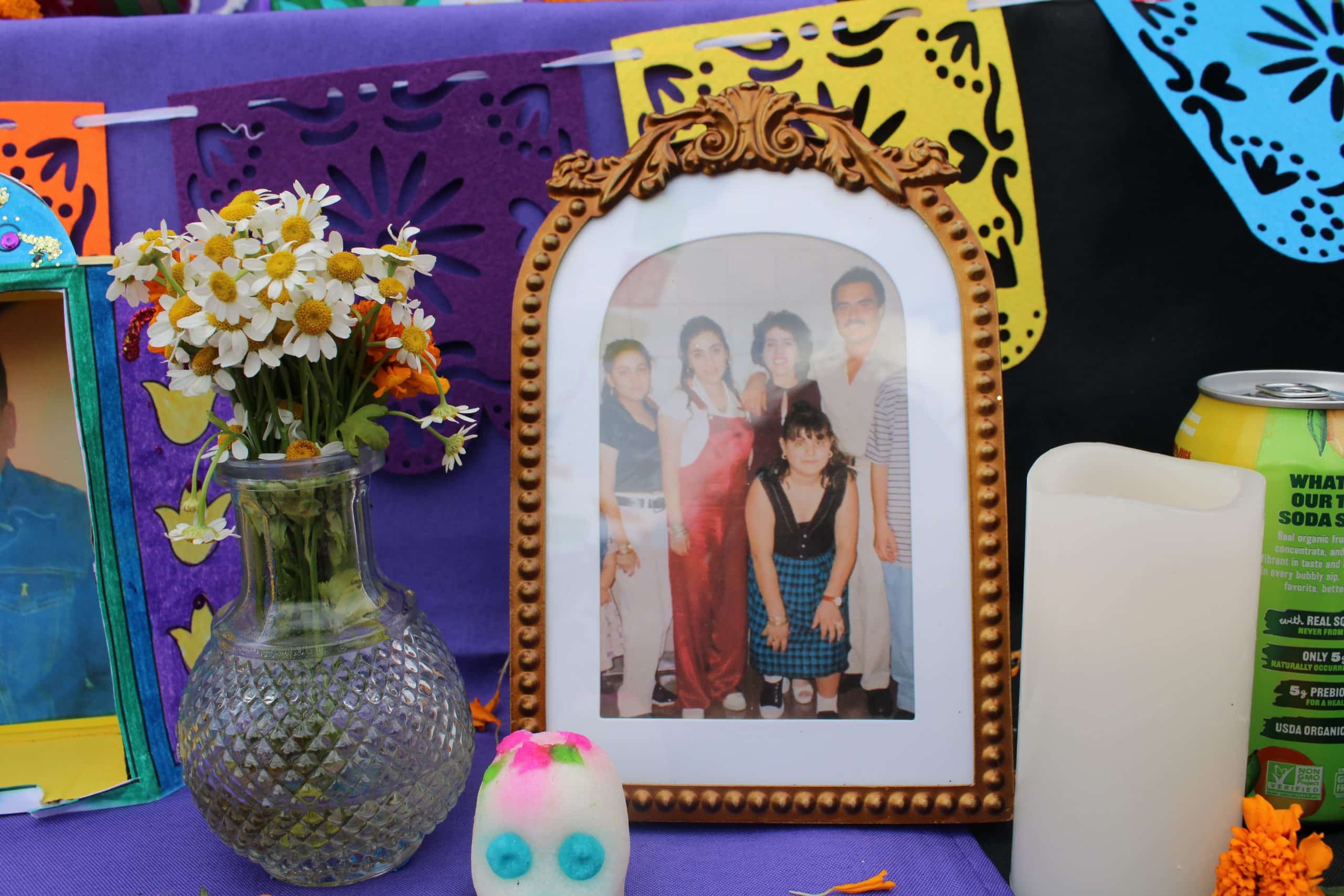
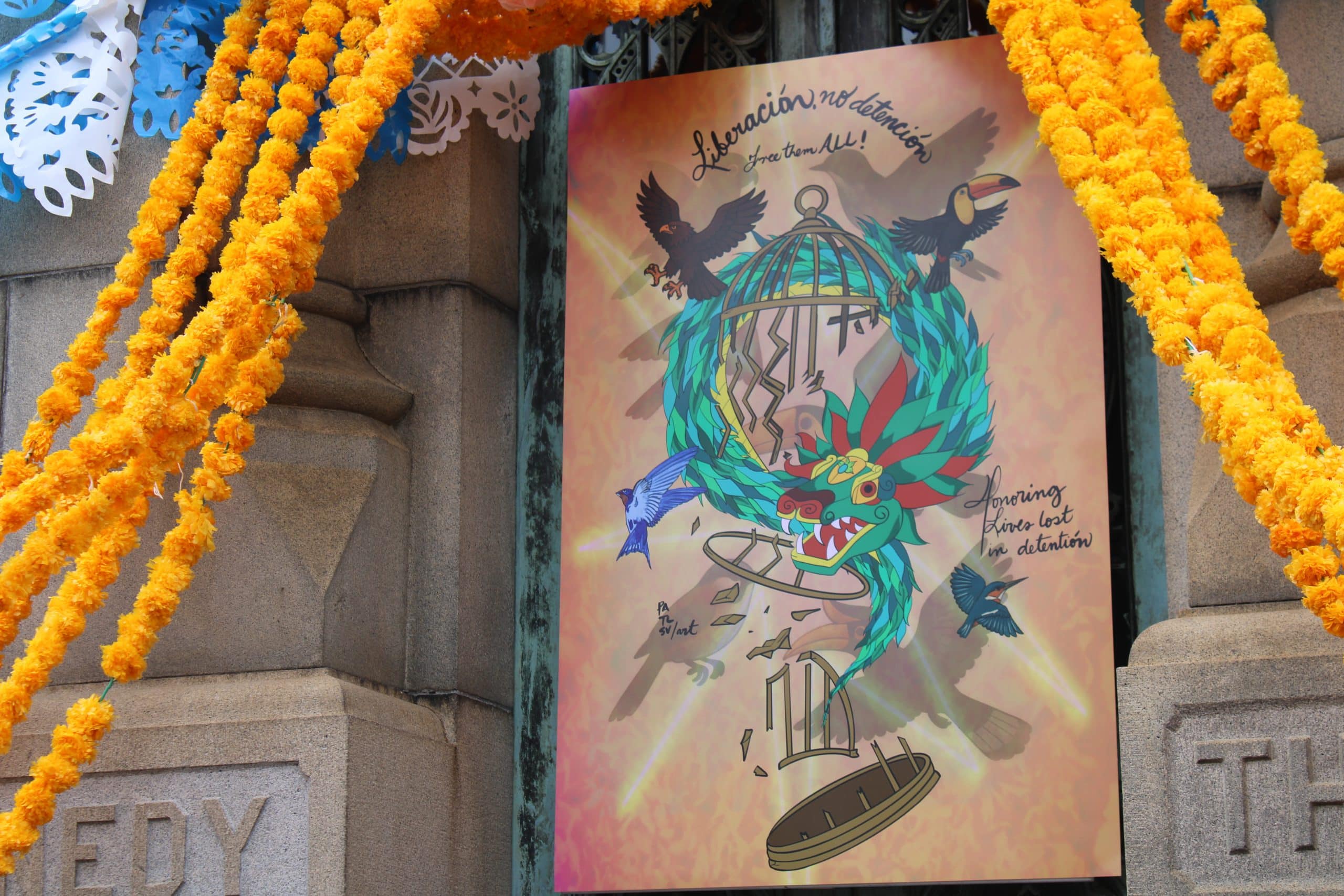
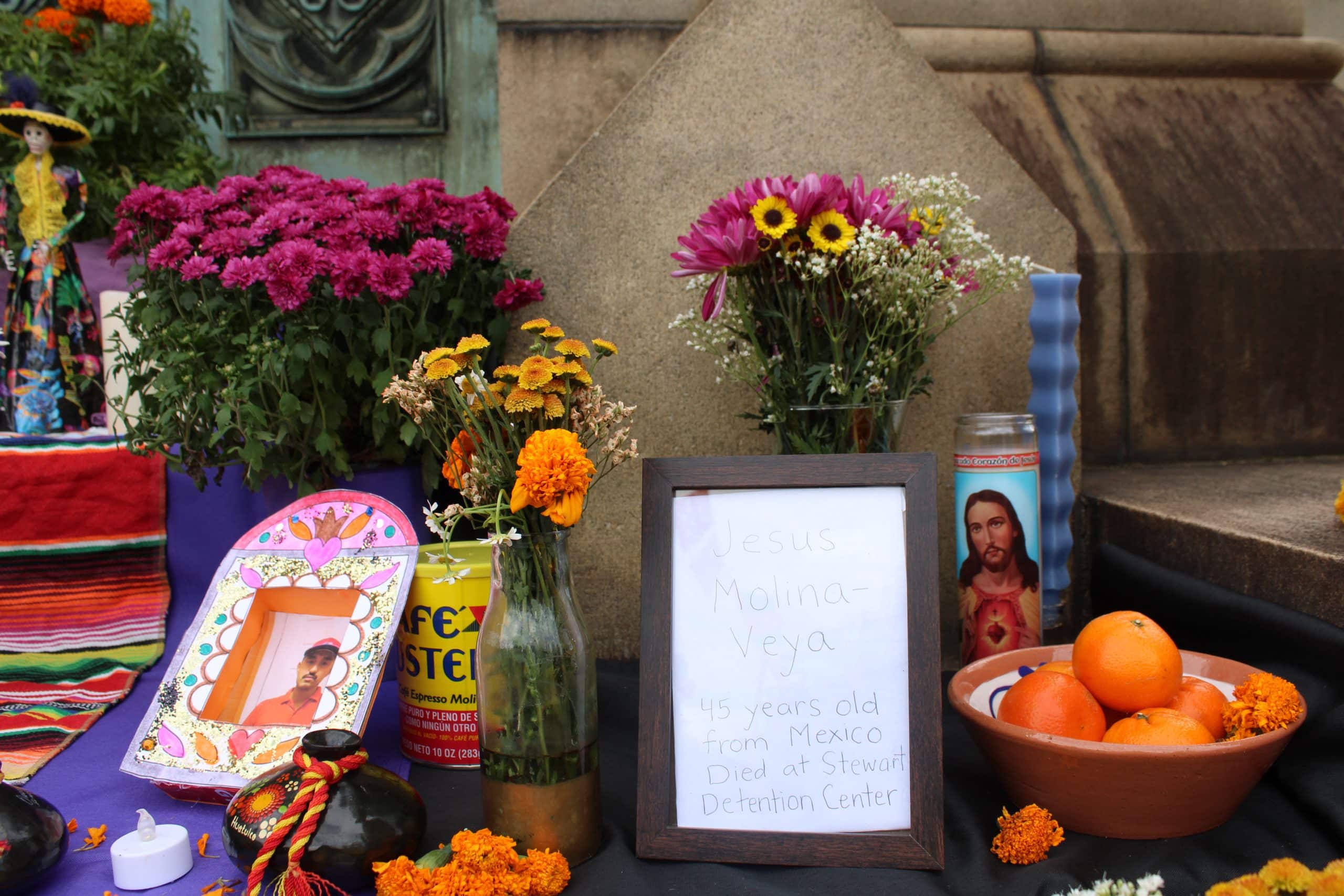
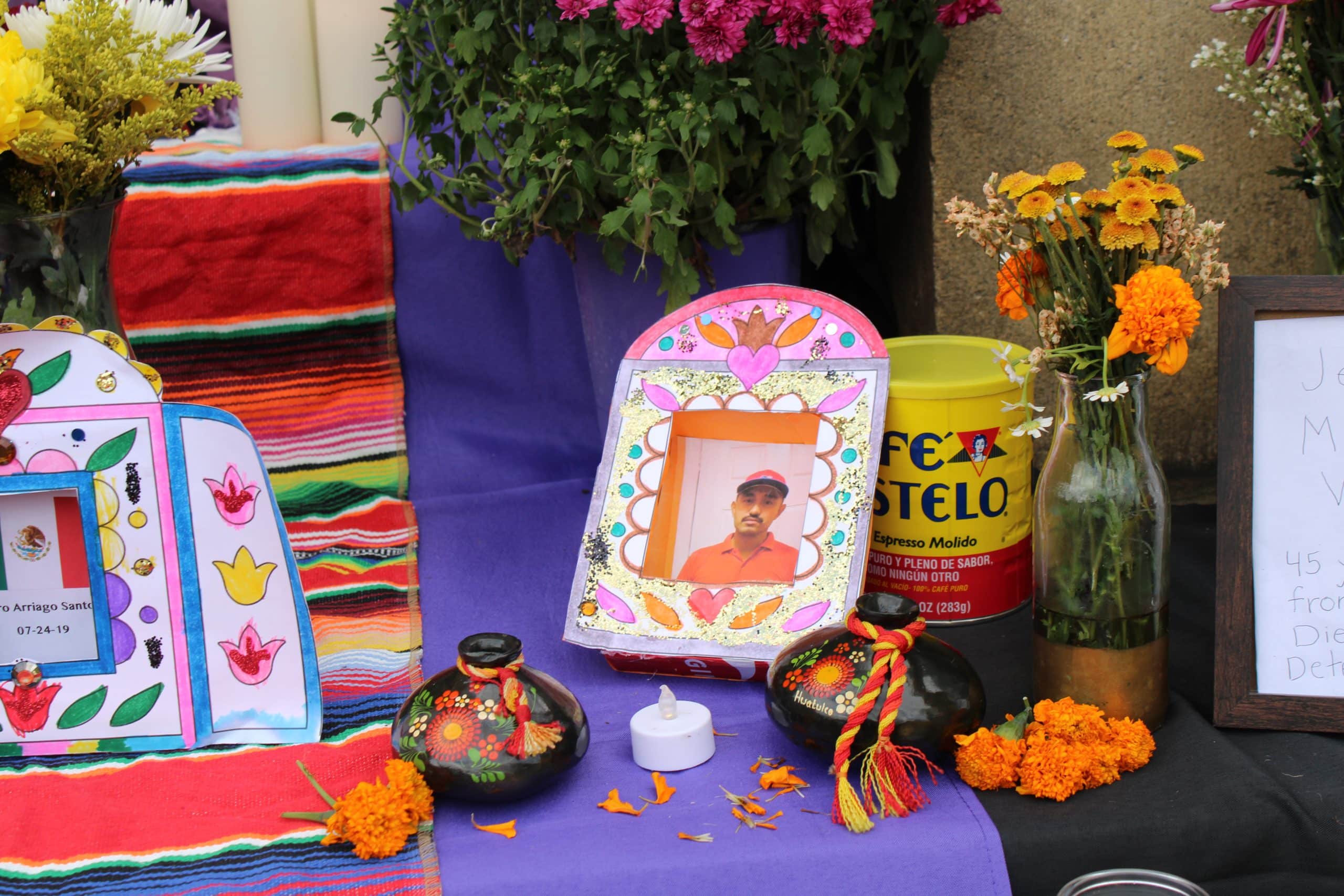
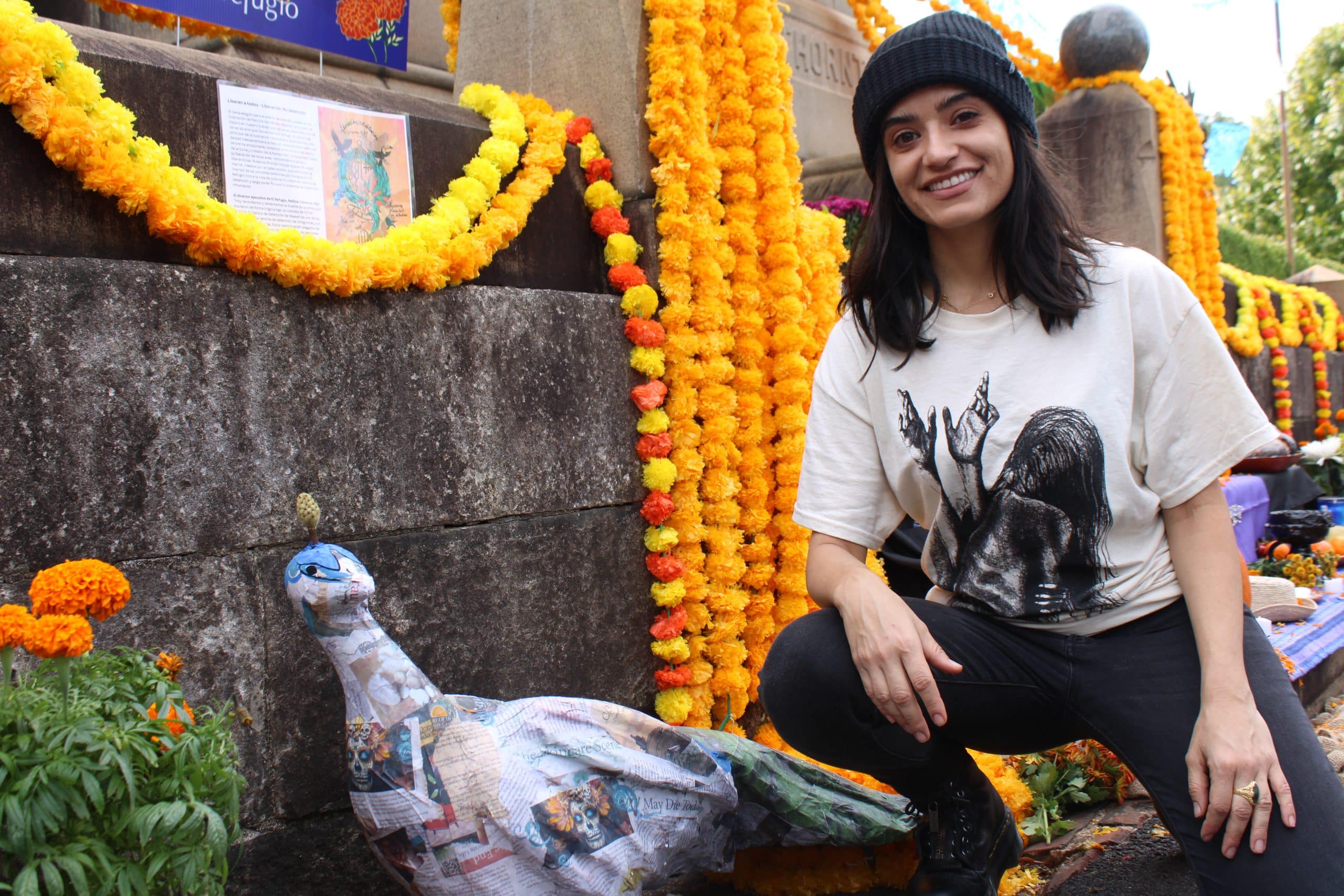
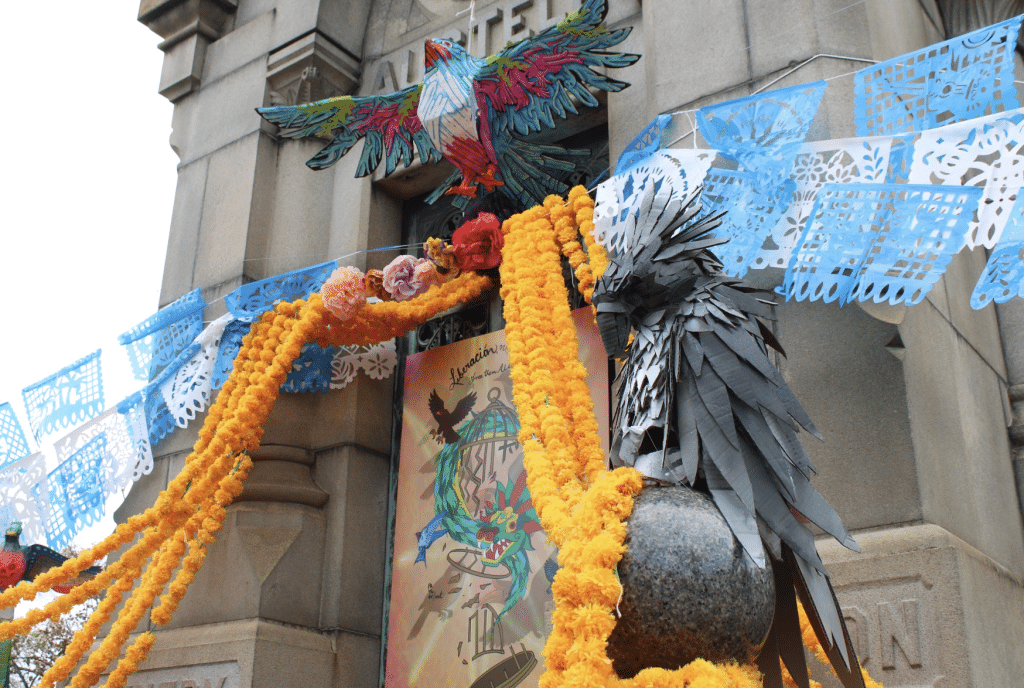
Amilcar and his wife came to the cemetery on Saturday to start setting up the altar. At its center was a painting by a local artist that depicted a feathered snake—symbolizing the duality of heaven and earth—freeing birds from their cages; each bird represented the country of origin for somebody who’d died in ICE custody. One bird, a peacock, was for two men from India: 58-year-old Atul Kumar Babubhai, who died after being held at Atlanta City Detention Center in 2017, and 57-year-old Jaspal Singh, who had been held at the Folkston ICE Processing Center and died in 2024.
Local artist Paula Sinisterra, who made the papier-mâché peacock, stood in front of the ofrenda listening as Amilcar read out the names. “I felt a sense of catharsis as I was making it,” she said. The back of the bird, she pointed out, contained the phrase “I May Die Today.”
“That, for me, is an invitation for all of us to reflect on the fact that it could be us,” she said. “We hear these tragic stories of inhumane things happening to other people. It can be easy to think these bad things are only going to happen to other people. But it could be any of us.” The ofrenda, she continued, was an invitation “for us all to reflect on it like we’re all part of this together.”
Amilcar pointed to the blue and white banners hanging from the ofrenda. “The blue and white represent the sky,” he explained. “So, the birds are flying free.”
Author

Related Articles

“No more discussion about ICE will be permitted”
Inside the Dekalb County School Middle School advisory meeting that shut down concerns over ICE
“There’s three people that are free”: More than 3 months since the Hyundai raid, immigrant rights group secures release of workers
Still, legal support is needed to support several of the workers who are detained at the Folkston ICE Processing Center.
Specific ways you can support Atlanta’s immigrant and refugee communities right now
We’ve been gathering information about what concerned folks can do to support immigrant and refugee communities.