
“There’s three people that are free”: More than 3 months since the Hyundai raid, immigrant rights group secures release of workers
Still, legal support is needed to support several of the workers who are detained at the Folkston ICE Processing Center.
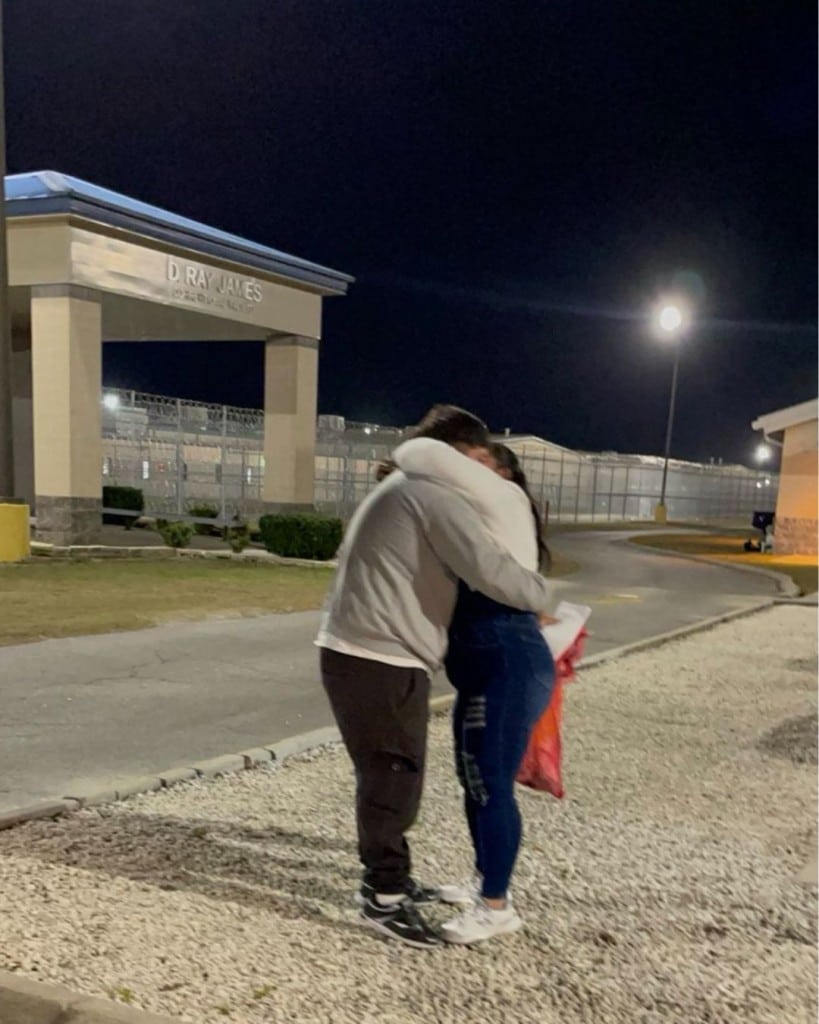
Around 9:10 a.m. on September 4, a hotline operated by Migrant Equity Southeast (MESE)—a nonprofit that advocates for workers’ rights in coastal Georgia—started blowing up. Officers from U.S. Immigration and Customs Enforcement (ICE) and other federal agencies were at a Hyundai electric vehicle plant under construction in Ellabell, about a half hour outside Savannah, conducting what would end up being the one of the largest workplace immigration raids in recent history.
“It was workers from inside,” Daniela Rodriguez, MESE’s executive director, recalled. “They will call us because they were freaking out.”
Since then, her life has been consumed by supporting the families of workers detained. At the end of the raid, some 475 workers had been detained. Roughly 300 were South Korean, many with valid B-1 visas, and around 125 were Hispanic, many with pending asylum cases. Most were sent to the Folkston ICE Processing Center, the closest immigration detention facility. The majority of the Korean workers were quickly sent back to South Korea on a chartered Korean Air jet. (Some South Korean workers have reportedly returned to the plant.)
Most of the Latinos, Daniela said, decided to self-deport by either signing documents without attorneys at the work site or after spending time in immigration detention, Daniela said. “Of all of the workers that we have been able to help, only a handful of them are still in detention, because a lot of them had to self-deport,” she said. “They couldn’t stay in the detention center and keep up with the conditions of the detention center, which is why they decided that they just didn’t want to wait and wait.”
MESE has been supporting about 10 people who decided they did want to fight their detention. Daniela said the organization connected them with pro bono attorneys or paid attorneys from private firms to represent them.
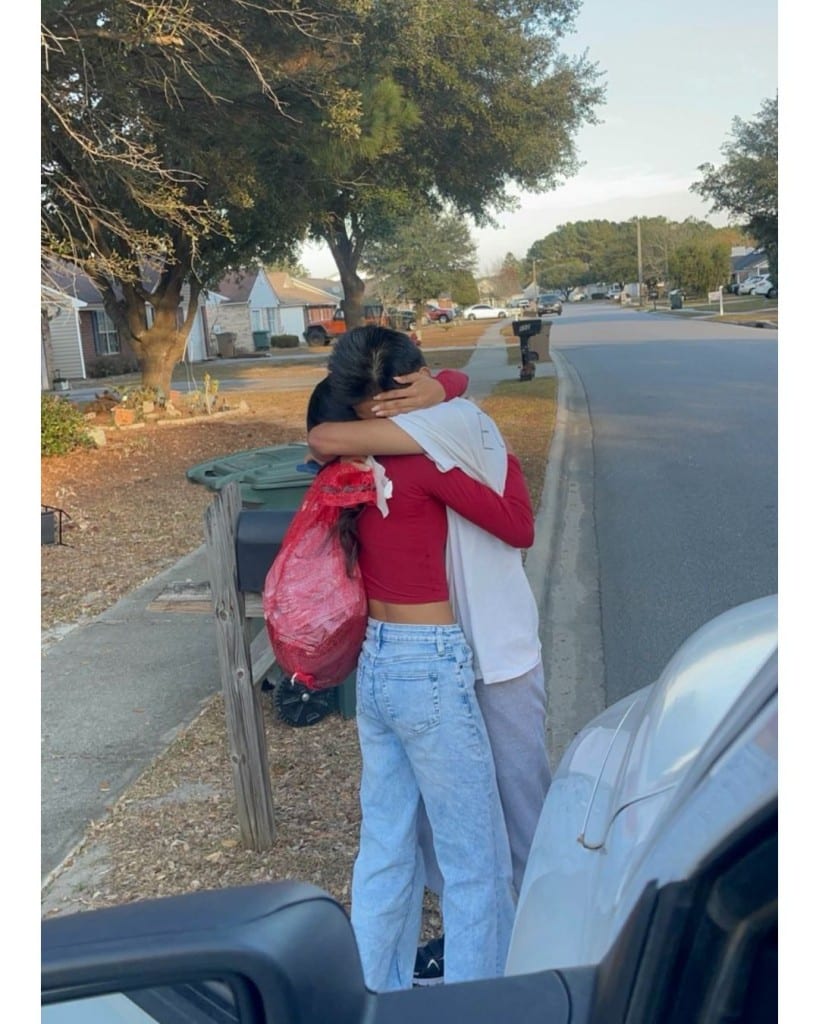
That legal advocacy made a difference: Three of the workers have been released. Two were Venezuelan and one was Ecuadorian; all had pending asylum claims—and families who depended on their incomes. “Some of them have been granted the ability to pay for bond, and we have helped the families to be able to navigate that process,” Daniela said. “And now there’s three people that are free.”
Additional assistance to the families
Within the first 48 hours after the raid, MESE supported at least 100 families with legal assistance, financial assistance, or guidance on how to get ahold of their loved ones, Daniela said. Some were Korean but about 90 percent of the families that called them were Hispanic, including Colombian, Ecuadorian, Guatemalan, Mexican, and Venezuelan.
One person who reached out was a young mother from Venezuela. “Her husband had been taken during the raid,” Daniela said. “They had an open asylum case, and since he was the main provider, now she was by herself, and she had to be the one to provide for her and her baby. So, for people like that, we had to help with rent assistance.”
Daniela said in the aftermath of the raid, the community in coastal Georgia—and people from all over the state—reached out to ask how they could support families, or simply to express their gratitude for keeping people informed on what was happening on the ground. “It was amazing to see that many people were like, ‘This doesn’t define the US. This doesn’t define America, and there’ more good people than bad people.’”
As they continue to navigate the legal battle with a handful of workers still in detention, Daniela is hoping the organization can raise enough money to help cover legal fees. “What happened on September 4 was devastating, there’s many people who haven’t fully recovered from it,” she said. “We want to believe that there’s more good people who understand that immigrants deserve to be treated with dignity and respect well.”
Author

Related Articles

“No more discussion about ICE will be permitted”
Inside the Dekalb County School Middle School advisory meeting that shut down concerns over ICE
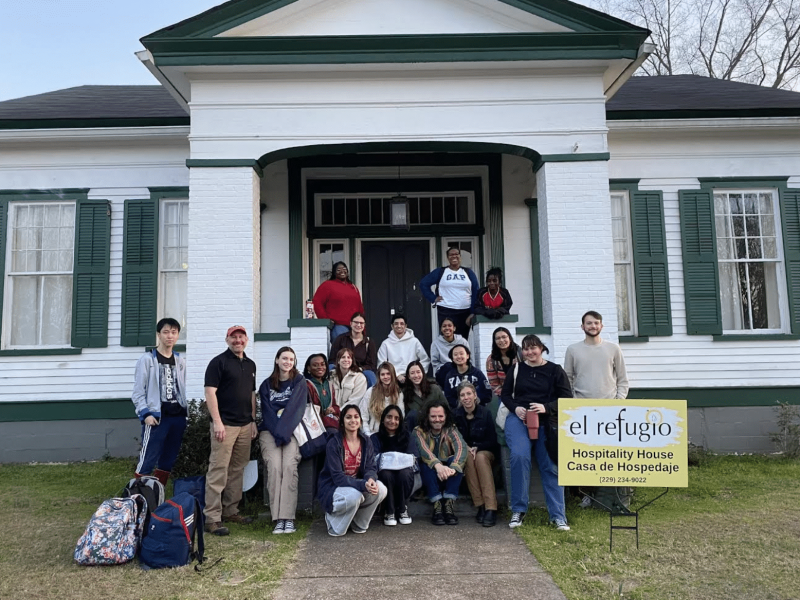
Specific ways you can support Atlanta’s immigrant and refugee communities right now
We’ve been gathering information about what concerned folks can do to support immigrant and refugee communities.
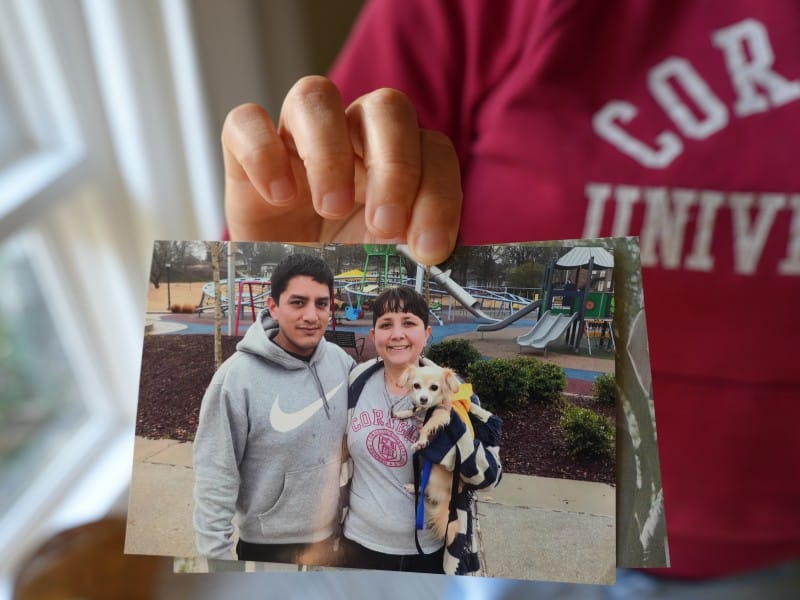
“I like the lifestyle we had”: Following an ICE detention and voluntary departure, an Atlanta couple spends the holidays apart
Arrested earlier this year during a routine traffic stop, Jorge realized that the best way to stay in the U.S. was to leave it—at least temporarily. Now he and Adalina are looking for a way to get him back.