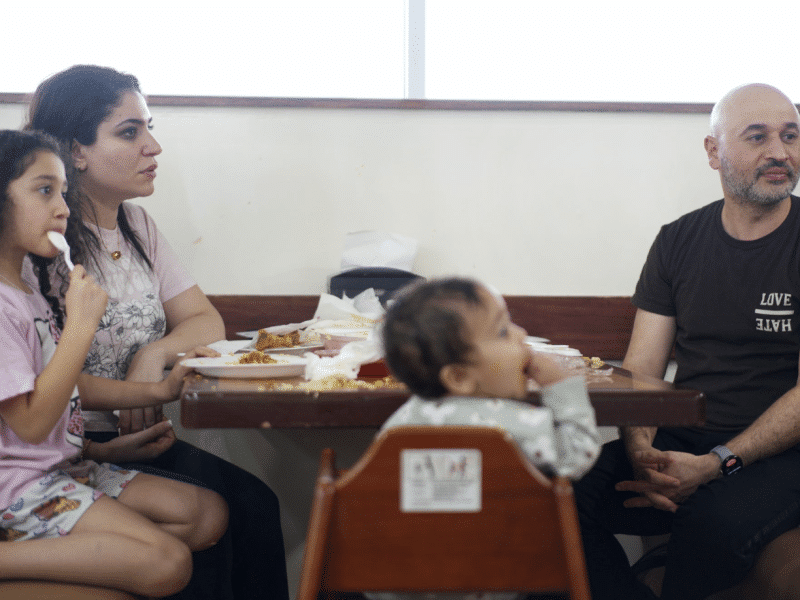
“I wanted to be what my community was missing”: Maria Villarreal seeks to be the therapist she needed as a child
Born in Mexico, Maria is among a new generation of culturally sensitive therapists equipped to deal with trauma”

When Maria Villarreal first tried to find therapy in Georgia, it felt almost impossible. “I would say I had about 11 therapists, and a lot of them were just not very understanding,” she said.
Born in Mexico, Maria told 285 South that she experienced extreme poverty as a child, as well as the loss of family members and sexual and emotional abuse. At nine years old, she crossed the border with her mother and eventually resettled in Georgia. Some of the therapists she met with, she said, “after three sessions, would be like, I don’t think I can continue. This case is just too much.”
Those experiences inspired her to provide the kind of care she once looked for as a teenager. After completing a bachelor’s degree in studio art and psychology, she pursued a master’s in clinical mental health counseling from Agnes Scott College, with coursework focusing on minority communities, refugees, and immigrants. “I basically became a therapist because I wanted to be what my community was missing,” said Maria, who graduated with her degree earlier this year.
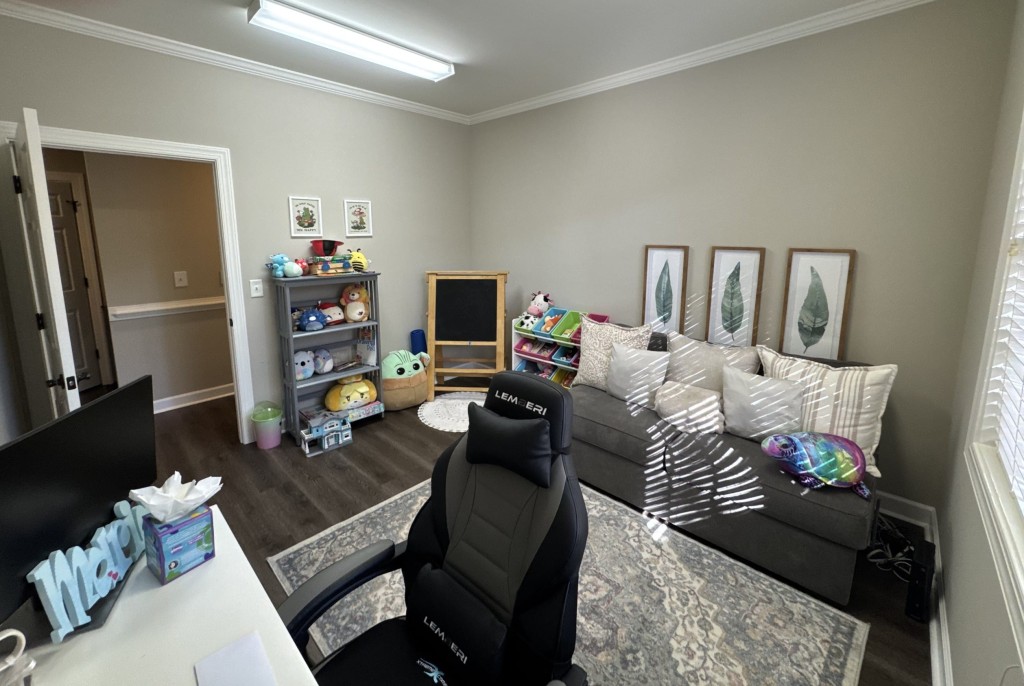
Maria is now a full-time therapist at Alpharetta-based Plural Minds, where she offers the kind of therapy she once looked for: It’s bilingual, in both Spanish and English, and she helps children and adults alike work through their trauma in a way that is culturally sensitive and empathetic. Some of her peers at the practice offer therapy in Portuguese, Russian and Tajik.
This interview was edited for brevity and clarity.
Tell me about the sort of patients that you see. What are their backgrounds?
A lot of people from different walks of life. Some of them are from Gambia, some of them are from Mexico, El Salvador, Nicaragua. I’ve had a few South Korean people as well. A lot of people with an Islam[ic] religious background and a lot of Catholics. They come because they know that they’re not going to be judged and I’m not going to force upon them Western mindsets. A lot of them come to me and mention, “As a Muslim woman, I’m told that I’m being oppressed, and I actually don’t think that’s something that’s happening to me, and it just makes me feel like I’m not actually being heard.”
A lot of the folks that are coming for sessions are scared, even when it comes to the psychological evaluations that people need for their paperwork. Sometimes they think that we’re going to call the cops on them, or are scared that they’re gonna get diagnosed with something. But we’re not here to judge you or diagnose you with things and say that, “Oh, you should not be in the United States.” And that’s sometimes the experience that they’ve had. They’ve had psychological evaluations, and they see that they’re being judged and not taken seriously, or sometimes they’re not believing their story, and they just feel saddened, so they’re not continuing services.
What are some of the issues you’re hearing in therapy sessions these days?
I think it’s a lot of fear. Fear of not being able to achieve their goals, fear of leaving family behind, fear that they’re not going to be able to help their children. There’s a few families that I’ve seen where they are bringing their children in for services, but the parents don’t come in for services. But when I do sessions with them to update them on their child, it turns out that they also need sessions.
I had a parent one time asking us, “If I get deported, would you still be able to see my child?” And it’s a really sad thing where they’re worried about all of the other people around, rather than themselves. They don’t want to get the help they need, they just want to get their basic needs covered.
Is this fear something new, or is it something you’ve always seen?
I’ve seen it, but right now, because they have someone that looks like them and has a lived experience that understands them, it’s easier for them to tell others. Clients are able to communicate their worries and their story with no boundaries whatsoever if they feel like you can understand them and not judge them. I think because there are more counselors that are coming about that are from the same background, they are able to communicate that trauma.
When I was a kid, I had one Hispanic counselor, but they still had a hard time understanding where I was coming from and what I was bringing up. But nowadays, I think the education for counselors is changing in a way that allows us to have an open space for those issues to come about, and we’re also getting a lot more training when it comes to understanding what is going to come into the counseling sessions.
And honestly, if you don’t want to deal with trauma work or with people from this community, then they will probably put you in a private practice somewhere where the majority of the population is white, so a lot of those problems won’t be coming up. I’ve had counselors say, “I chose this area specifically because there’s less trauma. It’s more like school anxiety.” And there’s nothing wrong with that. If anything, it’s great, because then they won’t be causing more harm to people that are coming in for horrible things.
With the new administration, is fear of deportation or fear of immigration raids, something new that you’re seeing in your sessions?
I’m seeing that a lot. I see kids coming in scared that their parents are not going to be home when they get from school. There are kids that tell me that I am going to cause their parents to get deported because I’m making them drive long distances, and it hurts because that’s not something that I want for them to feel. And when those conversations come in, I bring the parents in, and we communicate about what our next steps are.
A child should not be scared that their parents are not going to be home. If sessions are causing more harm than helping, then we need to think of another way to provide comfort and help for the child as well as for the parent. So, yes, with the new administration that’s coming up a lot.
Usually teenagers are so difficult when it comes to sessions, but even they’re coming in and crying and are upset and sad that this is something that is affecting their family. Sometimes they’re holding grudges with their parents, and then the next thing you know, they’re crying in the office.
And some clients have to cancel their sessions. Sometimes they’re like, “I don’t think I can drive.” Or sometimes they say “Can we just do virtual? Can I just do a phone call? Because I still need services, but I just can’t risk my safety. I can’t risk the safety of my family right now.” And so, of course, you have to be able to accommodate these clients.
Hispanic clients are not coming this much anymore. They’re scared and they’ve said that they enjoy the process that they’ve been doing in therapy, but also the location is quite far for a lot of them.
What are some of the tips that you give your clients to deal with fear and anxiety?
Not to run away from the fear. Allow the fear to be the fuel that helps you continue. Try to internalize the fear process, what you’re feeling, but then think about it out loud. Is this fear rational? Obviously it is rational because there’s a lot of people getting deported, they’re getting sent to jail. But is this currently affecting me?
If you know that you are having a fear that has nothing to do with the things that are going on around you, you have to do some cognitive reconstructing, which is identifying and challenging negative thoughts and beliefs that contribute to that fear. Is it here right now, or is it far away? Is it going to cause me harm right now?
Something else that I can suggest is self-monitoring: tracking your thoughts, feelings, and behaviors and identifying the patterns and the triggers. What is it that is triggering me to feel fear right now? Let’s say I was perfectly fine all day, but then out of nowhere, I just start feeling fear all of the sudden. What caused that? Maybe I was on social media and I saw that in another state people were getting deported. Maybe that is not currently happening in my neighborhood, but I feel like that is happening right now.
Social media is also triggering a lot of those fears. It’s great to be informed, but sometimes people are getting those secondhand fears that are not logical. For example, after I got on Instagram, looking at all those posts about ICE and all of the protests made me feel very fearful, and I just don’t want to go out. So, you have to self-regulate, and identify and challenge the negative thoughts.
And honestly, sometimes I tell them, feel fearful, be scared. It’s okay to sit with negative feelings. It’s okay to be scared, it’s okay to be mad, it’s okay to be sad about it, sit with it, process it, feel it. Because the more you try to push it away, it’s just gonna intensify and come back more intense than ever, and you’re gonna feel it even more.
What about children? Are there any activities to help them cope with fear and anxiety?
Usually for children, I communicate through drawings. Sometimes kids cannot express themselves. Sometimes they just say, “I’m scared.” Okay, can you draw what you’re scared about? And then see what they’re drawing, then ask them about it, and then they will tell you.
Children are very specific with the way that they draw. If you allow them, if you give them a whole box of crayons, they will pick specific colors for certain feelings, certain fears, certain things you see. You will see rigid stuff when it’s causing them pain, you will see circular things when it’s causing them too much anxiety and sadness and it’s dragging them down.
For adults, I also recommend digging into your child version. Why am I scared? How do I identify fear and the things that I’m scared about? Write about it. Talk about it a lot—sometimes talking to yourself out loud about it. It makes it more real. It doesn’t allow you to just push it to the side. And from there, you learn to start to acknowledge your feelings and your emotions, which is something that oftentimes people don’t do.
Do you feel like you were prepared to deal with this amount of trauma, fear, and anxiety that you’re seeing in the community right now?
I was ready for this. Trauma has always been my main focus, and I knew that there were a variety of levels of trauma, so I knew that this was going to come. I knew that this was a possibility, especially if a certain person was elected as a president.
Also, from my lived experience, my mom was sent back to Mexico under a previous administration, when I was completing my bachelor’s. My mom was later diagnosed with a form of throat cancer while she was in Mexico. So, having to navigate that, plus the pandemic. My younger siblings, who are American citizens, were forced to leave with my mother. I see my father traveling back and forth all the time, trying to maintain us over here, but also help my mother, who is ill in Mexico. I’m not the only person going through this. I talk to people, I ask for their stories, I interview people for art pieces. So I knew that this was something that was to come.
Since you had such difficult experiences with previous therapists, how can people identify who is a good match for them?
I think going to your first session and seeing how you feel. Truly sit with how you’re feeling with this counselor. Did you feel heard? Did you feel that you were talking to them, and the words were not just being just heard and they went elsewhere? Fully read those descriptions that counselors put because sometimes they sound very broad. Currently, I’ve been noticing a lot of counselors using AI to write their biographies. Notice how some of them sound so similar. If they start sounding so similar, maybe this group of counselors is not for you, because they’re just using AI to put things out there that are not truly how they are feeling. They’re just trying to get more people to come in and get services from them.
Sit with how you’re feeling after the session and before the session. When you see your counselor, the questions that you’re asking, are they answering it or just pushing it to the side and dismissing it and wanting to talk about what they want to talk about? Or are they talking about what you want to talk about?
Author

Related Articles
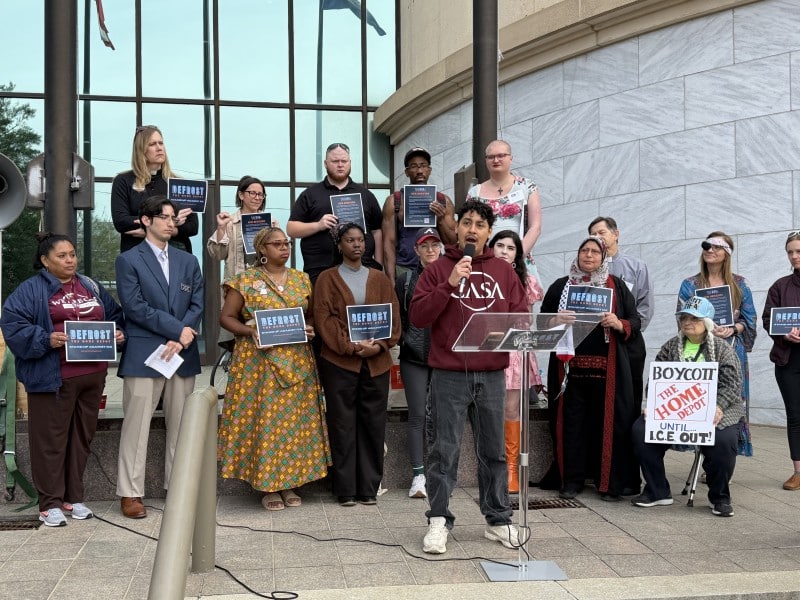
Atlanta advocates demand: “Get ICE out of Home Depot now”
As popular spots for immigrant day laborers to find work, Home Depot locations across the country have been repeated targets of ICE raids. Now advocates are pressuring the Atlanta-based company—an official sponsor of the upcoming World Cup—to take a stand.
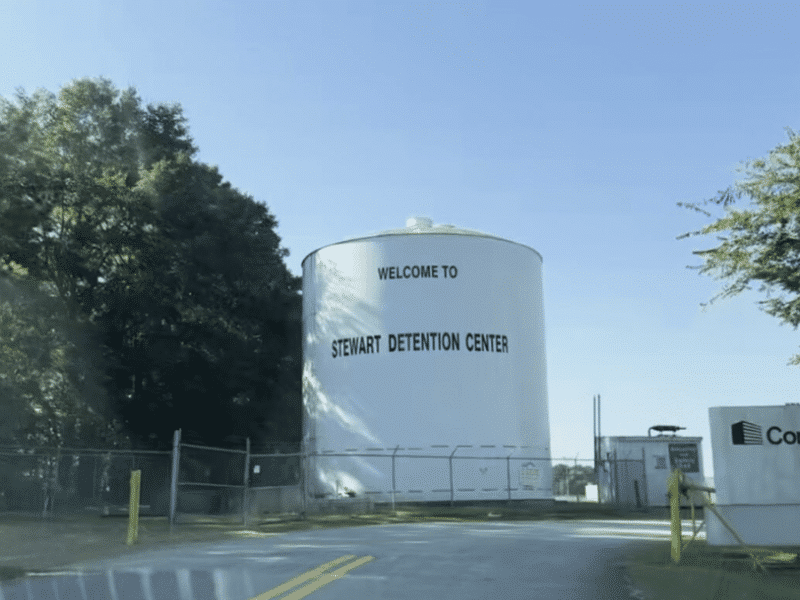
Woman who assisted in federal abuse investigation, arrested at Atlanta airport and deported days later
“A slap in the face,” her attorney says describing her client’s situation, who had a pending U-visa application