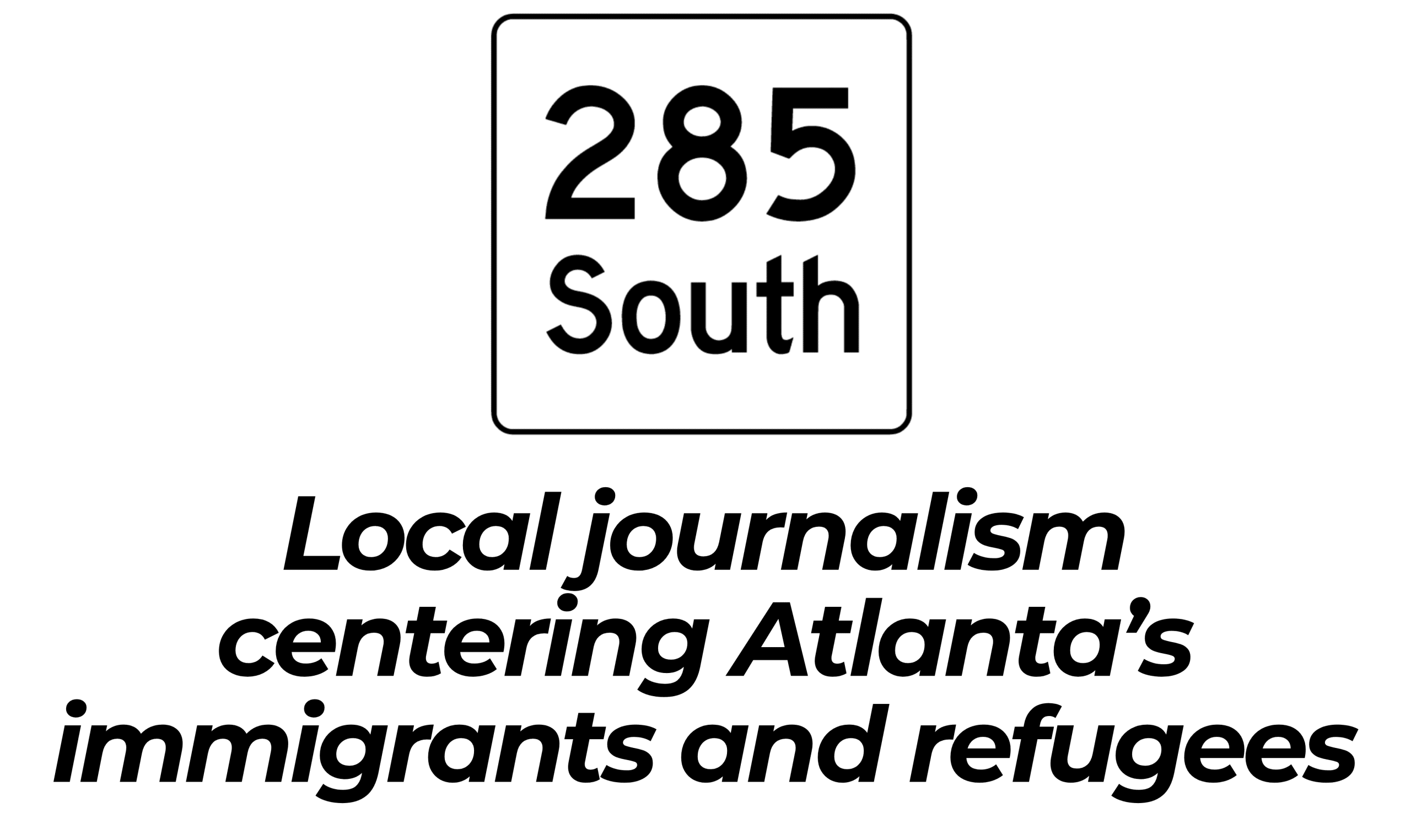
If you’re not a U.S. citizen, you may be asked for proof of your status here. What kind of documents should you be carrying?
Federal agents recently fined a green card holder for not having his papers with him—sparking questions about what kinds of documentation immigrants should be prepared to show. 285 South sought out three local lawyers for guidance.
In October in Chicago, a man named Rueben Antonio Cruz was talking with a friend on the street when agents from U.S. Immigration and Customs Enforcement (ICE) pulled up to ask if Cruz had papers proving his immigration status. “I said I do, but I don’t have them on me,” Cruz told the Chicago Tribune afterward in Spanish. Agents eventually let Cruz go—but not before fining him $130 for not being able to provide papers. They relied on a little-known, and little-enforced, provision of federal law requiring that adult noncitizens in the U.S. be able to demonstrate their legal status “at all times.”
That and other events have raised questions for noncitizens living in the U.S.: What kinds of documentation should you carry with you to prove your status here? What are the possible consequences for not doing so?
To get some clarity, 285 South spoke to several Atlanta-area attorneys who specialize in immigration law. All three—Charles Kuck, Sarah Owings, and Serene Hawasli-Kashlan—said that, in general, immigrants or people living in the U.S. with temporary visas should carry with them a valid government ID or driver’s license, as well as valid immigration documents. Those specific documents may vary depending on your status here—read on for more information.
Note: This article is for educational and informational purposes only and should not be construed as legal advice.
Green card holders
According to U.S. Citizenship and Immigration Services (USCIS), permanent residents—i.e., green card holders—should always have their green card in their possession. Not doing so is a federal misdemeanor and can risk fines, as Rueben Antonio Cruz learned.
H1-B visa holders
H1-B is a visa that allows for the temporary admittance of skilled foreign-born people who come to the U.S. to work in “specialty occupations.” People on this work visa should carry a copy of their passport ID page—the page with the photo and personal details for identification purposes—and a copy (digital or paper) of the I-94 form, which is issued to all legal foreign visitors to the U.S.
H-2A temporary agricultural workers
Charles Kuck recommends carrying a copy of the passport ID page and a copy of the I-94. Sarah Owings recommends having a paper copy of Form I-797—a communication from USCIS with updates about an individual’s immigration case; there are several different types of Form I-797. She also recommends having a digital copy easily available on your phone.
Student and exchange visas F-1 and J-1
For students with F-1 visas, it is recommended that they carry a copy of the passport ID page and a copy of the I-94. For exchange students, Sarah says, it’s a good idea to have a copy of the form called DS-2019, which is the “certificate of eligibility for exchange visitor status.” It proves that a person is allowed into an exchange program and sets up the specific dates of it.
DACA recipients
DACA, or Deferred Action for Childhood Arrivals, is a program that extends temporary privileges to certain people, including the authorization to work in the U.S. Attorneys recommend that DACA recipients always carry their original work permission form—known as the Employment Authorization Document, or EAD—with them.
Refugees, asylees, and people with Temporary Protected Status
Attorneys recommend that refugees, asylees, and people here under Temporary Protected Status (TPS) carry their original work permit with them.
Immigrants with no legal status
For people here without legal status, Sarah says, it depends on what documents they have available—if asked, they could prove their identity with a passport or a consular ID, for instance.
One thing undocumented people shouldn’t do is misrepresent who they are—“because fingerprints don’t lie,” she said. Lying to a federal agent is considered a material misrepresentation and is grounds for deportation. In addition, making a false claim about being a U.S. citizen carries a penalty of a lifetime ban on immigration benefits. And if officials can’t verify a person’s identity and that person is taken into custody, that can create complications for any friends or family who might be trying to locate them through U.S. Immigration and Customs Enforcement’s detainee locator.
Serene Hawasli-Kashlan, legal services director for the nonprofit Asian Americans Advancing Justice–Atlanta, recommends that people without legal status have documents that prove presence in the U.S. for the past two years, such as leases, school or medical records, or mail. Showing proof of presence for longer than two years helps people avoid being placed in expedited removal and be deported without a hearing from an immigration judge, Serene explained.
Other recommendations and resources
Sarah normally doesn’t advise clients to carry original versions of important documents, so they don’t risk being lost. Instead, she recommends having both paper copies and a digital version readily available.
Sarah said that in general, people are required to report any address changes to USCIS within 10 days of relocating. For people in court proceedings, they must notify the court and ICE within five days of any move.
In January 2025, the Trump administration enacted a rule requiring people (including undocumented people) to register with USCIS if they’re 14 years and older, wish to remain in the U.S. for 30 days or more, and were not registered and fingerprinted when applying for a visa. People who have registered with USCIS should carry proof with them. Sarah said each case is different, and people should consult with their attorneys about their individual circumstances. For instance, if someone already has employment authorization, they may already be registered.
Sarah also recommended that people download the ReadyNow app, which notifies your emergency contacts and attorneys if you face arrest.
Serene recommends that people carry Know Your Rights mini cards and memorize legal and emergency contact phone numbers. “You are entitled to a call, so it’s helpful to have numbers memorized,” she said. Serene also said it’s a good idea for people to carry copies of USCIS notices showing that they have pending applications, and that it’s best to leave foreign identity documents, or any ID that shows a person’s place of birth, at home. Asian Americans Advancing Justice–Atlanta put together a guide on immigrant rights and family preparedness, available in five languages here.
Author

Related Articles
“You’re not supposed to shy away from that”: At a weekend vigil, people remember immigrants whose lives were cut short
The service doubled as a fundraiser for the family of Jesus Manuel Arenas-Silva, who died in ICE custody in Georgia in July.

Leaked reports show surge in use of force in Georgia immigration detention centers
Use of force surged 63% at two Georgia immigration detention centers