
“Our family was destroyed. We’re piecing it back together,” says Adalina, whose husband was deported to Peru
After months apart, a metro Atlanta resident decides to leave the U.S., apply for Peruvian citizenship and join her husband in Peru—at least until a new administration takes office. As she prepares to leave the U.S., she is finding support in her Atlanta friends and community.
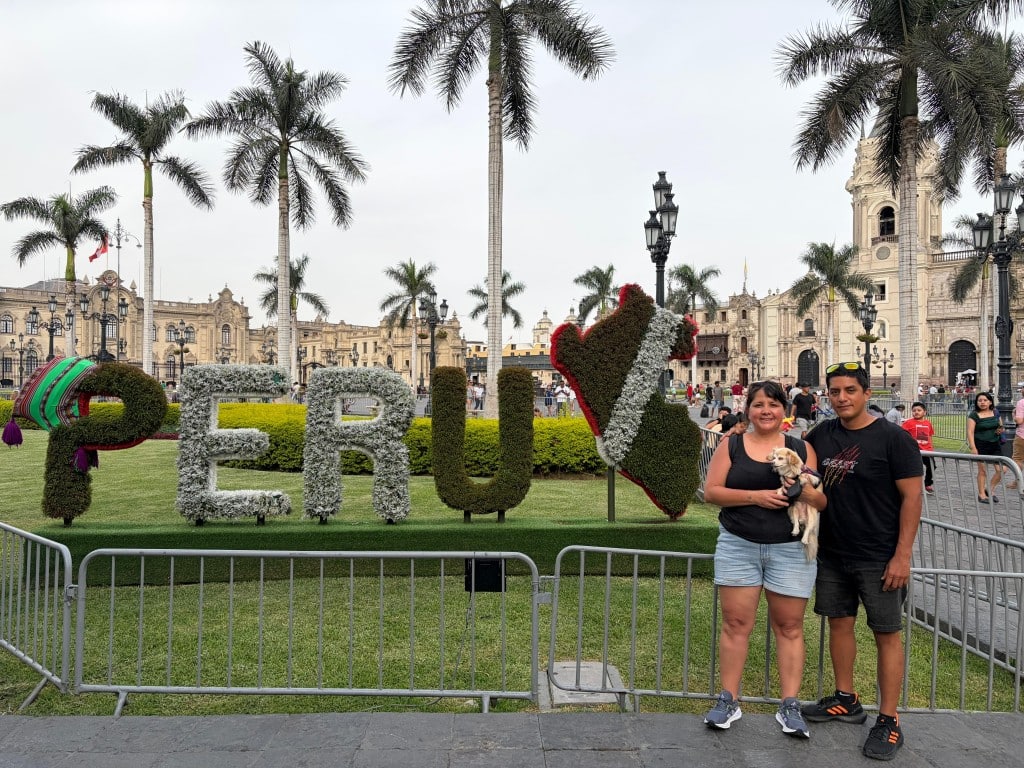
On February 13, Adalina Merello took her service dog, Angel, to Hartsfield-Jackson airport and boarded a flight to Peru, where she was reunited with her husband, Jorge.
Adalina’s visit came on the occasion of their wedding anniversary: February 14. The couple had spent the past three months apart. Last September, a police officer pulled Jorge over for speeding in western Georgia while on his way to Alabama. Born and raised in Peru, Jorge had overstayed a tourist visa in the U.S. and had a pending asylum claim; with a work permit, he’d recently been promoted to sous chef at a Buckhead restaurant. Now, though, local police turned him over to U.S. Immigration and Customs Enforcement (ICE), who kept Jorge in custody for months—in four different Georgia detention facilities—before he made the choice to leave the country voluntarily, thinking it’d make his eventual return easier.
Jorge is one of 1,723 people detained by ICE, and one of 1,425 people removed from the U.S., in the Atlanta area last year, according to data from the agency. Nationally, 71,405 people were removed from the U.S. last year.
While Jorge was in detention, Adalina said, “I was afraid for his life every day.” She spoke to 285 South recently via video call from Oregon, where she is taking care of her mother, who has terminal cancer. Adalina’s mother received her diagnosis around the same time that Jorge was in detention.
“I was put through pain and suffering, and my family and his family too. It never helped that my mom’s cancer was diagnosed at the exact same time, so here I was going through all this, and Jorge was put through hell,” Adalina said. “I got to see him about once a week through glass, but again, the toll it takes on my family and friends . . . his mother and dad were devastated the whole time, and his sister, they would cry themselves to sleep.”
Once Jorge left the country, he and Adalina had to figure out what their relationship would look like now that it was long-distance. Adalina figured she could visit him in Peru once a year, starting with the trip last month. She was able to afford the trip after two regulars at a restaurant where she was working bought her plane ticket, using miles they’d saved. “They made the offer, I was super excited, and then they came through on it, which just got me really emotional that they actually did that for me,” Adalina said.
But while casually looking for jobs in Lima through Facebook groups, she realized she could become a Peruvian citizen herself—her father was born in the country. Soon, the couple decided that Adalina would relocate to Peru this fall so they can be together again full-time.
“I was ready to wait three years because I don’t want my husband in this country under Donald Trump,” Adalina said. “ No matter what he does, he could go back to Stewart, no matter how meticulous and careful he lives his life.”
While in Peru, she went to pick up her father’s birth certificate, and is filling the paperwork to obtain Peruvian citizenship. “It’s looking like this plan is pretty good and pretty concrete,” she said. “Again, it could not work in six months, but I give it a year, and I should be able to be down there.” At the same time, the couple filled out an I-130 form—a petition for a green card for Jorge based on the fact that he’s married to Adalina, a U.S. citizen.
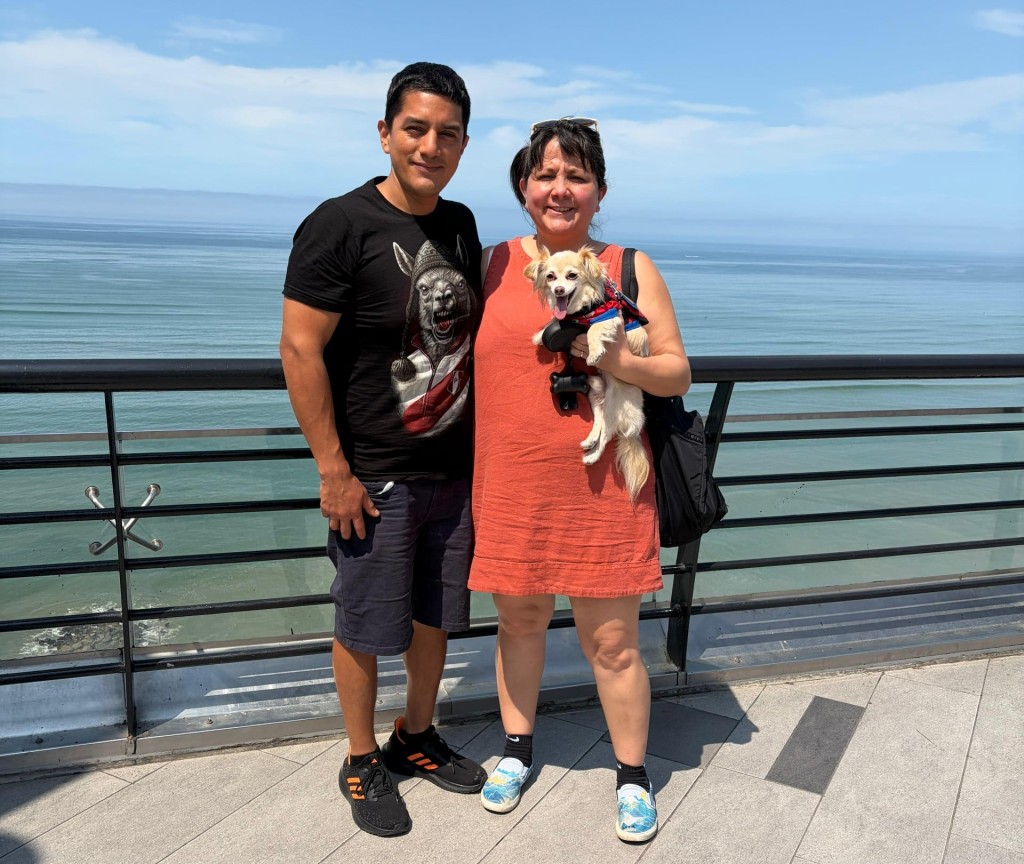
When they weren’t dealing with paperwork and long-term planning, Adalina and Jorge spent time eating out in different restaurants in Lima, visiting museums and parks, and meeting with Adalina’s father’s family in Cerro de Pasco, a city located high in the Andes. The couple also went to the beach in Paracas, on the west coast of Peru, and to Huacachina, a desert area in the southwest of the country. “We really valued our time together,” Adalina said.
Adalina, a longtime Atlanta resident, launched a GoFundMe campaign to help cover Jorge’s mounting legal expenses (about $12,000), plus living expenses now that her household income has been cut in half.
“Making ends meet has just been really complicated,” she said. “All of your income gets taken away when your partner gets taken away. That’s one element of it. The other element is the emotional element of knowing that my husband was really stoic and brave [but that] doesn’t take away the fact that he went through hell.”
After returning from Peru, Adalina was laid off from her restaurant job. Since then, she has applied to a couple of jobs and feels optimistic about her prospects. At the same time, she’s focused on caring for her mother and preparing for a new life in South America with her husband.
She plans to get a job teaching English in Peru, where there’s a high demand from people who want to learn the language. Jorge already has a full-time job working six days a week in a kitchen, and a couple side hustles.
The couple is bouncing back slightly, Adalina says, while reflecting on the fact that they’re only one couple—and that what happened to them could happen to many immigrant families. “Our family was destroyed,” she said. “We’re piecing it back together, but this administration is just doing this. They don’t care. They don’t care about anyone.”
Author

Related Articles

Medical licensing, HIV prevention, and ICE enforcement: Here are the bills affecting immigrants that passed—or failed—during Georgia’s legislative session
Advocates from Muslim, Latino, and Asian American advocacy organizations help 285 South take stock of this year’s meeting of the Georgia General Assembly.
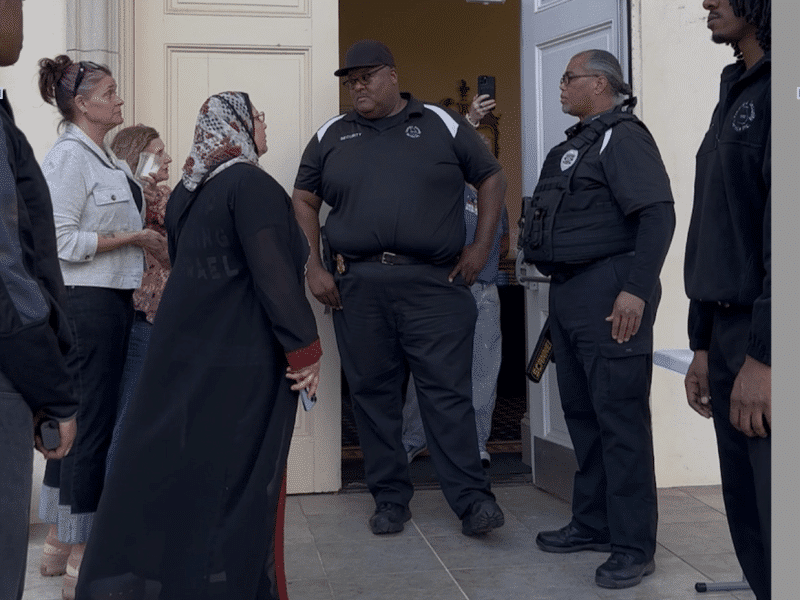
After a Palestinian activist was excluded from a Decatur book talk, a pastor hopes to make amends
Sparking criticism from civil rights groups, private security prevented Jawahir Sharwany from entering an event featuring Sen. Cory Booker—even though she’d bought a ticket.

At Unity Fest in Clarkston, children celebrate their cultures, both old and new
DeKalb County students come together for the third annual festival