
At C’est Si Bon restaurant, Atlanta’s Haitian community gets a taste of home
The longtime Smyrna business is under new ownership, offering a fresh spin on beloved national dishes.
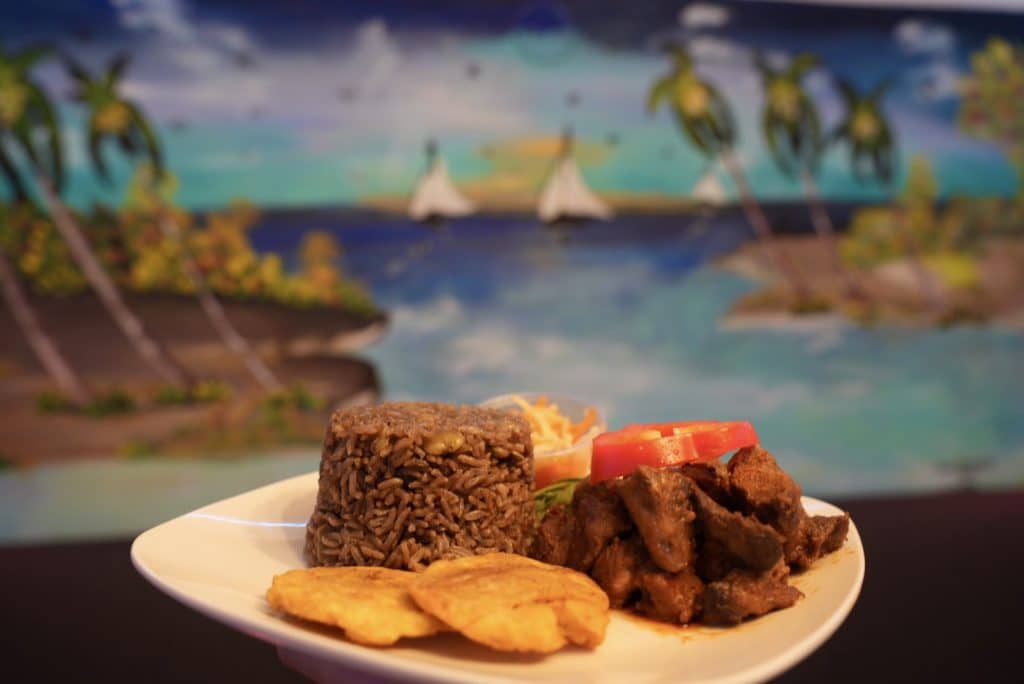
For decades, fans of Haitian food in Atlanta’s northern suburbs have traveled to C’est Si Bon Pastry & Restaurant, a tiny Smyrna storefront. Those walking through its doors today might be welcomed with the familiar smells they’re used to—rich pepper and spice, rice and beans, hearty fried meats—though they might also notice that the place has been spruced up a bit: As of this year it’s under new ownership, now operated by the Haitian chef Di A. Josuè and her daughter, Johanna.
At C’est Si Bon, Di’s goal is to serve food that will remind her customers of what they liked to eat back in Haiti. The local Haitian community is “pretty close-knit,” Johanna says. It’s also getting bigger: In the past decade and a half, the metro’s Haitian population has grown from 19,000 to more than 30,000 people. Businesses have also flourished. The Georgia Haitian-American Chamber of Commerce lists businesses in sectors ranging from arts and entertainment to healthcare, manufacturing, and real estate.
That growth has been fueled by natural disasters—the island is in the path of Atlantic hurricanes, and a devastating 2010 earthquake killed about 220,000—as well as political instability. Gangs currently control 85 percent of the country’s capital, Port-au-Prince, and more than 700,000 people are internally displaced.
“I have too many people here who need food, and Creole food,” Di says. “And I love to cook.”
Born in Port-au-Prince, Di came to the U.S. with her father at age 15 and landed in Miami. She got married, learned to cook from her late husband, and eventually moved to Atlanta with her three daughters. In the early 2000s, she owned another Haitian restaurant, later closing it to focus on raising her daughters. After a course of premed study, she opened two group homes and took care of elderly people and people with disabilities.
In 2024, Di took on her next venture: C’est Si Bon, which happened to be right across the street from her former restaurant. The space “has always been a Haitian restaurant,” Johanna says. The previous owner opened the last iteration in 2008. As they took it over, Di and Johanna wanted to preserve some elements—like original paintings by Haitian artists—while making C’est Si Bon their own. They painted the walls and brought in new furniture and decor. Johanna is also devoting herself to trying to build up the restaurant’s social media presence; she’s hoping to make its menu available on platforms like Uber Eats and DoorDash by next year.
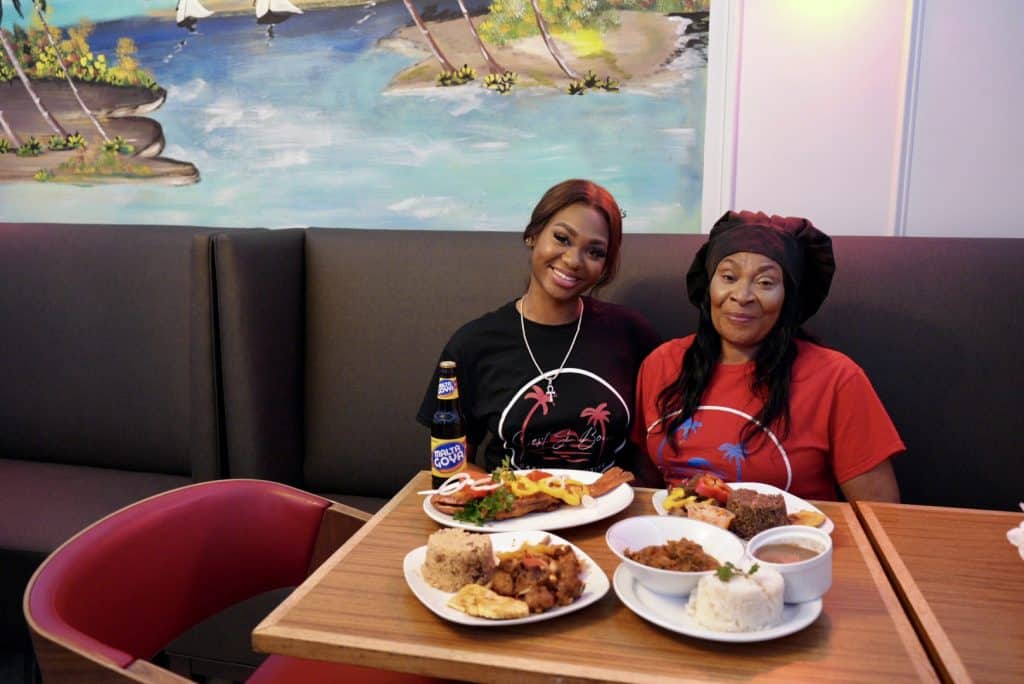
They’ve also designed a menu to appeal to a wide array of palates, while preserving the Haitian flavors that made C’est Si Bon popular in the first place. One key ingredient gives the meats that Di serves—including oxtails, turkey, griot (fried pork), and tassot (fried goat)—their genuine Haitian flavor: epis, a paste made from garlic, onion, jalapeño, and red and green peppers. Before cooking it, Di cleans the meat with vinegar and lemon, which lends it a distinctive flavor and texture.
Di’s rice and beans are cooked differently from those in other Caribbean countries: She serves traditional Haitian mushroom rice—made from djondjon mushrooms (black edible mushrooms native to Haiti), habanero peppers, and spices—with lima beans rather than black beans. The restaurant’s other specialties include epis-seasoned red snapper and legume, a Haitian dish made with a mix of mashed eggplant, cabbage, chayote, spinach, watercress, and other vegetables.
Customers come to C’est Si Bon from all over the place. But for Haitians in Atlanta, it feels particularly like home, Johanna says: “With our Haitian community, they’re not gonna eat food that isn’t authentic and isn’t good.”
Author

Related Articles

“They’re free to be kids here”
On a makeshift soccer pitch in a Decatur gym, middle schoolers from countries including Afghanistan, Congo, and Sudan speak a shared language (with a little trash talk mixed in).
Spring has sprung—and for one Burundian farmer, that means it’s time to get back to the garden
This year, gardeners from the nonprofit Global Growers Network are combating food insecurity by harvesting produce for local food banks.
Andres Carrillo, founder of the pop-up Cocina Pachuco, is using his cuisine to fundraise for immigrants in detention
Born and raised in El Paso, the recently arrived chef is strengthening ties with his new home. One way he’s doing that: supporting the state’s immigrant communities.