
Ibu’s Kitchen gets back to the basics: “Food makes people happy.”
At this “one-stop shop” on Buford Highway, customers can find Indonesian groceries, Batik clothes, homestyle meals, and an unwavering commitment to values.
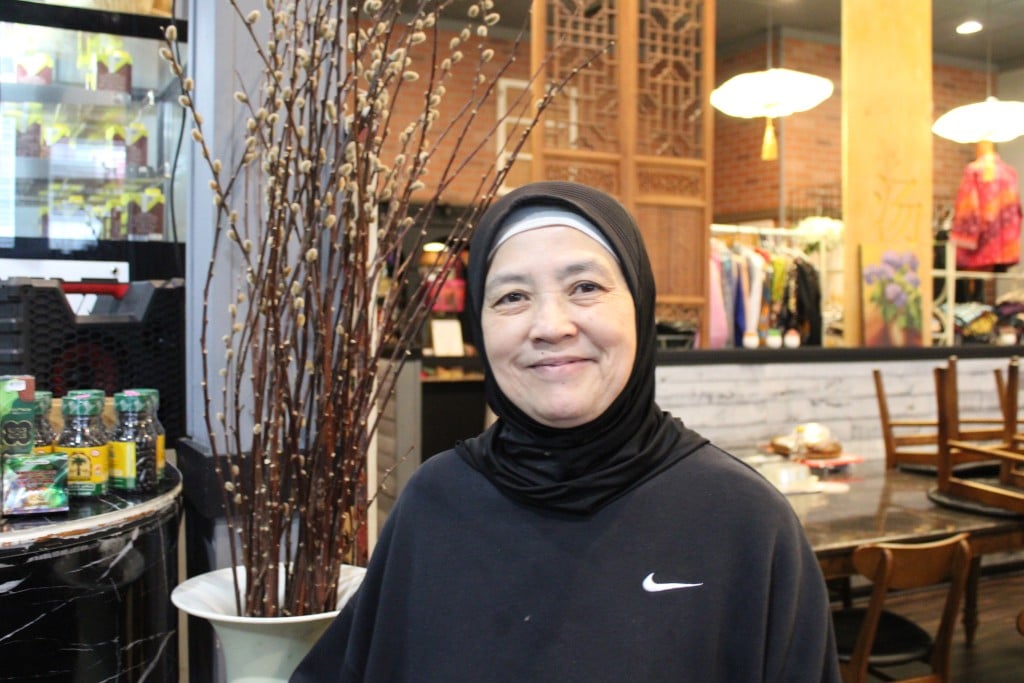
Dressed in her hijab and a black Nike hoodie, Rina Soejoedi radiates a sense of determination and presence that belies her five-foot stature.
And now she finally has the space to match her ambitions and energy.
When 285 South last visited Ibu’s Kitchen, in January 2025, Rina was cooking out of a tiny storefront in Tucker.
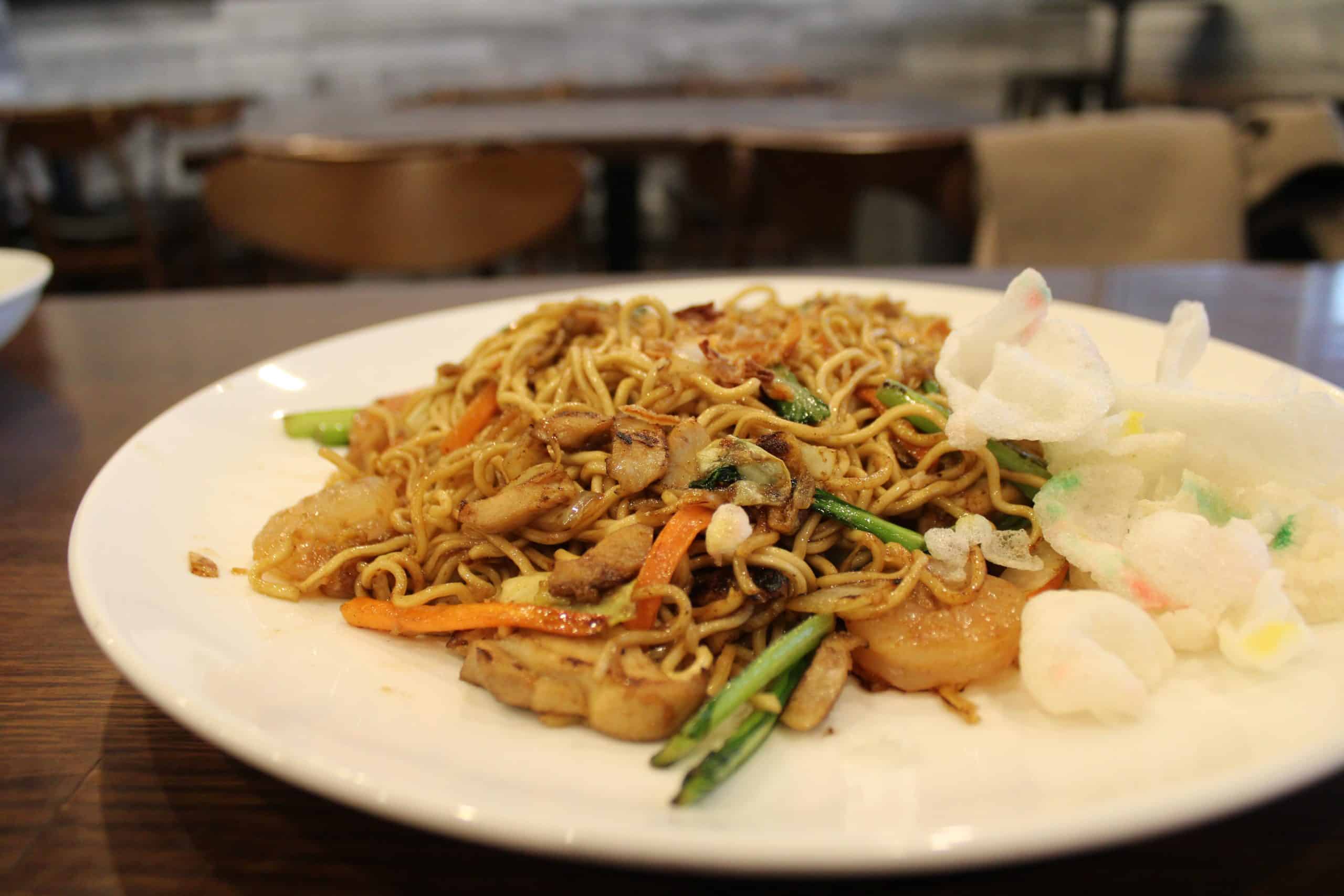
Now the restaurant has moved to a larger location in Pinetree Plaza strip mall on Buford Highway. The menu, which features classic Indonesian rice and noodle dishes has expanded to include more soup offerings like sayur asem, a sour vegetable soup with corn, long beans, and squash; soto ayam, a classic Indonesian comfort soup, and rawon, a beef-based preparation from East Java that’s also known as black soup. The latter, Rina adds with a chuckle, recently made it onto a list of the world’s top soups.
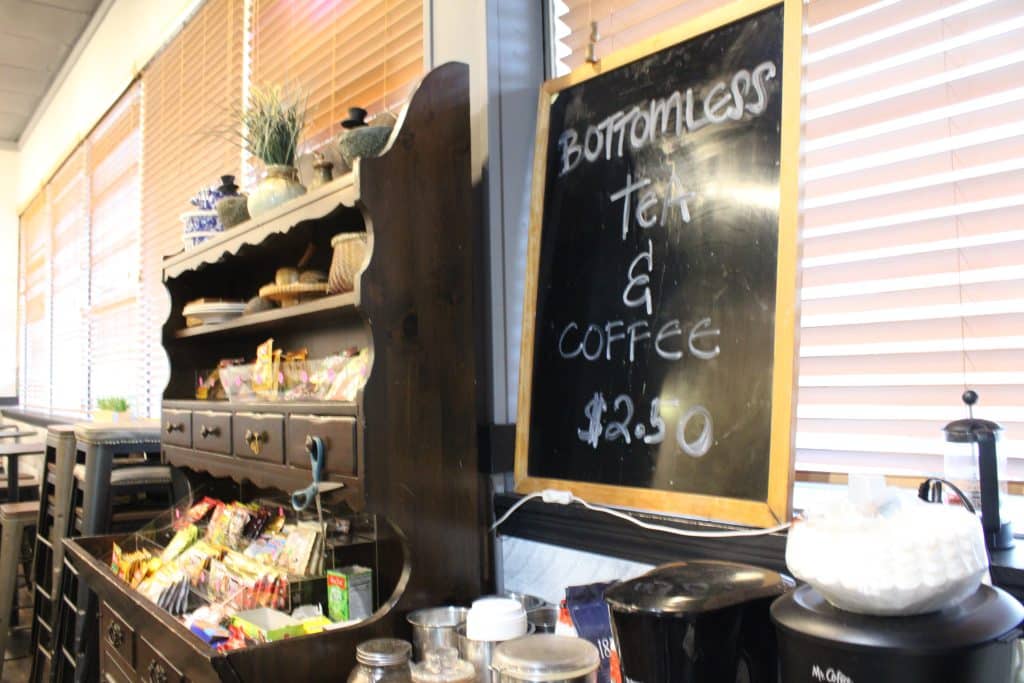
Upon our arrival to the new restaurant, she explained that they have no servers. It didn’t make sense, she said, because young servers are “too much on the phone.” So she set up a table by the front doors where customers can help themselves to coffee, tea, and water; a station for picking up cutlery; and a place to grab takeout containers for any leftovers. Customers order at the front, pay, and have a seat while they wait for their food.
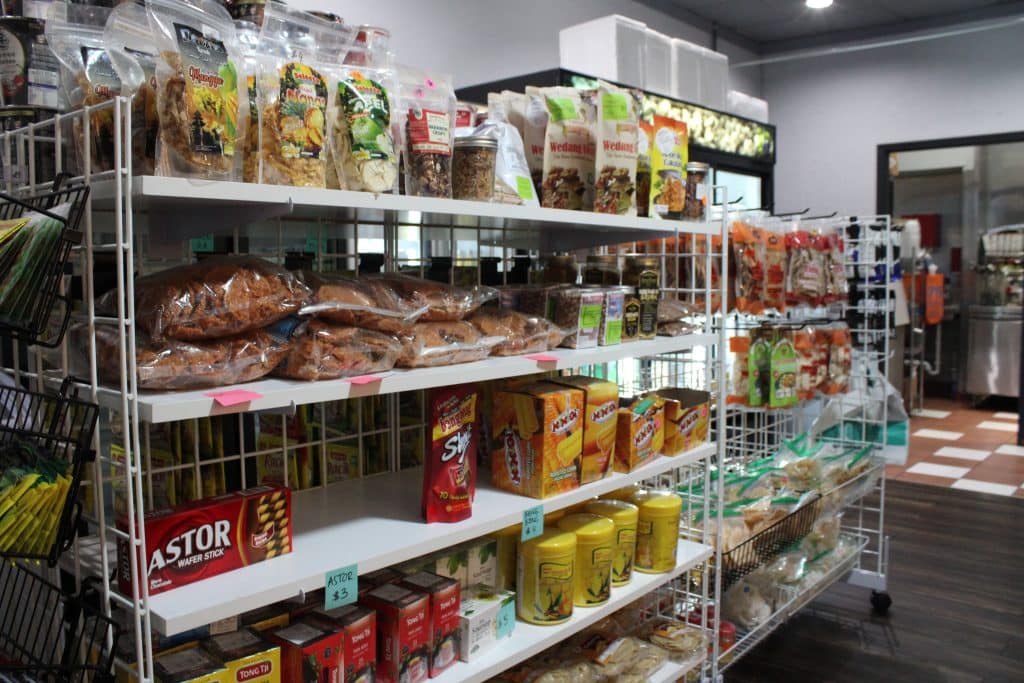
After waiting nearly three years for a restaurant space on Buford Highway to become available, Ibu’s opened the new location in November. The restaurant, which Rina co-owns with a business partner who is originally from Malaysia, was her dream. She makes the food with the same high standards she has for the food she cooks at home, like using only Three Ladies-brand rice and hand-cut halal chicken. The business boasts a grocery section, a clothing shop where you can find batik, kebayas, and even burkinis, and a large prayer room at the back. “Allah gives everything beautiful, nice,” Rina said. “Don’t forget about our Creator.” She added the space because she wanted to make sure people could relax at the restaurant and not have to rush home to pray, or have to pray in a makeshift area, like the corner of a kitchen, which can be “awful.”

After an initial busy period after the restaurant first opened, the last few months have been slower, Rina said—due to both the post-holiday lag and the persistent fears, circulating throughout immigrant communities, of U.S. Immigration and Customs Enforcement (ICE). Rina has never seen ICE in the area but, she said, “everybody post in the Facebook. You know, it’s been around this area throughout.” At one point, when rumors seemed to be at an all-time high, she decided to close the restaurant for three days.
Last month, customers became alarmed when three people wearing uniforms walked into Ibu’s; presuming they were ICE agents, the patrons ran to the back of the restaurant. It turned out they weren’t federal agents—it was just code enforcement, there for a routine check. Still, that didn’t stop the rumors from spreading. “People called asking like, Hey, is the restaurant safe?” Rina said.
Rina has her own fears, she said, as a hijabi woman with an accent: “Even I’m a citizen, I’m scared because they catch the citizen.” And she admits that cash flow isn’t great—enough to cover expenses and carry the restaurant for one month. Still, she’s undeterred. “It’s good for me, because I love challenge. I don’t like too easy… [challenge] make you stronger.”
She finds inspiration in her faith, and in others. At Ibu’s, she serves Salaam Cola, made by a company that advertises the drink as “born as a protest against injustices in the Muslim world, particularly Palestine.” In fact, Rina sources all her products using an app that ensures she’ll follow the Boycott, Divestment and Sanctions (BDS) movement, which targets Israel’s treatment of Palestinians. “Anything [that] supports Zionists is not allowed in this restaurant,” she said. She sees it as part of her mission to “spread the good.”
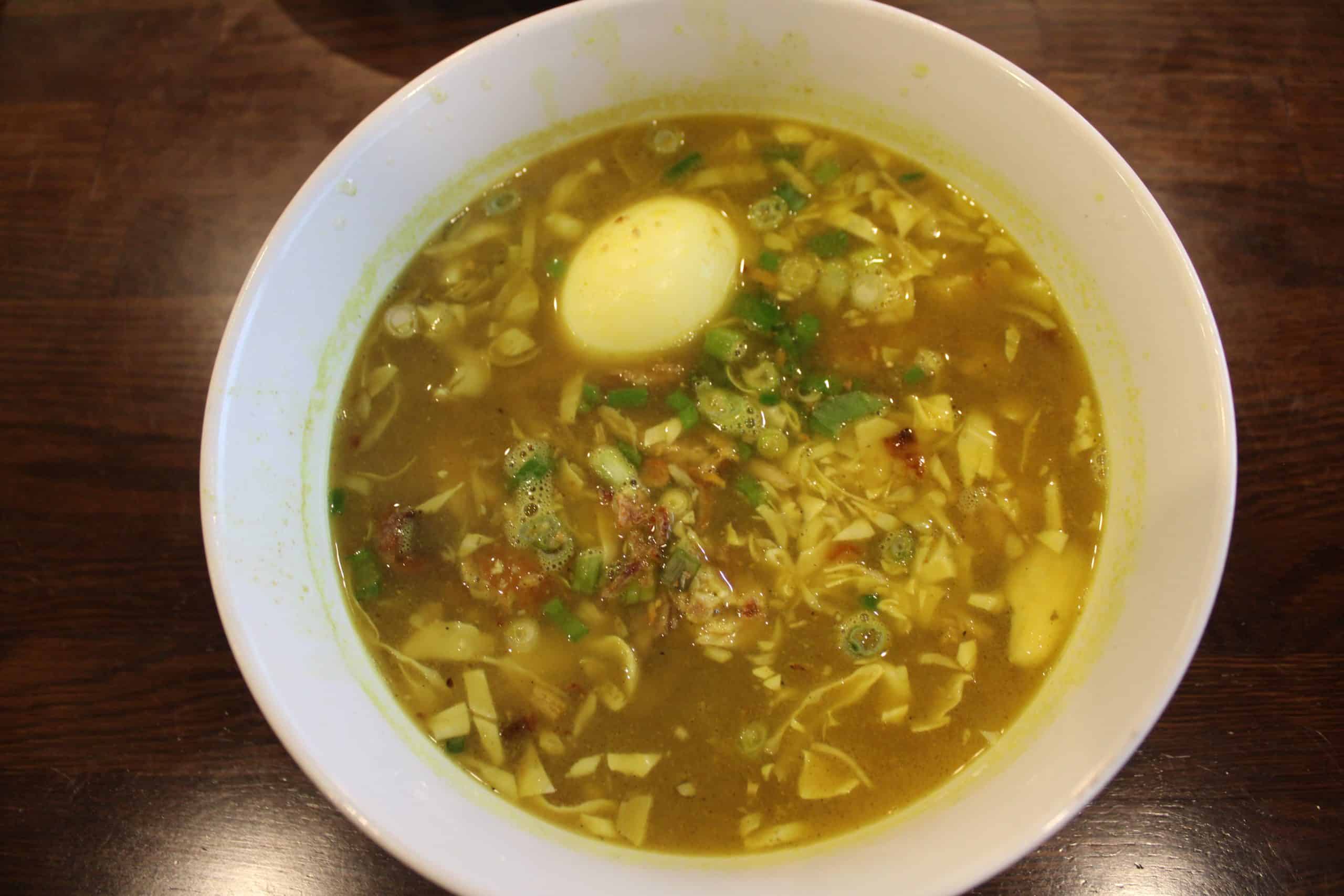
Coming to our table holding a big steaming bowl of soto ayam, a chicken soup seasoned with lemongrass, turmeric, ginger, galangal, and lime leaves, she seems at peace.
“Food makes people happy,” she said. She wants people to search for smaller, more local, more human ways of connecting—around a meal, away from technology, and outside the grip of big corporations.
“This is the time of the small company. Wake up—we have to support regular, local company. It’s the time.”
Author

Related Articles
Andres Carrillo, founder of the pop-up Cocina Pachuco, is using his cuisine to fundraise for immigrants in detention
Born and raised in El Paso, the recently arrived chef is strengthening ties with his new home. One way he’s doing that: supporting the state’s immigrant communities.
At La Mixteca Tamale House, colorful masa creations celebrate Valentine’s Day—and honor a mother’s memory
Born in Oaxaca, Rosa Lucia Hernandez launched a tamale business in 2018 to fulfill a longtime dream. After her death, Rosa’s children are keeping that dream alive.
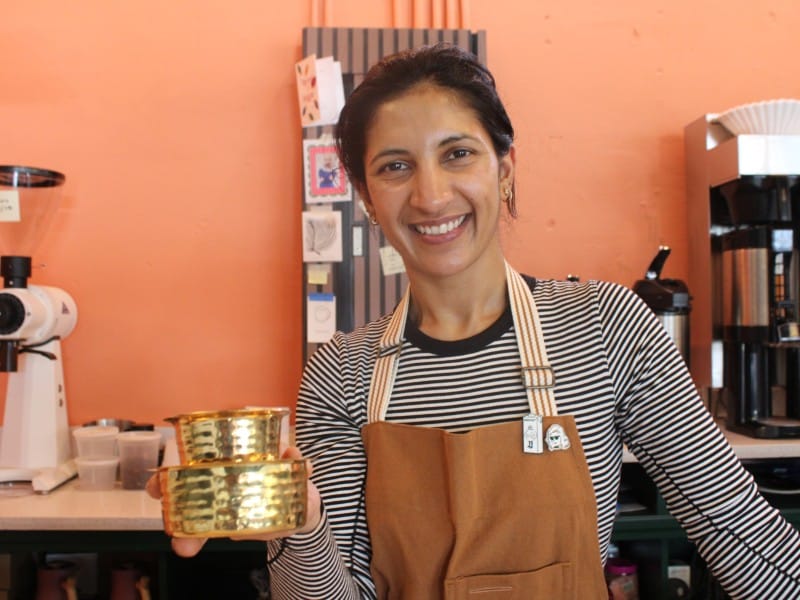
“Everybody has a ‘Raani’ in their house”
At Raani Coffee on Moreland Avenue, Praveena Sundarraj honors South India’s coffee traditions—and builds a new kind of “third space” for coffee aficionados and their parents