The fraught legacy of Atlanta’s last big international sports extravaganza
Play Fair ATL, along with local immigrant advocacy groups, don’t want a repeat of the past.
Last fall, with the World Cup approaching, a new coalition formed to monitor the preparations. Comprising some three dozen groups, including immigrant advocates like Sur Legal and the Latino Community Fund–Georgia, Fair Play ATL said it wanted to make sure human rights, immigrant rights, and racial justice don’t get tossed to the sidelines in the football fervor—and that whatever benefits the World Cup brings to metro Atlanta will be spread equitably.
They have reason to be concerned. Just look at the last time Atlanta hosted a major international sporting event.
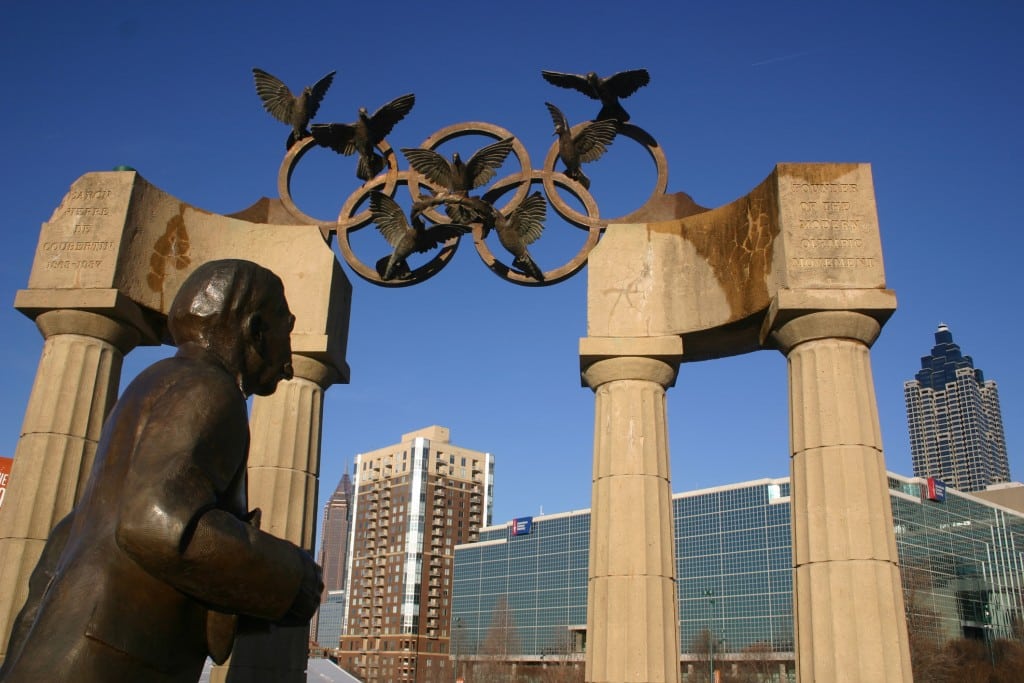
Thirty years ago, the 1996 Olympic Games reshaped the city physically—see: Centennial Olympic Park—and demographically. Speaking to the Atlanta Journal-Constitution in 2016, the Mexican consul general at the time recalled hearing from a federal official that, essentially, the U.S. government would look the other way on immigration enforcement until the Games were over—the labor of undocumented people was needed for construction to wrap up on schedule. Many of those workers stayed put once the Olympics had finished: Between 1995 and 2000, the estimated number of undocumented people in the city grew from 55,000 to 170,000, driven partly by the demand for labor the Olympics generated.
If Atlanta relied on vulnerable populations to get ready for the Olympics, it also took strides to ensure that visitors attending the Games would get only a narrow glimpse of the city—a distinctly white and prosperous one. That meant removing others who would undermine that vision, Some unhoused residents were given one-way bus tickets out of the state, others were arrested and detained in the newly constructed Atlanta City Detention Center. Ultimately, a federal court issued a cease-and-desist order to quell the illegal arrests of unhoused people, estimated at up to 9,000; when all was said and done, the Olympic Games had displaced some 30,000 Atlantans.
Today’s organizers haven’t forgotten that legacy. Play Fair ATL has assembled a raft of policy proposals, some of them directly related to immigrants—like a demand that federal immigration agents be excluded from “law enforcement activities related to the World Cup.” It looks likely, though, that they’ll be around here anyway.
Author

Related Articles
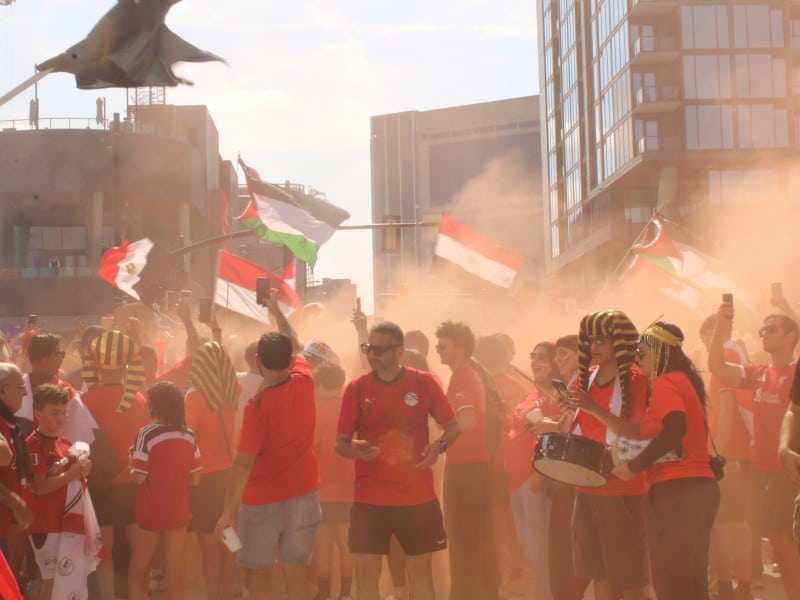
For Egypt, a historic match in Atlanta, despite a 3-2 loss
An afternoon of high and lows for Egypt fans who traveled to the Benz for Tuesday’s match against football soccer giant Argentina
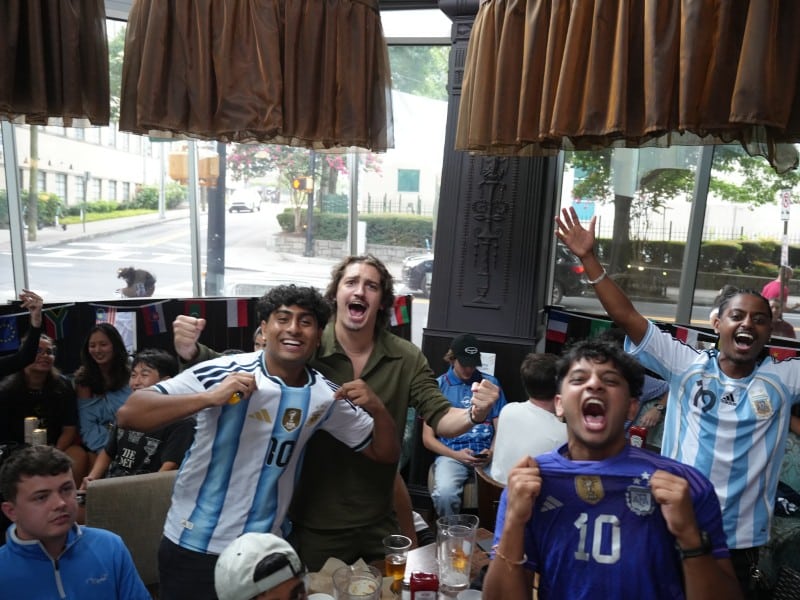
For this Congolese fan, the DRC match is about more than just soccer
Excitement in Atlanta’s Congolese community as the DRC takes on Uzbekistan