For this Congolese fan, the DRC match is about more than just soccer
Excitement in Atlanta’s Congolese community as the DRC takes on Uzbekistan
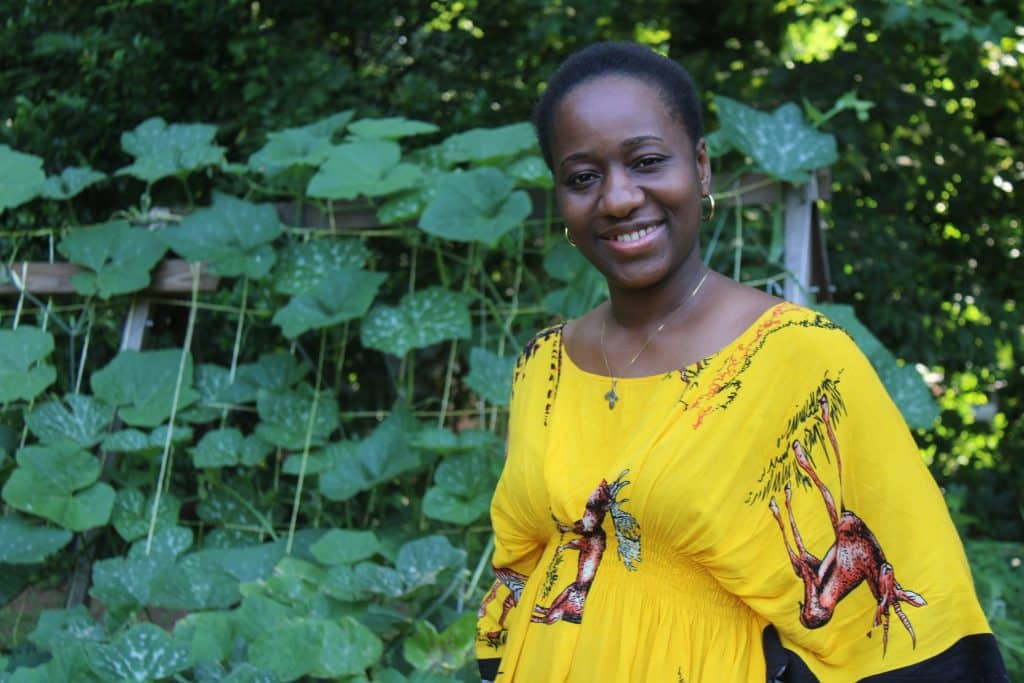
Ritha Mwidya’s friends are flying in from all over the U.S. this weekend – Dallas, Houston, Columbus, Delaware. They’re coming for the World Cup – to watch the Democratic Republic of Congo play Uzbekistan, but they’ll also get to enjoy Ritha’s home-cooked Congolese food.
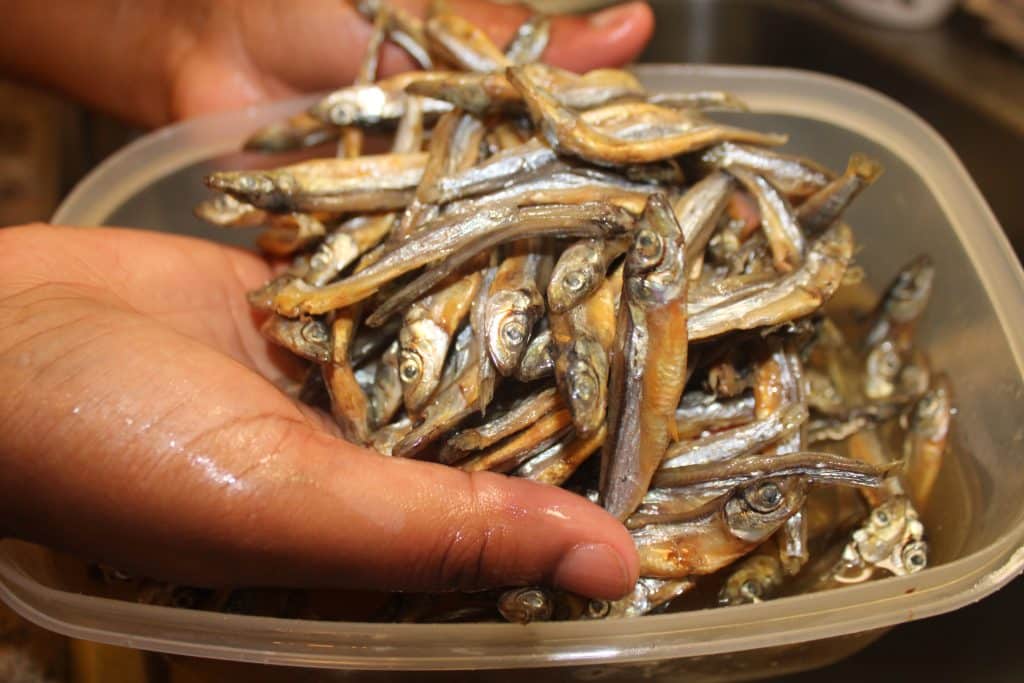
She’s making some classic dishes – ndakala, a dried fish native to fresh water in Central Africa, kibwabwa; greens made with pumpkin leaves, crushed peanuts, and onions, pondu – crushed cassava leaves. and the staple starch, fufu, made with a mix of corn and yam flour. “It’s a reunion,” said Ritha’s husband, Didier Monga Wa Shakapanga.
It’s an exciting moment for them all: the Democratic Republic of Congo is in the World Cup for the first time since 1974, and this must-win match is being played just 8 miles away from where Ritha and Didier and their two small children live in Dekalb County. It’ll be the third match for the team, which played against Portugal in Houston and Colombia in Guadalajara. The tickets for those games were even more expensive than the one in Atlanta, which is why Congolese from all over the country, Didier said, were converging here.
When the team qualified for the World Cup Finals, said Ritha, who left her home country 6 years ago, the whole country took a day off from work and school just to celebrate. “We were not even born when Congo [last] played,” she said, sitting in her apartment behind the Columbia Theological Seminary school, her two-year-old-son and four-year-old daughter wandering in and out of the room.
When they heard DRC was playing here in their adopted city, Ritha and her husband “decided that we are going [to the match], without even knowing the price,” she said. “It is coming literally where we are, like we don’t have to pay for travel or housing or anything else… we’re not missing that game,” said Didier.
Ritha and Didier, as well as her sister and brother-in-law, planned to go to the game and sit together, but they hit a road block: seats were “extremely expensive.”
But because of a turn of events on the other side of the world, they did end up getting tickets. “I don’t know if I should say, fortunately or unfortunately,” said Didier, but “there are a lot of people who cannot come again for the game because of the Ebola suspension.”
U.S. travel restrictions require anyone to the U.S. from the DRC for the World Cup to monitor for symptoms of Ebola – the deadly virus that has struck the region since May – at a third country for three weeks before entering the U.S. One of their friends from the DRC decided to forfeit their ticket, after landing in Belgium. Another friend from South Africa was unable to get a visa appointment at the U.S. embassy, so sold her ticket to the couple.
“We just walk in the stadium together, and then meet again after the game,” said Didier, explaining that the seats were on either ends of the Benz.
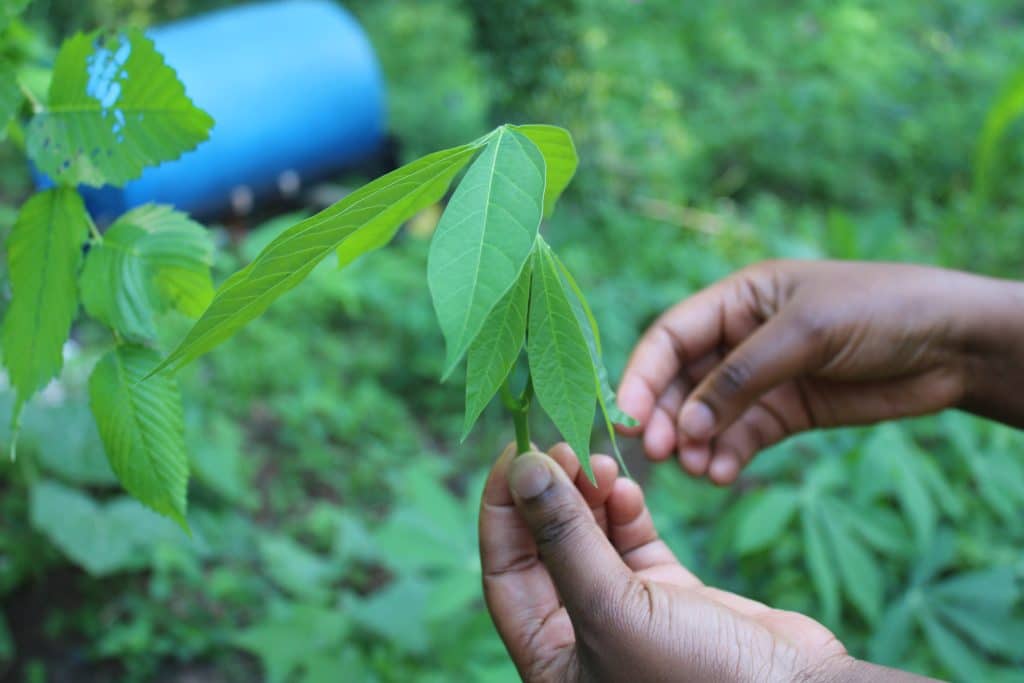
Behind Ritha’s apartment complex is a community garden where she grows ingredients essential to Congolese cooking: pumpkin leaves, hibiscus, cassava, and corn. As she plucks some pumpkin leaves, which she’ll use to make the meal for the out-of-town guests, she describes what it’s been like for her living in Atlanta for the last several years.
“People don’t know about Congo,” she said. “They think Africa is one country.” Others, she said, had assumptions that surprised her; one person, she recalled, tried to show her how to use a TV remote. “She was like, this is the remote, this is how you use, this is TV,” she says, shaking her head, laughing. “Even my husband, when he came, people asked, Oh, do you have houses back home? Do you have planes?” A lot of the stereotypes, she said, come from American movies: “they just show the bad part of Africa, they show kids without clothes,” which,
“is not the truth.”
Likewise though, her family in the DRC draws conclusions about her life in the U.S., based on the media they’re consuming. “My dad, my family, they are so scared, like, oh, are you safe? We heard that they’re killing people, everybody can have guns.” Often, she even learns about news happening around her, from them. “Like two weeks ago, someone was killed in MARTA. I didn’t know. My dad told me.”
Ritha and her husband came to the U.S. on R-visas, religion visas; he works with Global Ministries, and she’s currently a theology student at Columbia seminary. This summer, she’s working with Friends of Refugees, helping run their summer camp for kids. It’s helped her get to know more people in the Congolese community; Clarkston is a major destination for refugees from the DRC. [Though since the Trump Administration took office, all refugees have been banned, apart from white South Africans.]
One day, she said,“I did help someone from Congo do an application online, and the next day everybody was knocking at the door.” The word had gotten out that there was a Congolese person who could help them with paperwork. Some people, she said, “they went to school, they have degrees, they have bachelor’s degree,” but a lack of English is holding them back.
She hopes to work at a nonprofit when she graduates in a few months, and start to address some of the needs she sees around her. Eventually, her dream is to work with a nonprofit that allows her to go back and forth between here and the DRC, and other countries in the region.
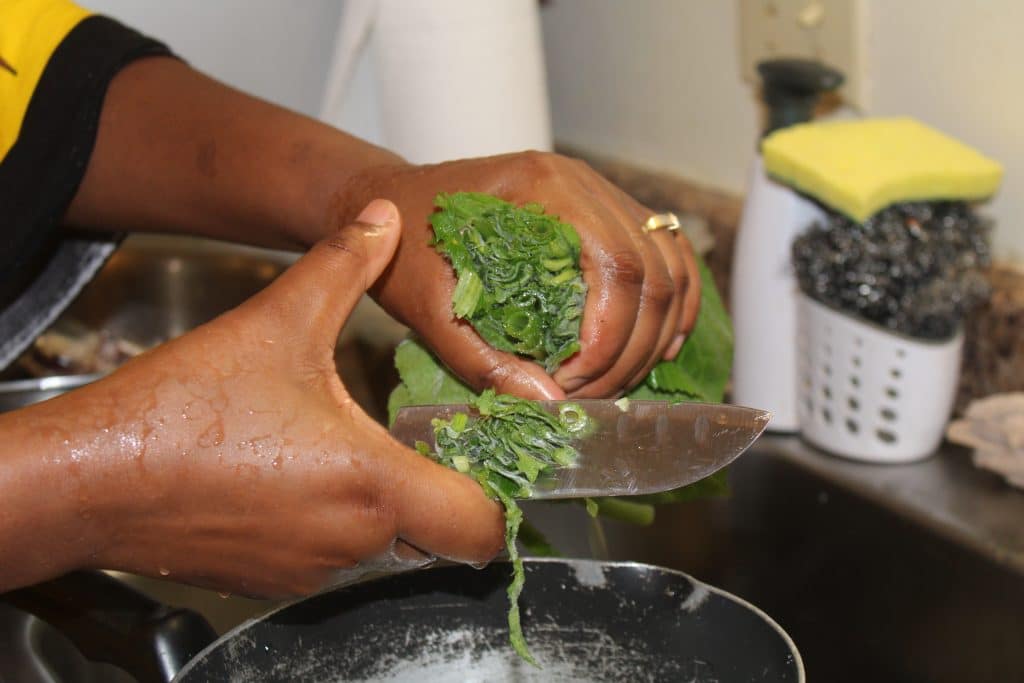
Regardless of what happens at the match on Saturday, Ritha is already happy.
For one, she gets to welcome her friends with the smells and flavors that bring them back to another time; “Each time, most of our friends, even here in Atlanta, if they want to eat Congolese [food], they come here, they feel like this is home.”
And, just seeing the DRC be part of the World Cup and put up a good fight, is a win.
“The first game that we played with Portugal, we were scared, like, oh. They will, they will mark maybe five, and we’ll be like zero, but no, we didn’t.” It was a draw, 1-1. “That was a big joy already for us. It was like winning the trophy for the world. Here in Atlanta, it’s about celebrating – whether we lose this, it doesn’t matter. You’re there.”
Author

Related Articles
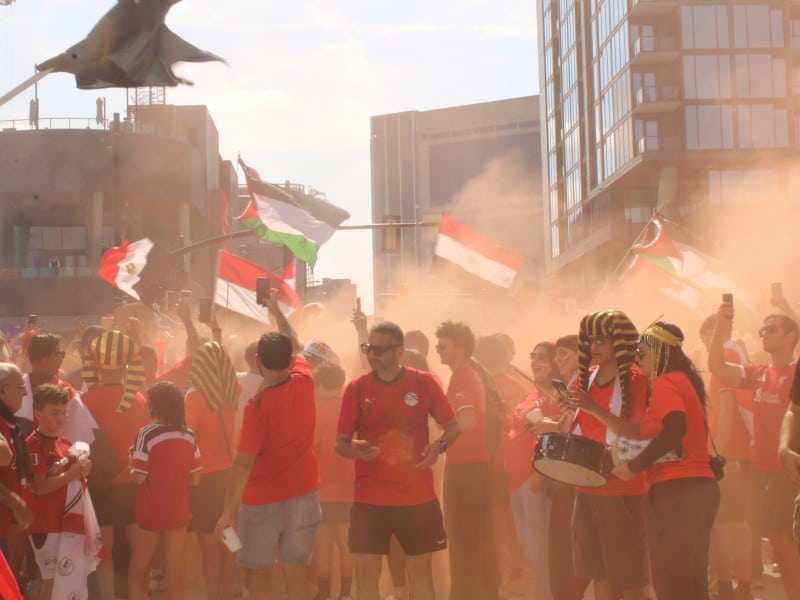
For Egypt, a historic match in Atlanta, despite a 3-2 loss
An afternoon of high and lows for Egypt fans who traveled to the Benz for Tuesday’s match against football soccer giant Argentina
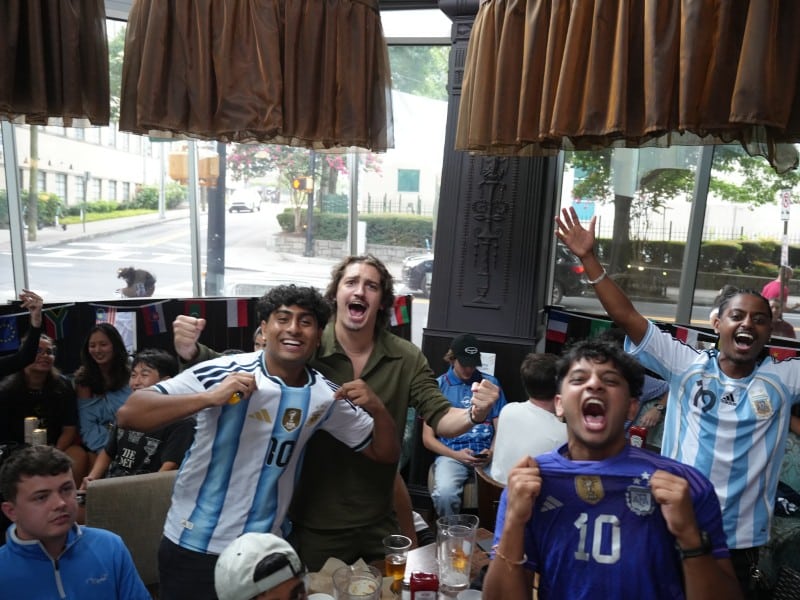
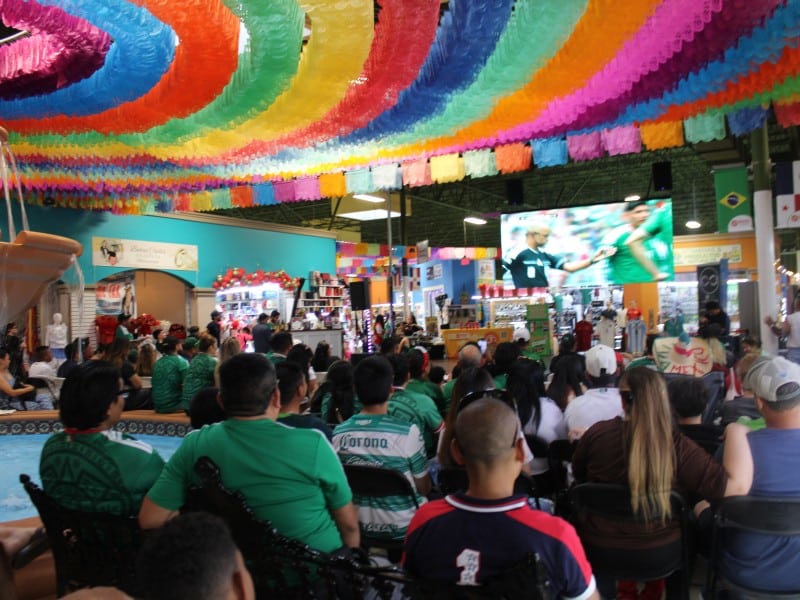
World Cup: Community members gather across metro region, cheering on for their teams
Members of the Mexican and Brazilian communities came together on opposite sides of Atlanta to cheer on their teams.