A Decatur teach-in draws attention to the world’s largest stateless ethnic group
With recent events drawing attention to the struggles of the Kurds, members of the Atlanta area’s Kurdish community are asking their neighbors to speak up.
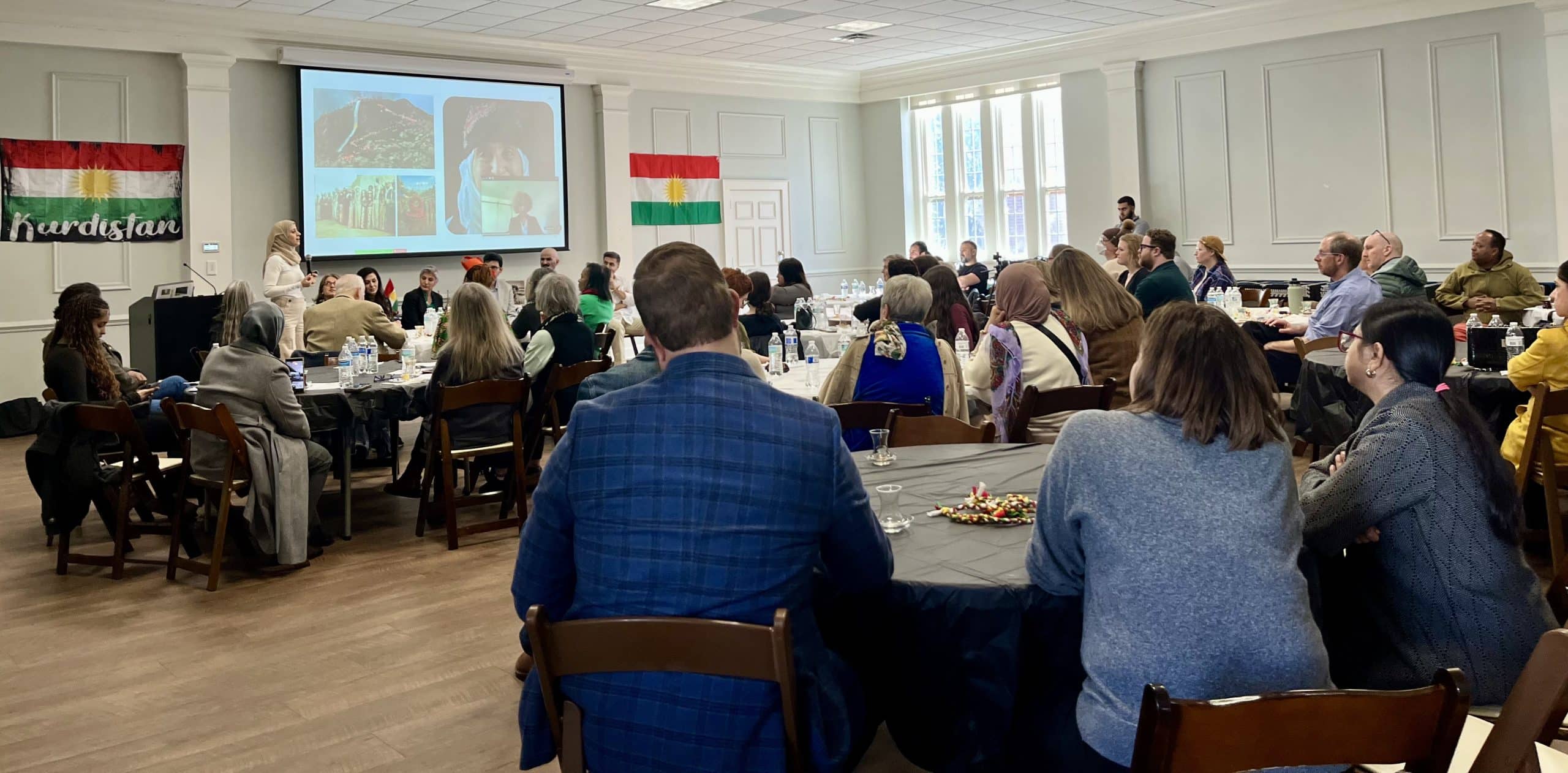
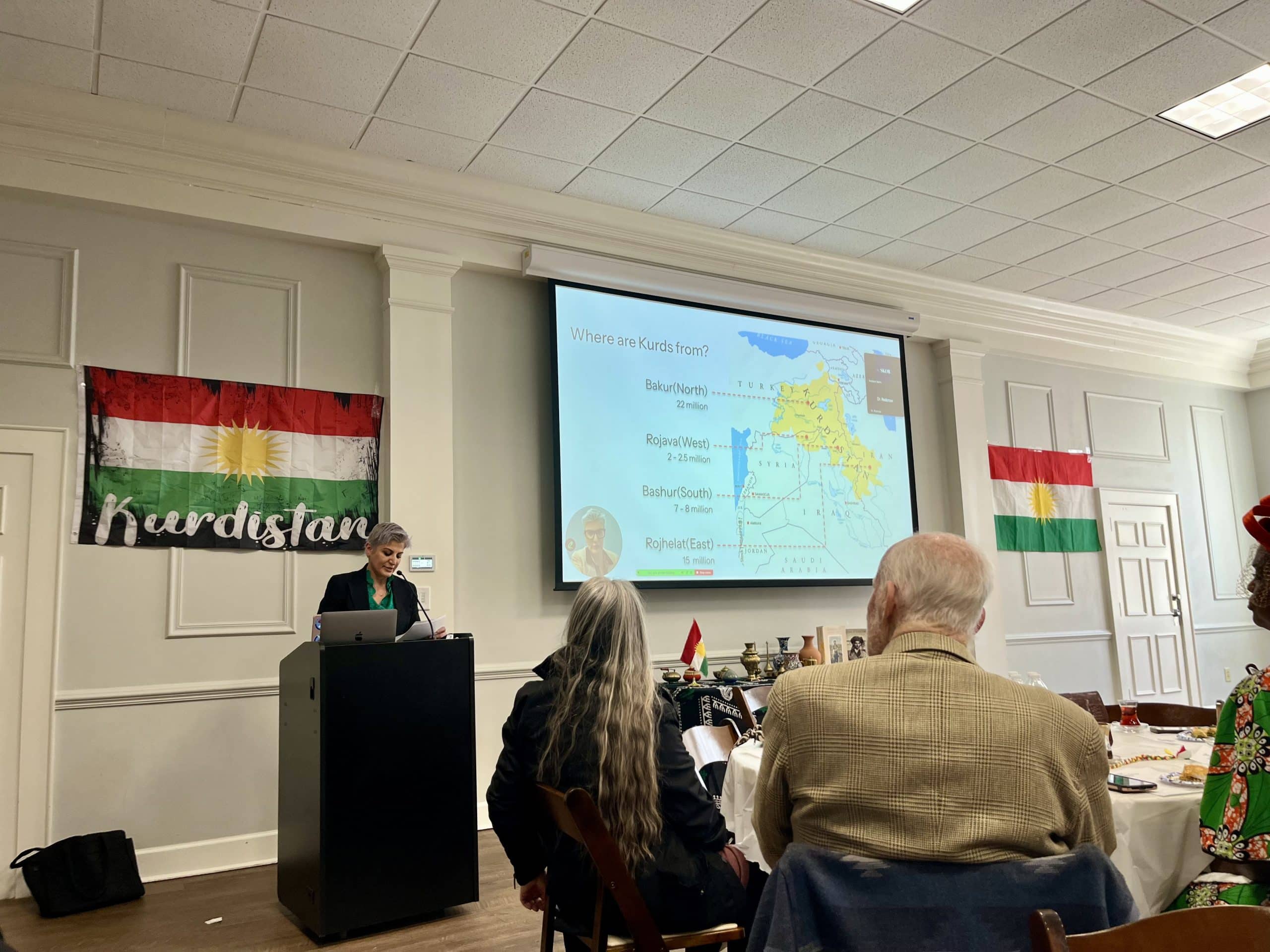
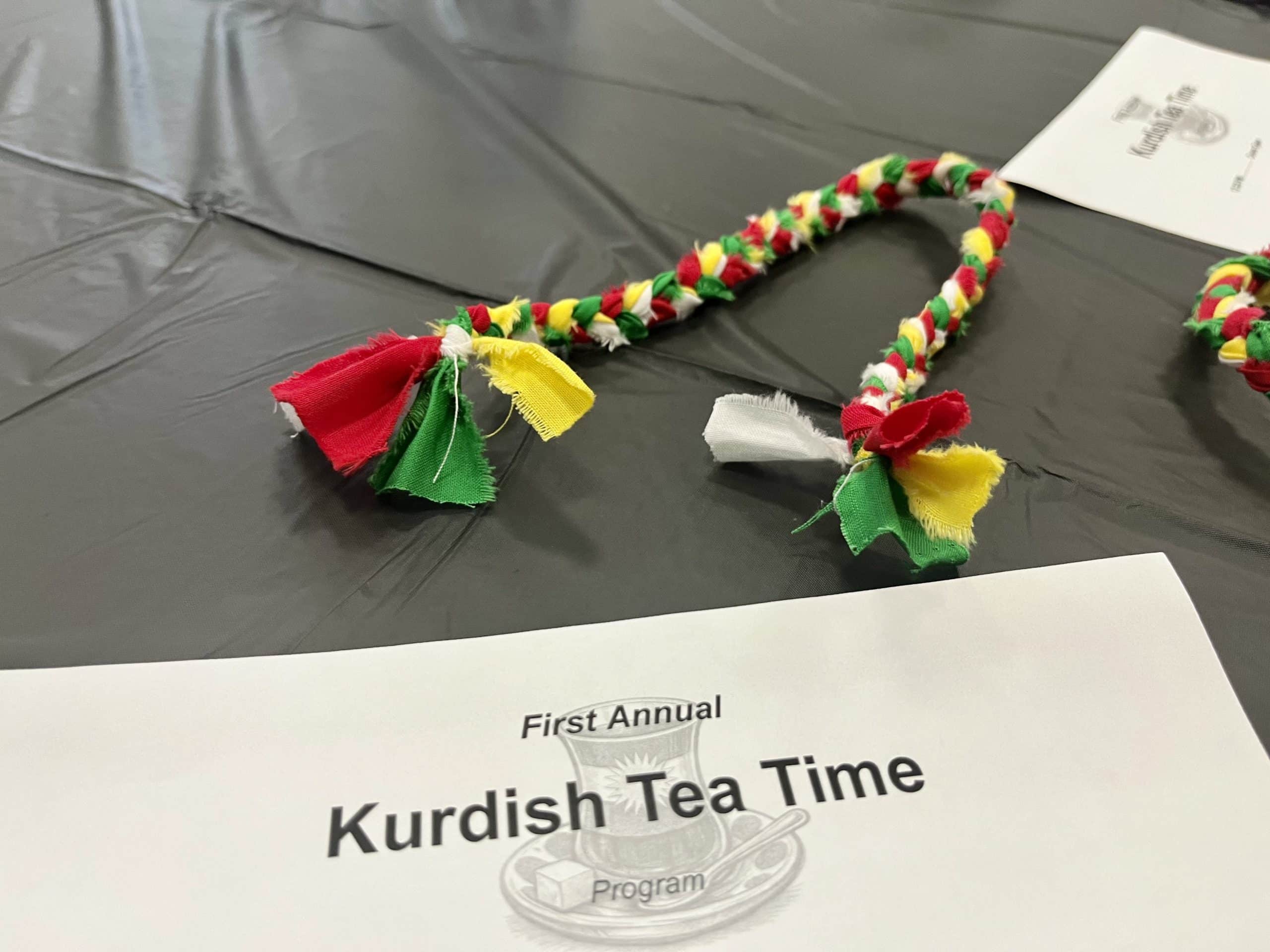
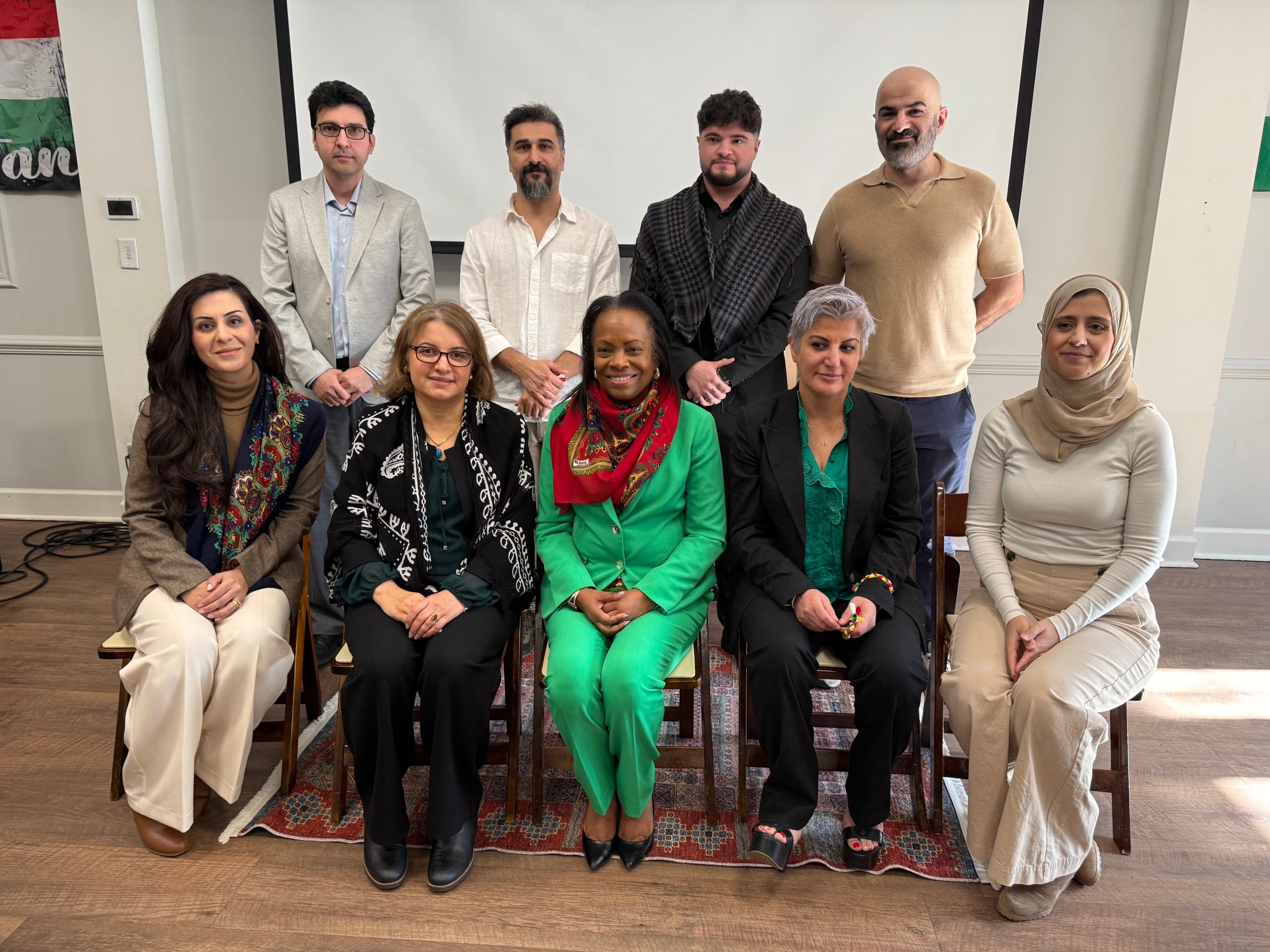
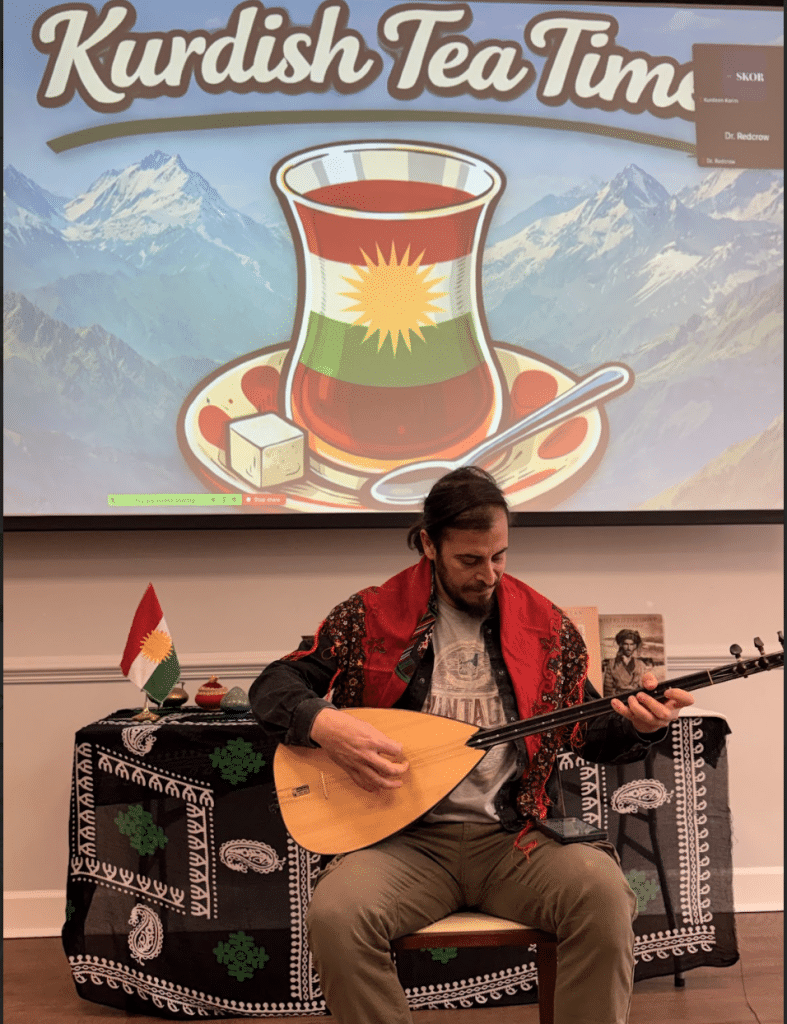
At Kurdish Tea Time, held at Decatur’s Legacy Park on Saturday, several speakers quoted the famous Kurdish proverb “No friend but the mountains”—a reference to the long-running plight of a populous ethnic group spread primarily across Turkey, Iraq, Iran, and Syria. Drawing nearly 100 people, the teach-in was inspired by recent events: In northern Syria, Kurdish-led forces have clashed with the Syrian transitional government, while Kurds in Iran have been targeted amid a wide-ranging crackdown on antigovernment protests.
“One of the catalysts was the misinformation we’re seeing online and lack of information,” said Soleen Karim, an Atlanta-based architect who organized the gathering. “When I speak to my colleagues, they’ve never heard of Kurdistan. It’s 2026 and people still don’t know that we’re the largest ethnic population without a nation-state.”
Soleen herself was born in an Iranian refugee camp, shortly after her parents fled the Kurdish-majority area of Iraq during the Anfaal genocide in 1988. She spent the first eight years of her life as a refugee first in Iran and then in Pakistan. Her family then settled as refugees in Clarkston; today, the Atlanta area is home to about 1,500 members of the Kurdish diaspora, out of an estimated 40 million Kurds globally.
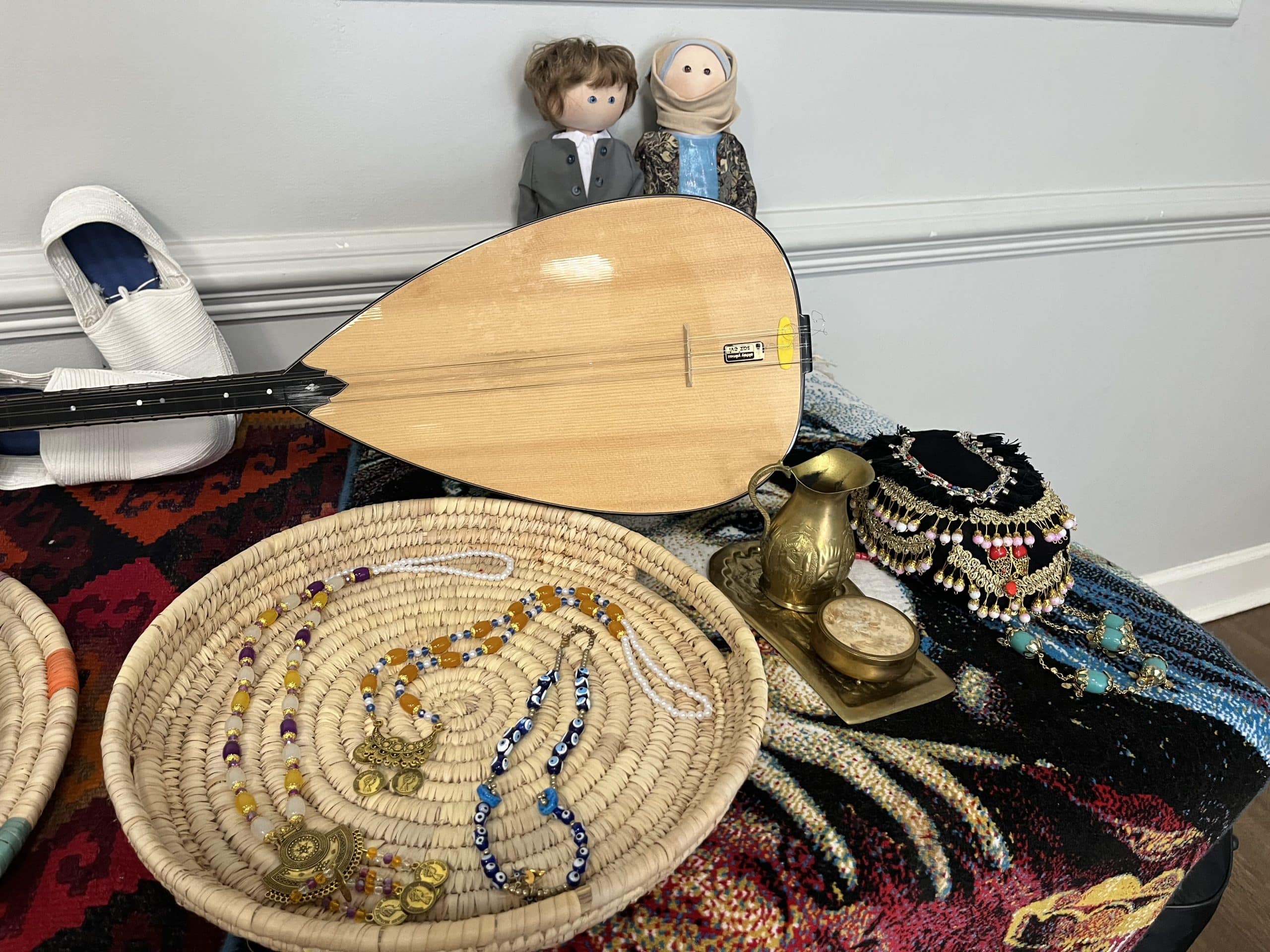
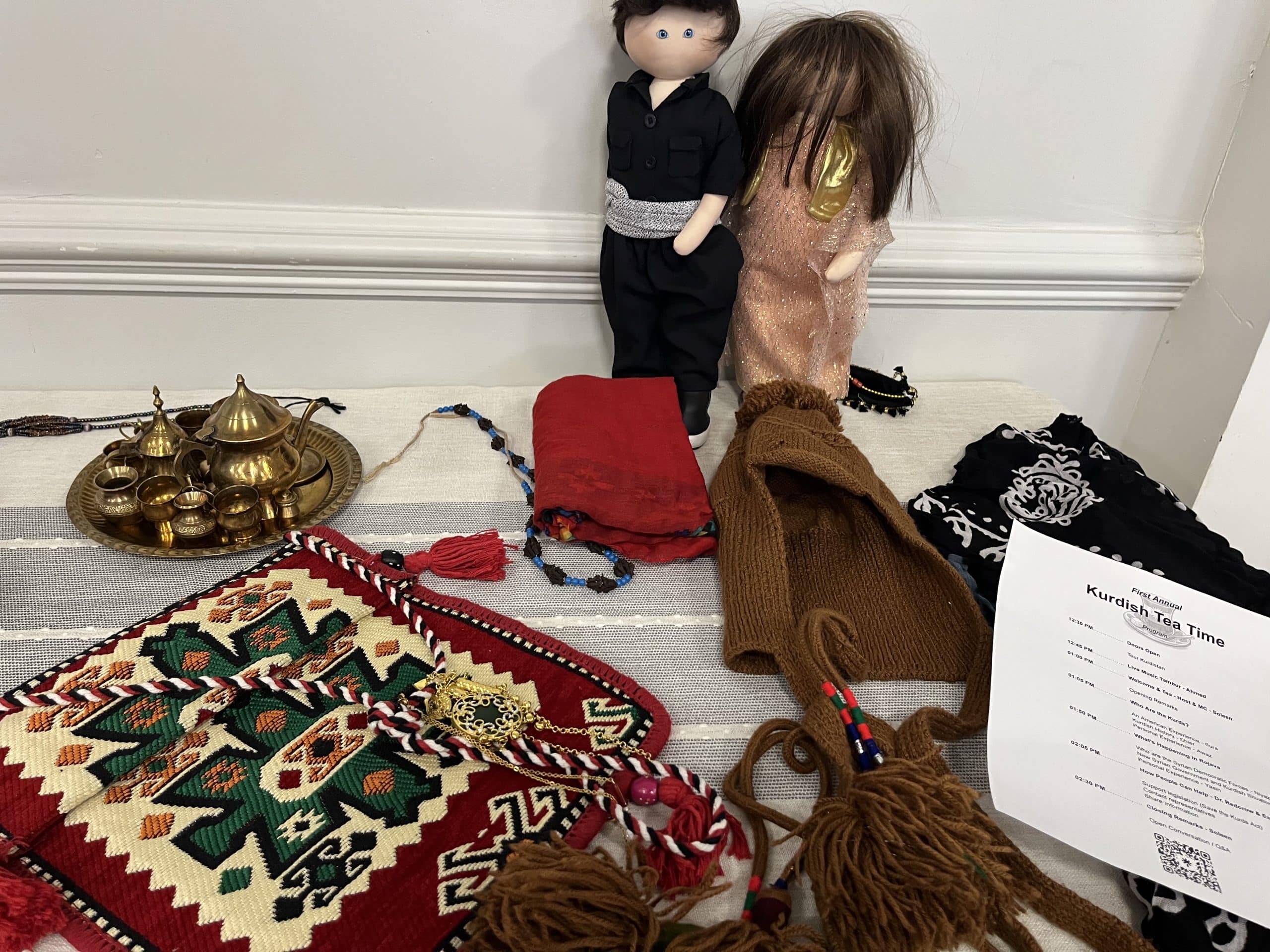
At Saturday’s event, participants sampled traditional desserts like baklava and black tea spiced with cardamom while watching performances on a tambur, a stringed instrument, and listening to history and geography lessons. Speakers talked about their experiences growing up in Kurdish-majority areas and of government efforts to “erase” their existence, language, and culture. In many countries, the Kurdish language has been banned or severely repressed, and recent efforts by the new Syrian government to grant full citizenship to Kurds—and to recognize Kurdish, alongside Arabic, as a national language—have been met with both optimism and suspicion.
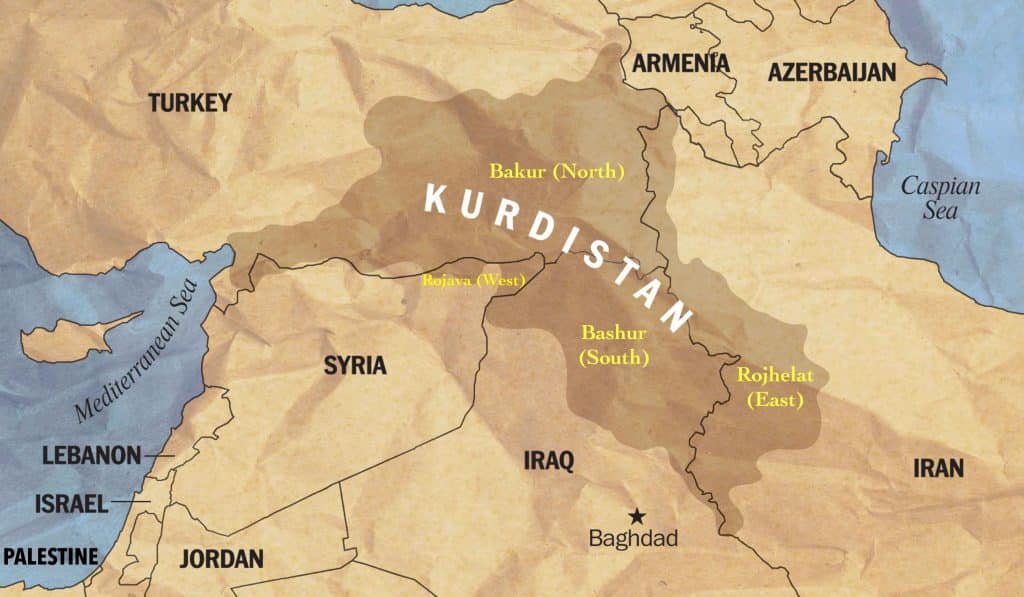
“We are called separatists, we get called terrorists by various governments, but it’s all to fight for a land, peace, some sense of stability, the ability to wear our own clothes, practice our own traditional culture, speak our own language,” Soleen said.
Speakers also encouraged audience members to support the passage of the Save the Kurds Act, introduced in January in the U.S. Senate, which threatens restrictions and sanctions on the Syrian government if it harms the Kurdish population. “The thing I needed people to take away from the event is the humanity of Kurds and to call their representatives,” Soleen said. “I know it’s so hard to do that. There are so many other concerns people have within communities here, and I totally empathize as a Kurdish American. I am a citizen of this country and my heart aches for the people here. I know it’s difficult. But an individual came up to me after the event and said ‘I think we have enough room in our hearts to make space for this cause as well.’”
Author

Related Articles
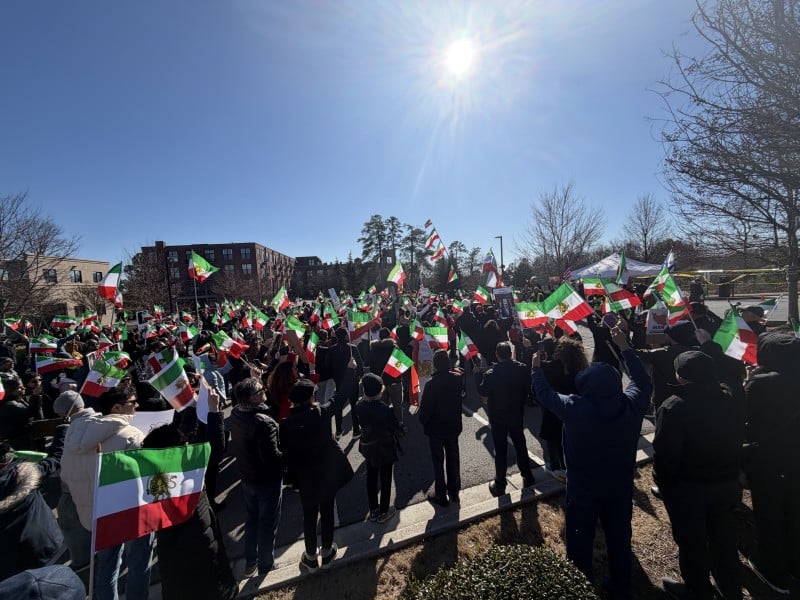
“I cannot sit around doing nothing.”
With internet access severely restricted in Iran, solidarity rallies and social media campaigns have popped up around the Atlanta metro.
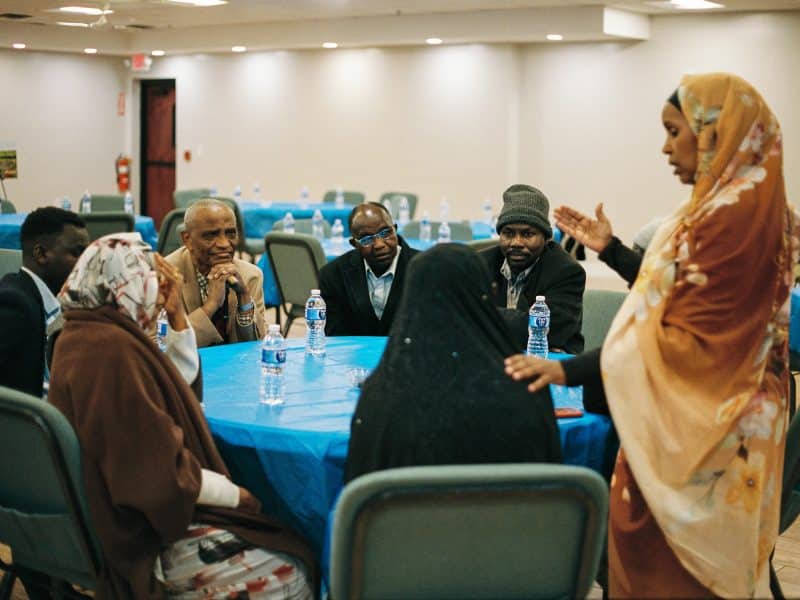
As civil war engulfs Sudan, community members in Atlanta seek to bridge divides locally
“We’re trying to engage the Sudanese professionals, the Sudanese academics, the Sudanese intellects, the guy that runs his own small business,” said one community leader.
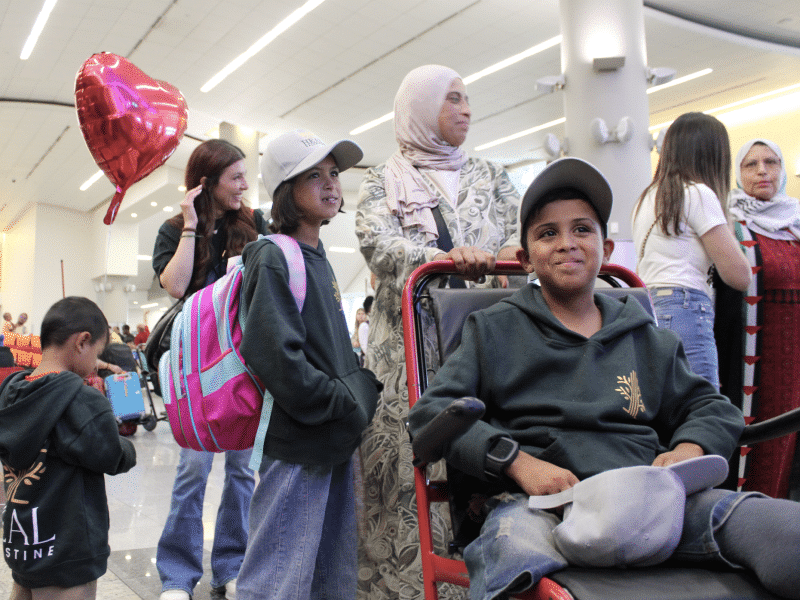
“One of the lucky ones”: Amid a child amputee crisis, a 12-year-old Gazan boy arrives in Atlanta for medical care
Yassin, who lost both his legs in an explosion in 2024, is among 11 injured children in Gaza who were evacuated for treatment in the U.S.