These are the bills impacting immigrants in Georgia that survived Crossover Day—or didn’t
Crossover Day is the make-or-break point for bills to have a chance of passing in each year’s legislative session. Here’s how a range of laws affecting immigrants fared.
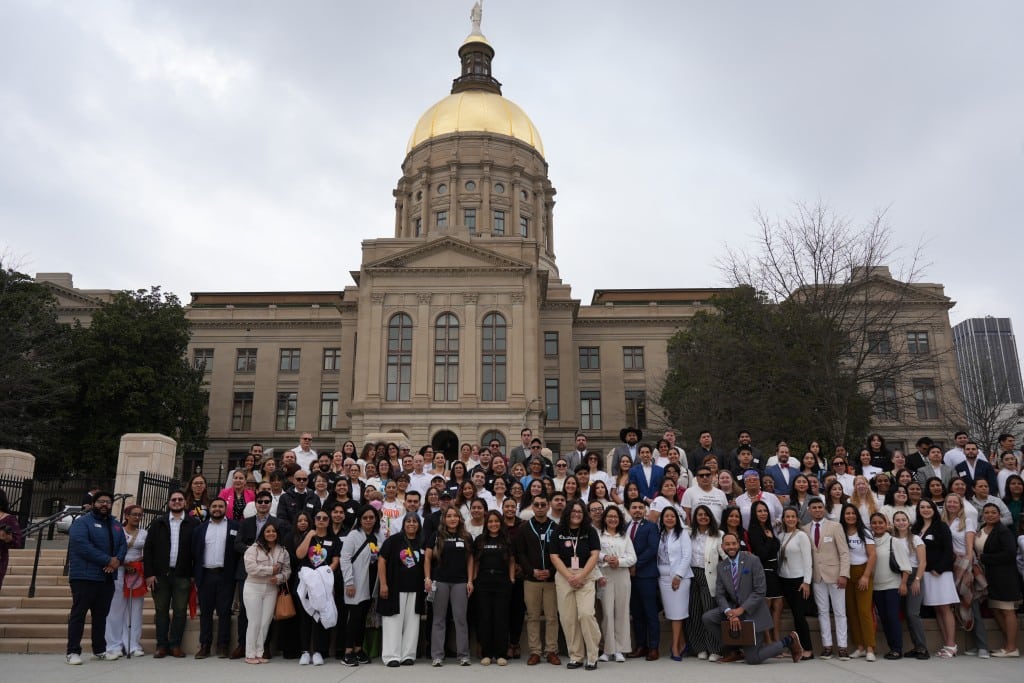
On Friday, lawmakers met at the Georgia State Capitol for Crossover Day—the point in each year’s legislative session when bills must pass out of either the House or the Senate to have a meaningful chance at becoming law. If these bills pass the opposite chamber, they may land on Governor Brian Kemp’s desk—and could be signed into law as soon as this summer.
Earlier in the session, Democratic legislators introduced bills aimed at restricting the role and actions of U.S. Immigrations and Customs Enforcement (ICE) agents in the state, but none survived Crossover Day. Georgia has the fourth most ICE arrests in the country and fifth most people held in immigration detention.
“While I’m not surprised our bills attempting to protect the dignity of immigrants did not so much as get hearings in committee, I know for a fact that people writing and calling in support has shown: significant numbers of Georgians—and voters—support immigrants,” said Representative Marvin Lim, who had introduced HB 1053, a bill aimed at increasing local police’s autonomy from ICE. Lim and local advocacy groups are still pushing for a hearing on HB 1053, and on Friday they’re hosting a town hall to address constituents’ concerns around immigration enforcement. “We feel it’s important for people to know that policies exist to address this issue so they can engage in future legislative sessions,” said Thông Phan, a senior policy associate at Asian Americans Advancing Justice–Atlanta (AAAJ-Atlanta).
285 South checked in AAAJ-Atlanta and other local civil rights and immigrant advocacy groups including CAIR Georgia, the Latino Community Fund, and Common Cause Georgia to get an update on what’s on their radar right now:
Bills that survived Crossover Day and could have a positive impact on immigrant communities:
SB 427 would make it easier for foreign-trained doctors to obtain a license and practice medicine if they meet certain requirements, including being legally present in the U.S. It’s part of an effort to address the shortage of physicians in rural areas of the state. A similar bill was introduced in a former legislative session but failed to pass.
SB 195 would allow trained pharmacists to dispense preexposure prophylaxis (aka PrEP) and postexposure prophylaxis (PEP), which help prevent HIV infection. Currently, pharmacists can dispense the drugs only after they’ve received a physician’s prescription.
“Being able to expand PEP access is really important because then they could, theoretically, lower the HIV infection rate among the Latino population in Georgia,” Jean-Luc Rivera, deputy executive director of the Latino Community Fund, explained. In 2023, researchers found rising rates of HIV infection among Georgia’s Latino communities.
Bills that crossed over that could harm immigrant communities, according to advocates:
SB 116 proposes collecting DNA samples from anyone in detention charged with a misdemeanor or felony who is subject to an immigration detainer notice from ICE. The proposal lowers the threshold to collect samples with people charged with a misdemeanor and ties it to their immigration status, said Kyle Gomez-Leineweber, policy director for the nonprofit Common Cause Georgia. Under current law, DNA samples are only collected to those charged with a felony.
SB 442 would change the requirements on commercial driving licenses (CDLs). If signed into law as it’s currently written, the bill would allow the state to revoke a CDL if the driver is a noncitizen and their legal status in the U.S. changes or ends. For noncitizens seeking to renew their CDL or transfer their license to Georgia from another state, the bill would require that they take the knowledge and skills test again.
“It’s going to essentially make it harder for noncitizens to maintain or acquire their commercial driver’s license—people who are driving semi trucks—and because of that, it’ll also have an impact on the supply chain and the local economy because it will eventually end up being a shortage of drivers,” Jean-Luc said.
HB 947 would increase verification requirements to be eligible for SNAP—aka food stamps. The bill’s sponsors say this would reduce error rates in applications, which are often caused by unintentional mistakes made by applicants or caseworkers. Under current federal law, only citizens and some permanent residents are eligible to receive SNAP benefits. Under HB 947, all members of the household where the applicant lives would have to verify their immigration status.
“This bill is unaligned with federal policy, and making the citizenship verification process more strict would actually kick eligible people off SNAP, create confusion, and increase error rates in SNAP applications and recertifications,” said Murtaza Khwaja, executive director of Asian Americans Advancing Justice–Atlanta, in a social media post.
HB 963 would stop “foreign nationals” from contributing to or participating in ballot measure campaigns. The bill defines “foreign national” as “not a citizen or lawful permanent resident of the U.S.,” and also considers certain businesses and political parties in this category. Groups like Common Cause Georgia say that the “language is so broad that it will silence lawful community participation and penalize nonprofit civic engagement in Georgia.” The proposed law, explained Kyle, “has the potential to prevent people in our communities from speaking out and taking action on the issues that impact them.”
Bills that never got a hearing—which some advocates are marking as a win:
HB 1158, which CAIR Georgia opposed, never got a hearing. The bill mandated that Georgia officials use the term “Judea and Samaria” to refer to the West Bank.
HB1124 and SB 375, which advocates at Asian Americans Advancing Justice–Atlanta and CAIR Georgia said would have had a chilling effect on criticism of Hinduism or India’s Hindu nationalist government, also didn’t get a hearing.
SB 486 and HB 1369, which CAIR Georgia also opposed, was aimed at stopping the enforcement of “foreign law” in the state. One sponsor was State Senator Greg Dolezal, who is running for lieutenant governor and who last week posted a campaign video to Facebook promising to “keep Georgia Sharia-free.”
Authors

Related Articles
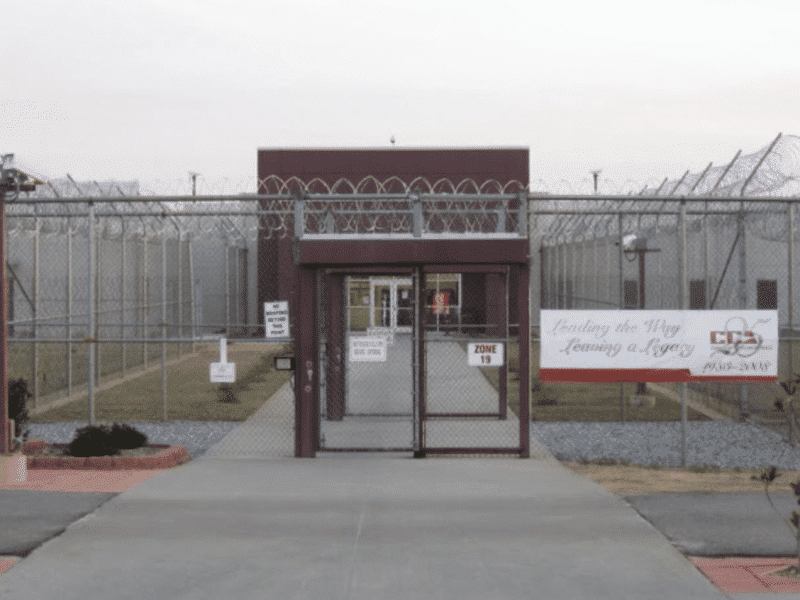
Rodney Taylor struggles to use his wheelchair and prosthetic legs as health deteriorates in immigration detention, says family
Advocates and family members of Gwinnett County resident held at Stewart Detention Center, travel to Washington D.C. to raise the alarm on his case.

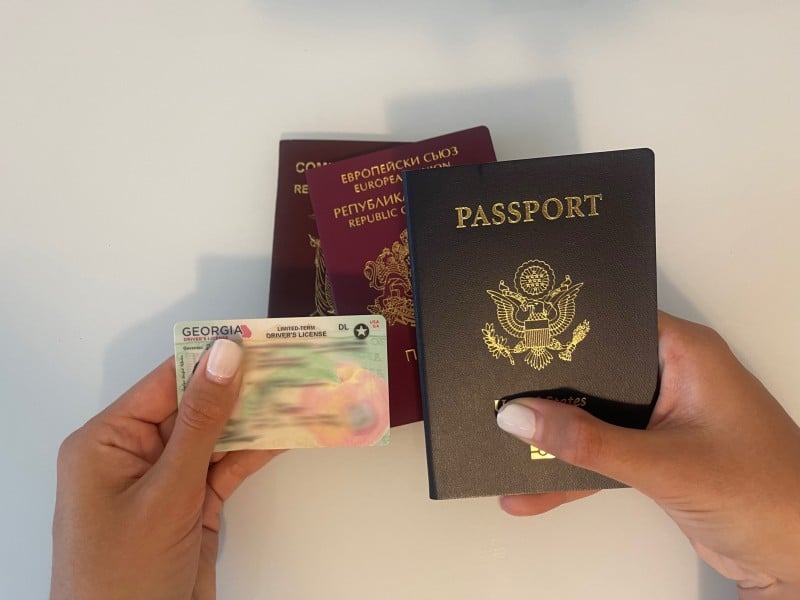
If you’re not a U.S. citizen, you may be asked for proof of your status here. What kind of documents should you be carrying?
Federal agents recently fined a green card holder for not having his papers with him—sparking questions about what kinds of documentation immigrants should be prepared to show. 285 South sought out three local lawyers for guidance.