Venezuelans deported grapple with new realities in their country, amid earthquake aftermath and political upheaval
One former GA resident, now back in Venezuela, shares his story.
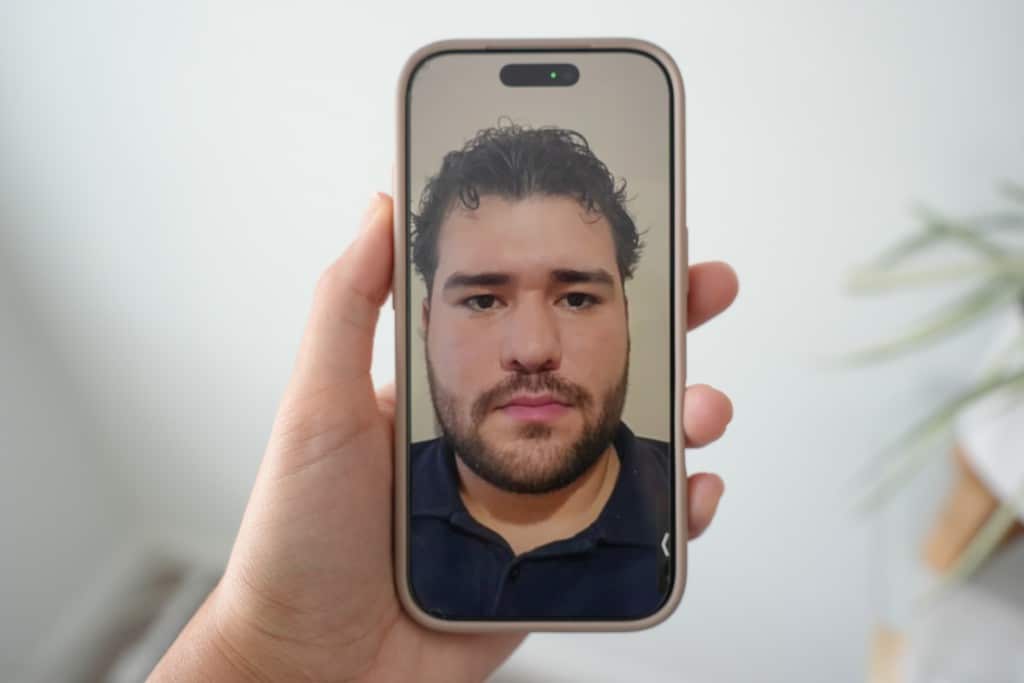
When Luis was 19 years old, he decided he couldn’t take it anymore.
It had been five days in his hometown of Maracaibo in Venezuela that he hadn’t had power. Affecting most states in the country, the outage caused the loss of water and internet, and there were reports of looting, both in Maracaibo and elsewhere. To survive, his building relied on its water tanks, rationing the supply available to residents to about one hour per day.
It wasn’t just the five-day period, though; the blackout followed years of political instability in the country, triple-digit inflation, and massive protests against the repressive government of President Nicolás Maduro, in 2014 and again in 2017.
For Luis, it was time to go.
“Eso fue la gota que derramó el vaso en mi caso y pues ya yo con mucho tiempo queriendo irme pues ya dije no! Sabes que, ya no aguanto más,” he said. That was the last straw for me. I’d been wanting to leave for a long time, so I just said, “No! You know what? I can’t take it anymore.”
An engineering student at the time, he dropped out of school, got on a plane, and made it to the U.S. Entering the country on a tourist visa, he landed in Georgia, then overstayed his visa. Then he applied for asylum.
In the process, he made a life for himself here. For a couple weeks, he crashed with a childhood friend in Woodstock, before he was able to get restaurant work and move into his own place. After three months, he found a better job with a construction company, where he began learning about budgeting, project management, and sales. He learned how to drive.
He started to build out his social life too. Luis became involved with a Christian church in Marietta. He made friends at the church, and volunteered five days a week mentoring younger parishioners. He even played guitar in the band. And he met the person he thought would be his life partner, a woman from El Salvador.
Everything changed, though, on a Saturday morning in the fall of 2024. Luis (who asked us to use his first name out of fear of being targeted by the Venezuelan government) was driving to church when he was pulled over for speeding. He got a traffic ticket that he couldn’t afford to pay; he’d recently been laid off and was looking for a new job. Attending a court date, he explained his situation to a judge who ordered probation. But when Luis missed two probation check-ins—he’d been wrapped up in his financial troubles—he was issued an arrest warrant.
On May 15, 2025, he was headed to another church activity when he was pulled over after missing a stop sign. He was detained after the officer found that he had an outstanding warrant—and then, after it was discovered that he was in the country on an expired visa, and with a pending asylum case, transferred to the custody of U.S. Immigration and Customs Enforcement (ICE). Luis spent nine months in Stewart Detention Center before being deported in February of this year.
Luis is one of thousands of Venezuelans grappling with the new reality of being back in the country after being deported this year. Between January and June of 2026, a total of 65,105 Venezuelans have been ordered deported, according to data from the Transactional Records Access Clearinghouse (TRAC) at Syracuse University, which collects federal immigration data obtained through Freedom of Information Act requests. In Georgia, a third of those in ICE custody are from Venezuela, according to data from the Deportation Project analyzed by the Atlanta-Journal Constitution.
***
If the country that Luis left at age 19 was in disarray, the Venezuela that he was deported back to at age 26 is in even worse shape: In June, two massive earthquakes hit the country, leaving thousands of people dead and tens of thousands homeless.
Luis hoped to help out as a translator for earthquakes relief efforts, but decided not to after seeing media reports that volunteer translators were being persecuted by state forces. “Ya vengo de pasar por esto,” he said. “No me quiero volver a meter en una situación así otra vez.” I’ve already been through this. I don’t want to get into a situation like that again.
Earlier this year, the United States military entered Venezuela and captured its authoritarian leader, Nicolás Maduro, who is now in custody and awaiting trial in New York on “narco-terrorism” charges.
Luis was deported in February, just a month after Maduro’s capture. Rather than being sent straight back, he was deported to Mexico, and had to figure out how to make his way home from there. Luis’s Venezuelan passport had expired, and the country doesn’t allow people in without valid documents, so he couldn’t fly home directly. He bought a plane ticket to Colombia, then entered Venezuela on foot at the border, then took a seven-hour (bus ride) back to his hometown: Maracaibo.
The Maracaibo he encountered had changed in some ways—there were some new buildings and new businesses—but the situation was still bad, he saidThe economic crisis that has spurred roughly 8 million Venezuelans, including Luis, to flee the country hasn’t gotten any better. The political situation remains unstable: The current government is led by Delcy Rodriguez, who was part of the Maduro regime. Last month, the U.S. Embassy in Caracas announced that Rodriguez’s administration will begin conversations with representatives from the 2015 National Assembly—the last democratically elected Congress—to begin a “reconciliation and democratic rebuilding” of the country.
For Luis, that process is going to take too long.
“Esta famosa transición no es de la noche a la mañana, esto va a tomar demasiados años y no quiero quemar más años de mi vida,” he said. ” This famous transition doesn’t happen overnight. It’s going to take a great many years, and I don’t want to burn through any more years of my life.
Luis is looking for a job, but prospects are dim, and he doesn’t have much money to his name: Because he was deported unexpectedly, he couldn’t make any plans to get his affairs in order, so he lost his car, clothes, electronics, and furniture—about $15,000 worth of belongings, he estimates. “Yo al final perdí todo, todo lo que hice allá en en todo lo que hice ya en términos material. Así, como me fui hace siete años, así mismo regresé,” he said. In the end, I lost everything—everything I had built there in material terms. I returned exactly the same way I had left seven years ago.
Most of his friends still live in Georgia, so restarting his life in a country where he hasn’t been for years has been challenging—most of his high school and childhood friends have left the country “Me quedan tres amigos,” he said. “De 100 personas que era nuestra promoción, diría que si hay 20 personas aquí en Venezuela es mucho.” I have three friends left. Out of the 100 people in our high school graduating class, I’d say that if there are 20 people here in Venezuela, that’s a lot. He is also trying to connect with a local church, but hasn’t found one that resonates with him.
Struggling to see a future in Maracaibo, Luis is taking steps to get himself equipped by the time he decides to emigrate again. He reenrolled in college to complete his degree in industrial engineering, hoping to work in the oil industry after graduating. He speaks English, Spanish and French, so he will look for job opportunities abroad. He’s living with his parents in order to save money.
Although he is happy to be reunited with his parents, he still feels like he left his home—Georgia—behind. For now, he is focusing on completing his degree, but one thing he has clear now is that he doesn’t see himself in Venezuela in the long run.
“Mis expectativas con respecto a lo que yo quiero tanto para mi vida como lo que puedo ofrecerle a mi familia, no es algo que estoy viendo aquí,” he said. My expectations regarding what I want for my life, as well as what I can offer my family, are not something I see here.
Author
Related Articles
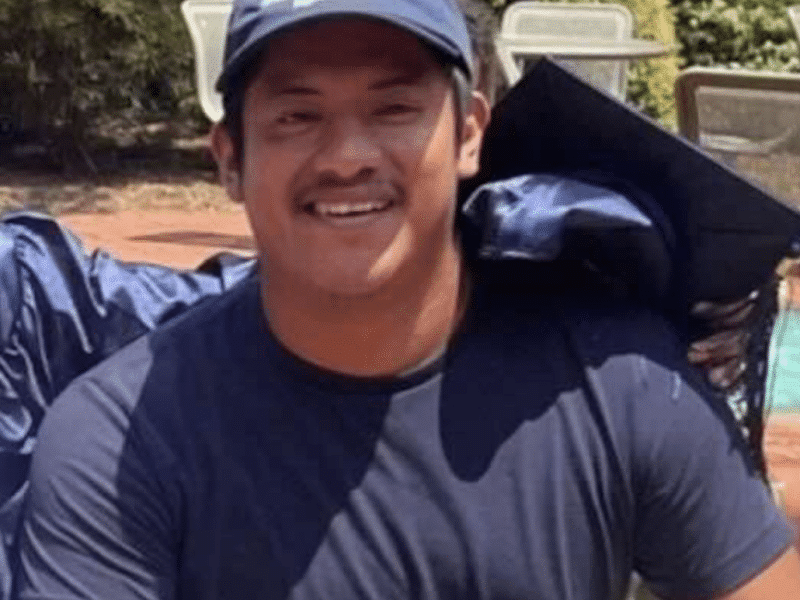
29-year-old dies after weekslong stay in Georgia immigration detention center
Prisciliano Trejo, who had leukemia and had been in ICE custody, died on July 24.
“We believe that God will make a way for us, whether here in America or somewhere else”
As Temporary Protected Status for Haiti expires, a Lawrenceville pastor is comforting his community, amid reports of self deportations and job cuts
“I didn’t expect it to happen in my family.”
A flurry of homemade videos points to a summer uptick in immigration arrests in the Atlanta area