
Back in El Salvador, journalist Mario Guevara speaks about future of MG News in Atlanta
As MG News focuses on international news, staff in Atlanta is unsure about the future of the outlet
Swinging on a hammock in El Salvador, journalist Mario Guevara looks thinner—he lost 30 pounds while spending over 100 days in immigration detention in the U.S. Arrested on June 14 while covering a Stop ICE protest in DeKalb County, Mario was charged with unlawful assembly, obstruction of police, and being a pedestrian on or along the roadway. Although those charges were eventually dropped, Mario was transferred to ICE custody and spent the next three months in detention.
On October 3, he was deported to El Salvador and spoke with 285 South over video call just a few days after. Since landing in his home country, Mario has recounted his time in detention in dozens of interviews with international media. He said he plans to resettle in the San Vicente area; he’s also had time to think about plans for his news outlet MG News.
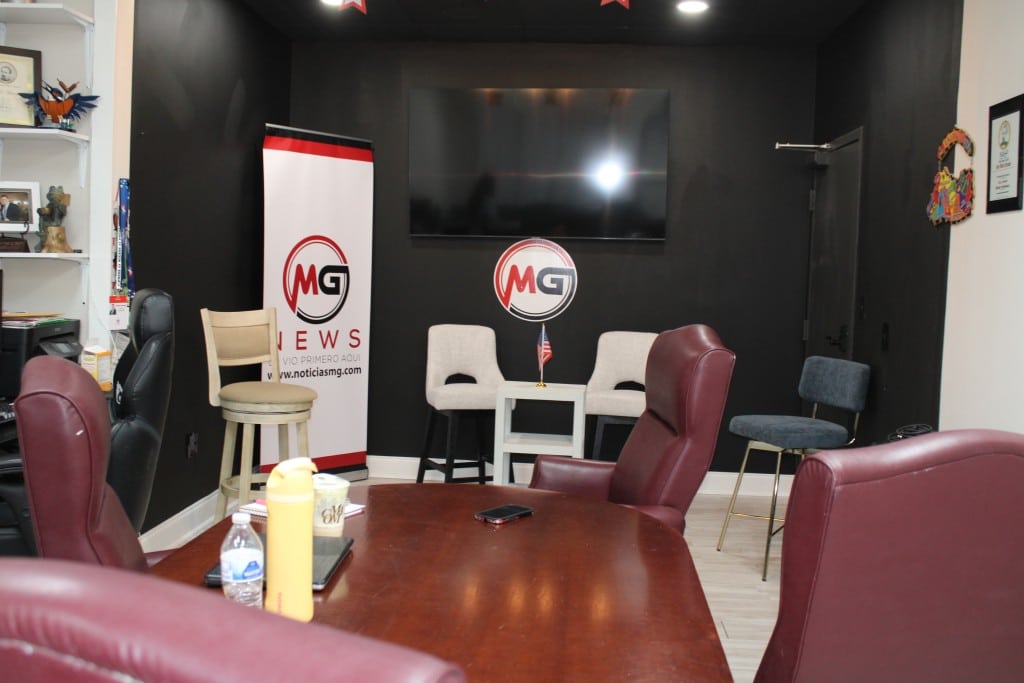
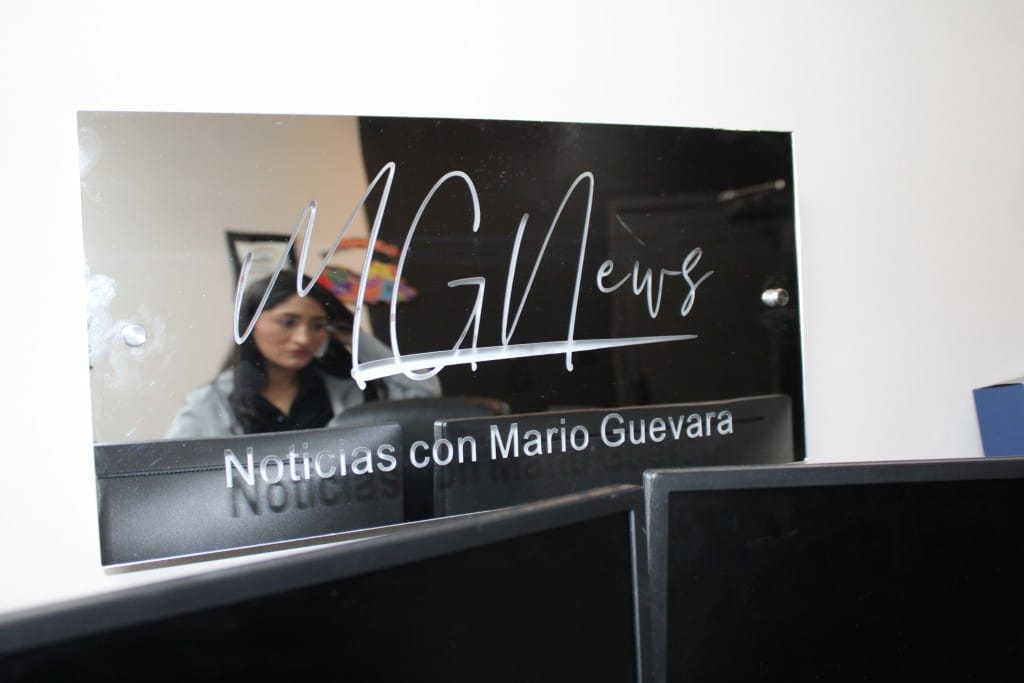
The future of his newsroom in Atlanta—whose staff (none of whom are full time)consists of one reporter, Alondra Madriga a photographer, Mario’s son Oscar; a salesperson, and a freelance writer—is now uncertain. He started MG News outlet a few years ago, gaining followers on his Facebook page as he tracked and reported on ICE arrests around the Atlanta area, mostly through live streaming.
After his detention, Mario said, MG News’ advertisement revenue decreased by about 70 percent, and he’s trying to attract his previous clients and new ones to revamp operations. In the meantime, he’s shifting focus, with plans to publish stories about some of the people he met in ICE custody who have also been deported back to Latin America. He is also writing a book about his experience as the first journalist detained by ICE on U.S. soil and deported.
“I believe in press freedom,” he said. “Maybe in the United States I didn’t have the same rights as an American journalist, and that’s why I was deported. But here in El Salvador I can still do journalism and I will continue to report injustices.”
In Atlanta, Mario’s small team will cover feature stories and community events, he said. Alondra Madrigal joined MG News in February—it’s her first job in journalism—and Mario planned to train her to cover ICE activity, but her training was cut short. “I’ve been bawling my eyes [out],” she told 285 South. “I’ve been so sad because I’m like, how am I going to learn? How’s he going to teach me? It’s been so sad, so emotional for me. He was a really good teacher to me.”
Alondra still comes to the MG News office in Tucker, where they have a lease until the end of the year and some remaining equipment; Oscar brought a lot of it to El Salvador when he visited his dad last weekend. But it’s been pretty quiet. She said Mario still hears about tips on ICE sightings throughout the metro area, which they occasionally republish, but she hasn’t been reporting on any enforcement actions herself since his detention. Mostly, she said, tips are being shared informally through Instagram or Facebook groups.
“Like this past Saturday or Friday, there was a checkpoint in Cobb County, and I didn’t even know about it until I saw it on Instagram,” Alondra said.

Though there are mixed opinions among the Hispanic community, many of his followers share the same sense of loss about Mario’s departure—they relied on his reporting, which often included his own commentary, to make daily decisions. “I have a lot of texts from people telling me that now they leave their homes and don’t know if they’re going to find federal agents in their commute,” he said. “Before, they watched my profile and knew which routes to take.”
An international focus
From El Salvador, Mario said he would continue working on stories related to ICE through an international lens. While he was in detention at Folkston, he interviewed dozens of detainees and documented their stories and allegations of mistreatment against them. With pen and paper, he sat down with the men in the common areas and listened for hours to their stories.
“Vamos a denunciar lo que está pasando en los centros de detención de ICE,” he said. We’re going to denounce what is happening in ICE detention centers.
Alongside another reporter based in El Salvador, Yaris Murcia, Mario has plans to travel to Mexico, Nicaragua, Guatemala, and Colombia to interview some of the men he spent time with, to see how they’re settling back in their home countries. “They told me their stories, and I told them that when I was released from detention, I would publish them,” Mario said.
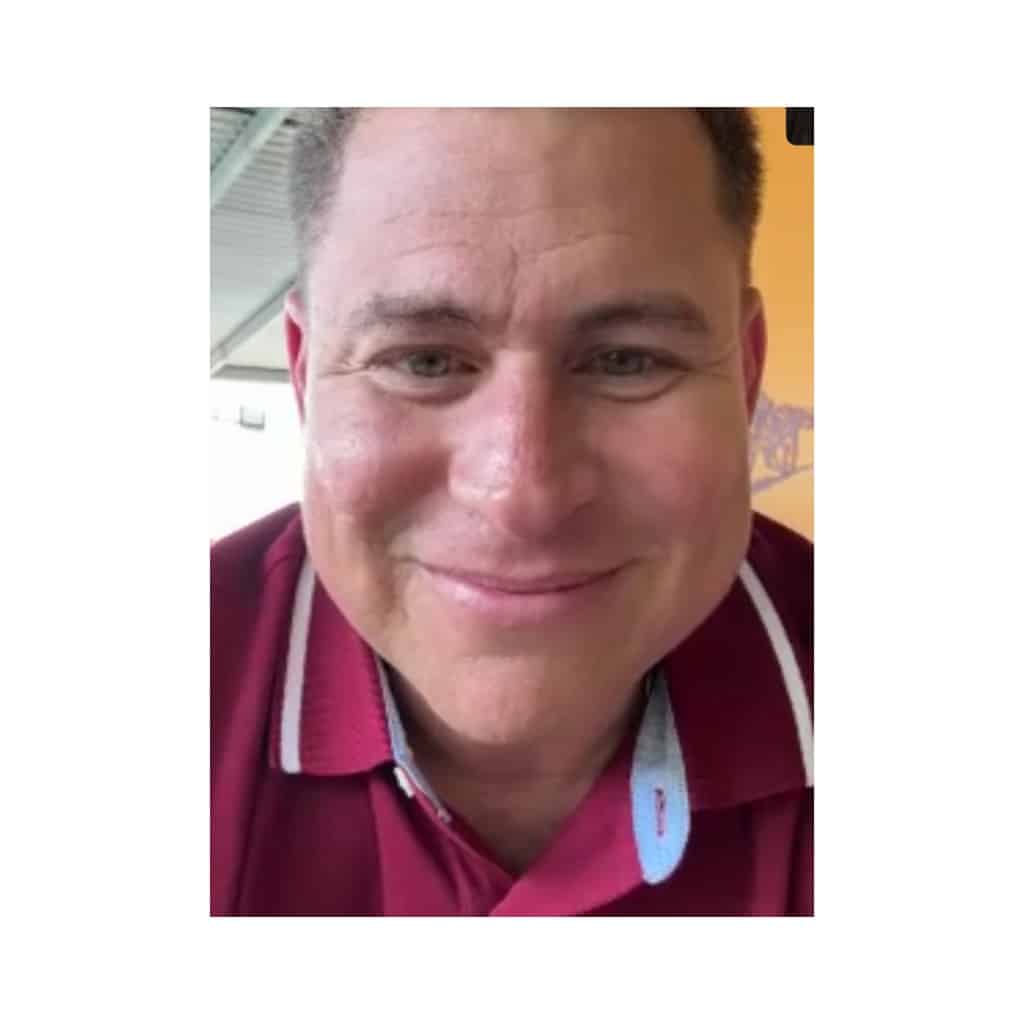
After a week of being in his home country, Mario said he is happy to be finally out of detention. But he’s also heartbroken, he said, to be separated from his wife and daughter, who are still living in Atlanta.
“I don’t resent the government of the United States,” Mario said. “I still think I was unfairly deported, but I forgive the government because the United States allowed me to fulfill my American dream, have two kids born in the U.S., and I raised them in a safe environment.”
Mario says he still hopes to return to Atlanta but has yet to meet with his attorneys to work on a new strategy.
Back in Tucker, Alondra said she’s not sure what she’ll do. “I’m just trying to see how I’ll fit in the picture,” she said. “The situation has really put me in a place where I’m like, do I want to continue doing this?” And, she said, “at the same time, I feel so called to do something for my community, for my Hispanic community, for immigrants, because you see so much going on, it’s just, it’s not right.”
Authors

Related Articles
A Rohingya man in New York died under mysterious circumstances— his relatives in Georgia are grappling with the loss
Federal immigration officers left Nurul Amin Shah Alam outside a closed coffee shop in harsh winter weather— days later he was found dead. He was getting ready to move to Georgia, says his niece in Stone Mountain.
“Our family was destroyed. We’re piecing it back together,” says Adalina, whose husband was deported to Peru
After months apart, a metro Atlanta resident decides to leave the U.S., apply for Peruvian citizenship and join her husband in Peru—at least until a new administration takes office. As she prepares to leave the U.S., she is finding support in her Atlanta friends and community.
“I love this country (…) and I just ask to be treated fairly,” says Rodney Taylor from Stewart Detention Center where he is facing deportation
Gwinnett county resident and double amputee issued travel documents signaling imminent removal to Liberia, as his health continues to deteriorate.