A Dekalb County mom—a plaintiff in a birthright citizenship case—celebrates Supreme Court ruling
Andrea was pregnant when President Trump issued an executive order redefining U.S. citizenship. She joined a lawsuit seeking to protect the 14th Amendment.
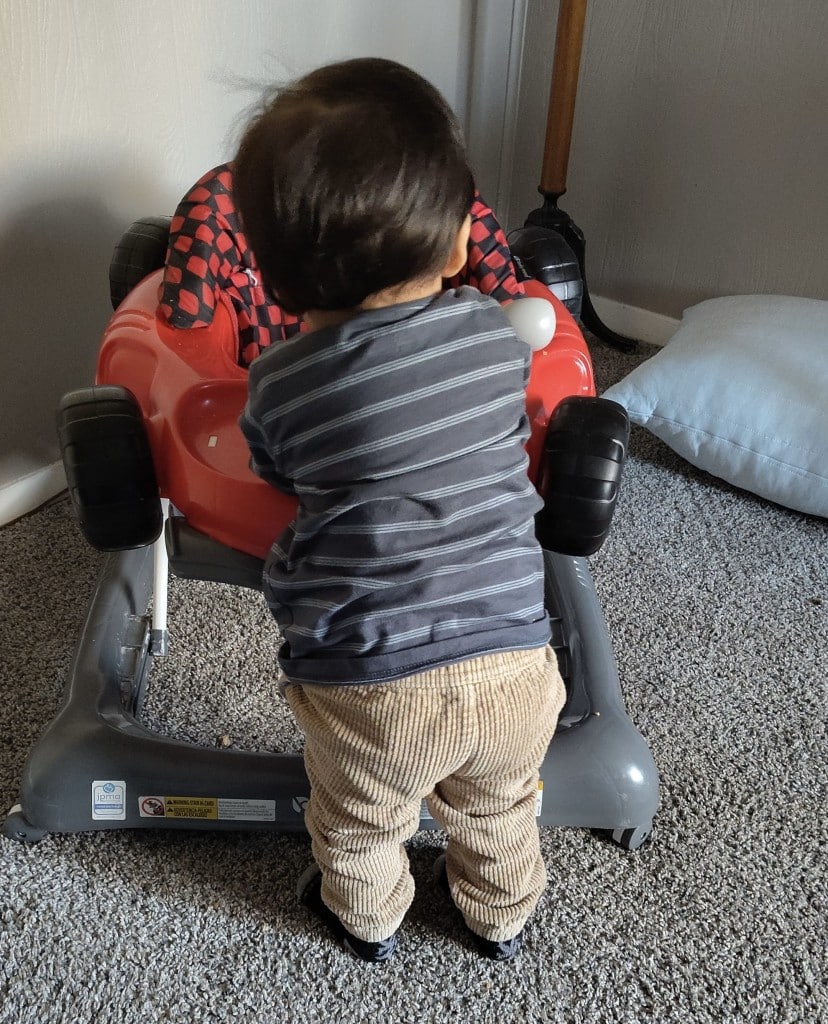
On Tuesday afternoon, Andrea was at home in DeKalb County taking care of her one-year-old son when she received the phone call she’d been waiting for. It was from Alberto Feregrino, a lead organizer for the immigrant advocacy nonprofit We are CASA in Georgia. The U.S. Supreme Court, Alberto told her, had just issued a long-awaited decision upholding the constitutional right to birthright citizenship—good news for many immigrants and their supporters, and good news for Andrea personally.
“Me llamo Alberto y me dijo que habíamos ganado y que era un logro más para la asociación,” she said. Alberto called me and told me we had won and that it was another win for the group.
In a 6-3 ruling, the Supreme Court had rejected a 2025 executive order by President Donald Trump seeking to end birthright citizenship—a right written into the 14th Amendment, and previously considered a settled matter, that anybody born on U.S. soil is automatically a citizen here, regardless of the immigration status of their parents.
Just last year, Andrea—who was born in Mexico and asked to use a pseudonym because she doesn’t have legal status in the U.S.—became a plaintiff in another case challenging the executive order, which would have granted citizenship only to newborns with at least one parent who is a U.S. citizen or lawful permanent resident. Every year, over 255,000 babies are born on U.S. soil to parents who have temporary immigration status or are undocumented. If birthright citizenship had been terminated, over 2.7 million people could have been without legal status by 2045, according to the Migration Policy Institute, creating “a self-perpetuating, multi-generational underclass.”
Andrea, a CASA member who regularly participates in education workshops organized by the nonprofit, immediately said yes when, in January 2025, Alberto asked if she wanted to be a plaintiff in the suit. Around seven months pregnant at the time, she worried that the order—intended to go into effect within 30 days of being issued—risked depriving her child of U.S. citizenship.
“Fue un placer haber apoyado porque gracias a eso todos los niños tienen sus derechos aquí, su ciudadanía,” she said. It was a pleasure to offer my support, because thanks to that, all the children here have their rights—their citizenship.
For about six months, she sat in monthly virtual meetings with attorneys who explained the risks of losing the case, she said. But she was also focused on what would happen if they didn’t lose: “Si ganábamos pues ya todos los niños saldrían beneficiados. Todos, al igual que nosotras como mamás, porque nadie iba a permitir que su hijo perdiera sus derechos aquí.” If we won, all the children would benefit—everyone, just like us moms—because no one was going to let their child lose their rights here.
Andrea’s two adolescent children, who were born outside the U.S., knew she was working on something important and were on good behavior every time she had to connect to a call, she said. She explained to them that complicated issues were happening in the country, but she had to help the nonprofit to protect their younger sibling. “Ellos entendieron, me escucharon y todo tranquilo. Incluso a veces hasta me cuidaban al bebé,” she recalled, laughing. They understood, they listened to me, and everything was fine. Sometimes they even looked after the baby for me.
In 2025, the Supreme Court issued a ruling in Andrea’s case, Trump v. Casa. (She was one of five plaintiffs, who were pregnant mothers.) It didn’t directly address birthright citizenship or the constitutionality of Trump’s order; it responded, instead, to the fact that the order had been stalled by several federal district court judges, ruling that such judges could not issue “nationwide” injunctions to block executive policies. Instead, the lower courts could only issue injunctions providing relief to the plaintiffs of the lawsuit, such as Andrea.
That meant that, as a plaintiff in Trump v. Casa, Andrea’s baby was protected—but birthright citizenship was still in question. At the time, Andrea said, she felt scared. She decided not to share the result with her older kids. “No les compartí nada porque les iba a dar miedo. Les daba miedo perder a su hermanito, sentían que se los quitaba el gobierno, les daba miedo,” she said. I didn’t share anything with them because it would have scared them. They were afraid of losing their little brother; they felt the government was going to take him away—they were scared.
Last summer, the American Civil Liberties Union filed a new lawsuit, Trump v. Barbara. The Supreme Court heard arguments this spring, and issued its decision yesterday.
“We’re glad to see that the Constitution was reaffirmed,” Alberto told 285 South, a few hours after the verdict came out. “It’s our Constitution, not a single president who gets to decide who is considered a citizen of this country by birth,” he said. We’re overfilled with joy that that has been reaffirmed.”
President Trump posted on social media that the decision was “too bad” for the country and urged Congress to take up legislation ending birthright citizenship.
Andrea, meanwhile, is content that she was able to stand up for the rights of her one-year-old boy, and for the rights of all children born in the U.S. “Me dio mucho gusto por todos los niños que ahora sí puedan vivir tranquilos ya con sus derechos. Mi hijo que esté tranquilo, con sus derechos,” she said. I am so happy for all the children who can now live in peace, with their rights secured. I want my son to be at ease, knowing his rights are upheld.
Author
Related Articles
UPDATED: Free or low-cost mental health services in Metro Atlanta, many offering counseling in multiple languages
Finding mental health support isn’t always easy – especially for residents in Metro Atlanta who may face barriers like cost, language, and cultural sensitivity.
Venezuelans deported grapple with new realities in their country, amid earthquake aftermath and political upheaval
One former GA resident, now back in Venezuela, shares his story.
29-year-old dies after weekslong stay in Georgia immigration detention center
Prisciliano Trejo, who had leukemia and had been in ICE custody, died on July 24.