
After a sewage eruption at Stewart Detention center, some detainees are still not drinking the water
“The smell is still there, it’s lingering,” said one advocate, who’s been reporting on conditions
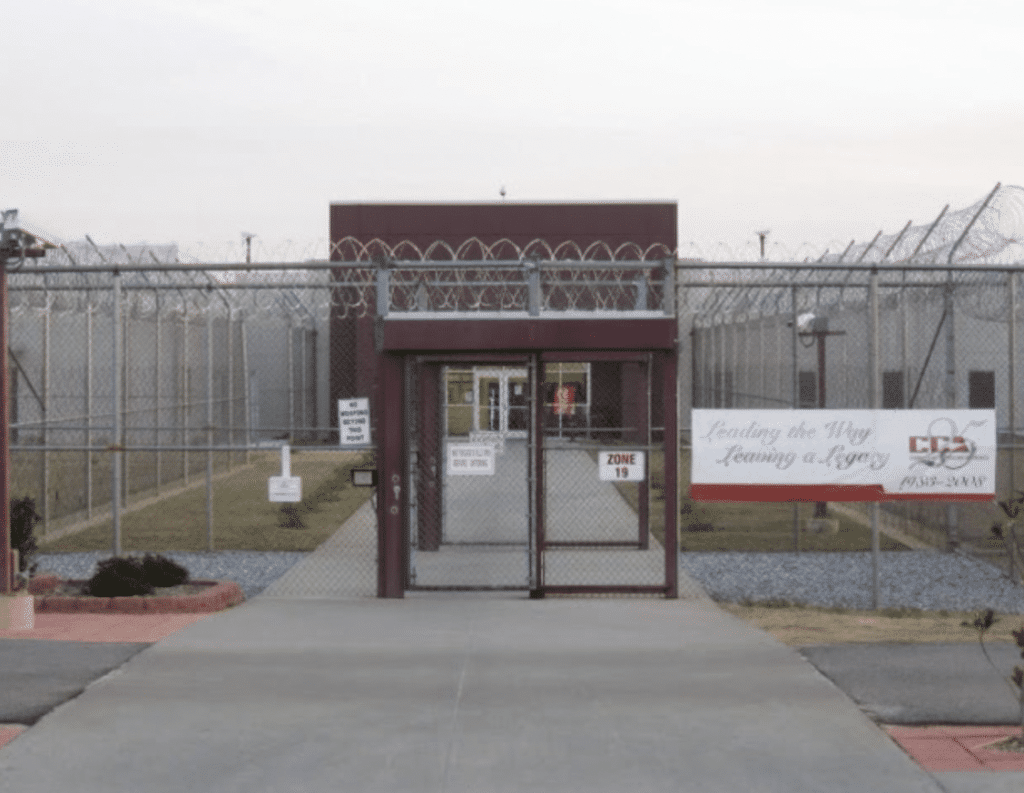
People detained at the Stewart Detention Center, in Lumpkin, Georgia, report that they can now access toilets inside their housing units, over seven days after sewage backup flooded parts of the detention facility. The backup left some detainees on the male side of the detention center without access to drinking water or showers inside their units, said Amilcar Valencia of El Refugio, a nonprofit that has been in touch with detainees’ families about the incident.
Sewage erupted in the cells of at least three to four housing units on the evening of October 6th, according to a press release published by El Refugio. Family members of those in the impacted units, and detainees inside the facility, said one to two centimeters of sewage water covered the cell floors.
After the sewage eruption, people were using porta potties placed in an area outside of the cells, and did not have drinking water available inside their units, according to El Refugio.
On Tuesday, October 13, a CoreCivic spokesperson told 285 South that the plumbing issue affected two housing units, and an outside plumbing contractor was brought in to fix it. “Work has now been completely resolved, and Stewart Detention Center is under normal operations. The affected areas have been cleaned and are currently free of backup,” the CoreCivic spokesperson wrote. All detainees have access to drinking water, functioning toilets, and hot showers.”
Detainees confirmed to El Refugio on Tuesday that they did have access to the toilets in their units and drinking water.
Still, some felt it was still unsafe to drink. “The smell is still there, it’s lingering,” said Amilcar, relaying back what they had heard from detainees and family members of those impacted by the sewage eruptions. One person told a volunteer at El Refugio that the water tasted like chlorine. Another reported that he was putting ice inside a microwave to melt it and then drink it. The volunteer said that depending on the level of comfort, some detainees are drinking tap water, while others are only drinking bottled water, which they have to buy from the commissary.
Amilcar previously reported that people were told to clean up contaminated water without protective equipment. In a response to an inquiry, the CoreCivic spokesperson wrote that detainees who assisted with the clean-up efforts did so voluntarily and were provided with the proper equipment.
“When the government chooses to detain people, it has a responsibility to ensure their basic health, safety, and dignity,” wrote Amilcar in a press release. “Its responsibility to both those detained and those who work there cannot be ignored.”
285 South reached out to ICE for comment but received no response.
Author

Related Articles

This Georgia resident was planning his wedding. Now, he’s on hunger strike in Folkston, fighting for his release from ICE detention
Around 500 people at the Folkston detention facility continue their hunger strike, protesting health and safety conditions, and prolonged detention
Kashmiri filmmaker and GSU alum behind Atlanta-filmed ‘Saffron Kingdom’ released after unlawful detention
The arrest comes as the Trump administration has ramped up immigration crackdowns across the U.S. — and its use of detention against pending cases, like Sheikh’s.
“If we’re not here, who is?”
This small nonprofit is a lifeline for hundreds of Afghans in the Atlanta area – now, they’re asking for community support.