“If we’re not here, who is?”
This small nonprofit is a lifeline for hundreds of Afghans in the Atlanta area. But it may be on its last legs.
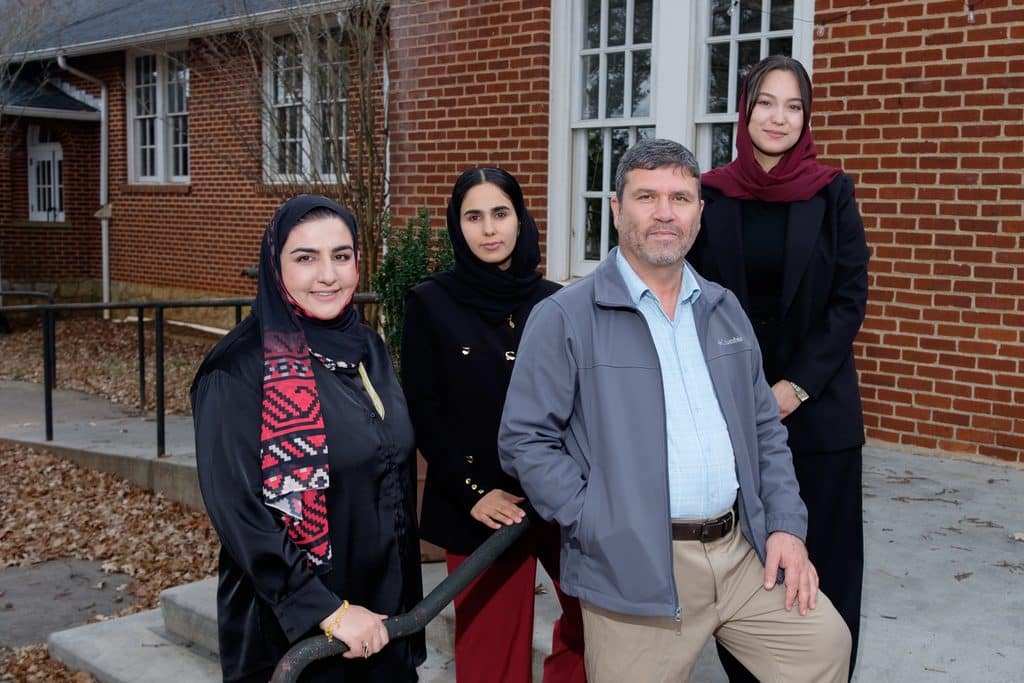
“We have a job in Norcross.” It’s a Friday afternoon and Shaista Amani is in her office in Clarkston, on the phone with a woman at another local nonprofit.
The job: a tortilla business off I-85 with open positions.
Sitting in plastic chairs beside her are two women and a toddler. One of the women was in a bind, and needed a job and the income it would bring urgently. She had come to the office after a domestic violence incident. She has seven children to feed and house.
Along with trying to find her a position, Shaista would fill out a Childcare and Parent Services (CAPS) form on her behalf – a task that can take up to an hour – so she would be able to access childcare support, and be able to work.
“This month, we were able to get 52 people in jobs,” said Shaisa. The toddler sat between the two women, scrolling on a cell phone.
It’s another day at the offices of the Afghan American Alliance of Georgia (AAAGA). They used to occupy three rooms inside the lower level of the Clarkston Community Center. Now they just have one.
People mill in and around the office, waiting to be seen.
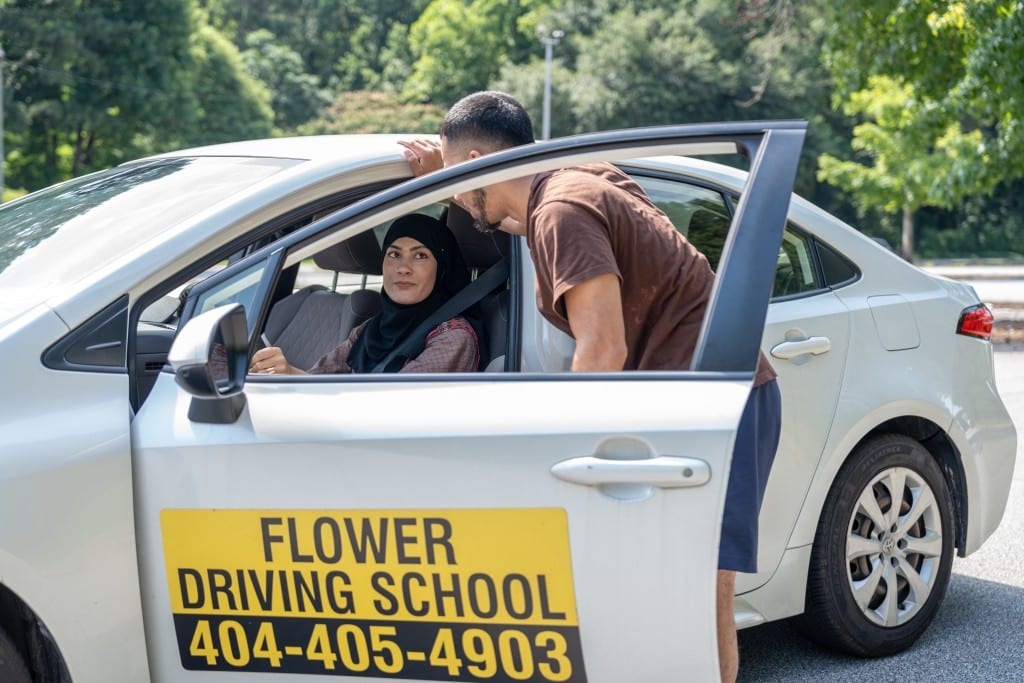
Walk-in hours are technically three times a week, but, says Shaista, who is AAAGA’s executive director, “There’s never a day that someone knocks on our door and we’re not here.” The office has been a reliable hub for the hundreds of Afghan families who’ve arrived in Georgia since the Taliban takeover in 2021. On any given day, their staff might be driving people to the Georgia Department of Driver Services to get their permits and licenses, holding English language classes, or accompanying folks to Walmart or Homegoods, to see if there are available jobs. Often, clients come in for bureaucratic tasks – like when case manager Sheela Poya helped a young Afghan man apply for a social security card replacement, after his wife accidentally washed his card in the laundry machine.
The work never stops, and due to a dizzying array of Trump Administration policies since 2025, the workload has multiplied, with ICE arrests, delays or freezes of immigration paperwork, and SNAP and Medicaid terminations, among the regular issues that show up at the office’s doorstep.
What has stopped though, is their federal funding, which was keeping the organization afloat – part of the Trump Administration’s gutting of money for refugee programs and support for specific ethnic communities. By the end of the year, said Shaista – unless they receive a generous grant – the nonprofit will be out of money, and will no longer be able to pay their staff, or pay for the small space they’re renting in the Clarkston Community Center, directly behind the Clarkston library.
”Food stamps have been cut off. The Medicaid has been horrible, and then at this point, if you cut off the support they get from AAAGA, as like the driving, the ESL,” said Shaista, continuing to list out the programs that have already ended, or will end, for their clients. “If we’re not here, who is?”
AAAGA was founded shortly after the Taliban takeover of Kabul in 2021. In the first year after that, around 76,000 Afghans arrived in the U.S. Most secured status through the Biden Administration’s humanitarian parole program, obtaining a Special Immigrant Visa (generally reserved for those who worked with U.S. forces in Afghanistan or Iraq), or through getting refugee status.
In Georgia, where over 3,000 Afghans eventually arrived, the need for resettlement support was urgent; a crisis, even, according to refugee advocates at the time. The AAAGA, co-founded by Afghan American and Decatur resident Hogai Nassery, filled a gap – they spoke Dari and Pashto, understood cultural nuances and sensitivities, and were able to support the larger refugee agencies in the resettlement effort.
The nonprofit secured a federal grant to support their work and eventually grew to four full time staff – all of whom are Afghan themselves and arrived after 2021, apart from Shaista, who came in 2017.
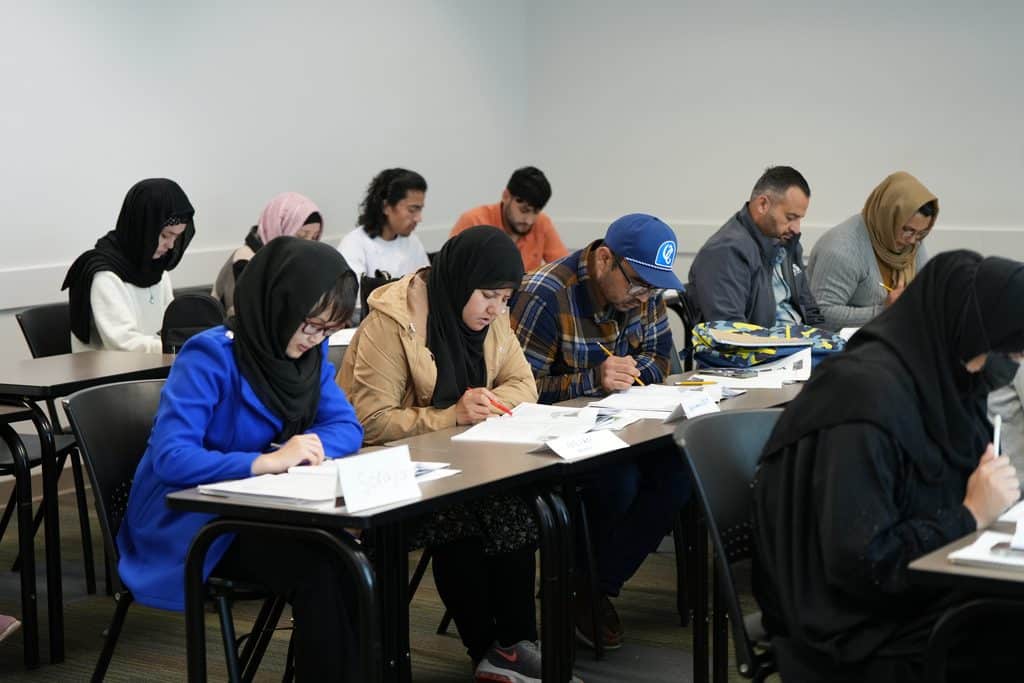
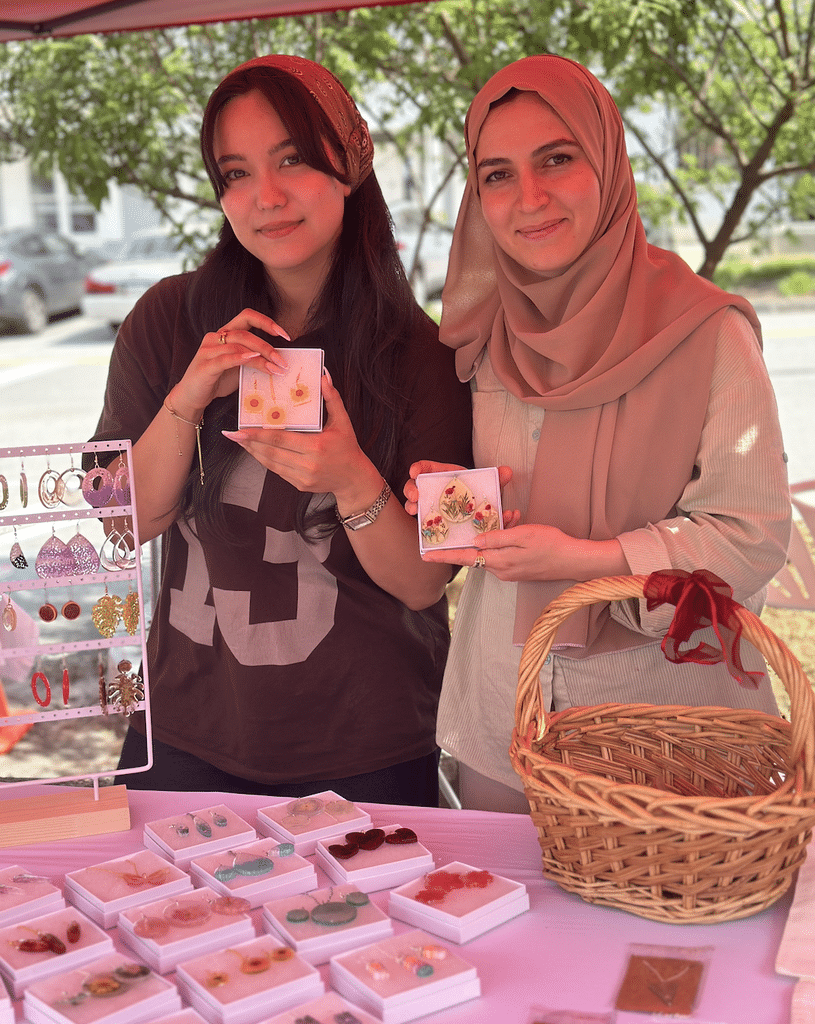
The list of AAAGA’s achievements is long, and often surprises people, given the small team. But after a few hours in the office or seeing the programs in action, when staff juggle multiple cases and clients, the impact is clear. According to the organization’s reporting, they’ve helped 4,000 mostly Afghan clients (increasingly, they’ve supported others too, including members of the Rohingya, Syrian, and Congolese communities) with resettling, including helping nearly 700 clients get their driver’s licenses. They paid Georgia State University to teach ESL classes, while also providing childcare and transportation, so that around 600 Afghans could learn English. They’ve helped fellow Afghan women launch their entrepreneurship journeys, starting small businesses, whether it’s an Etsy shop, a made-to-order bakery, or an online jewelry boutique. In all, they’ve supported the registration of 75 Afghan women-owned businesses in the state.
Even with their funding drying up, they’ve been busy these past few months, and the team has had success.
The situation for many families had gotten bad, Shaista explained, in light of the SNAP cuts that went into effect in 2025. AAAGA helped many families appeal the terminations, and, “in June and July was the time that we got a lot of food stamps rejections.” Securing employment became increasingly urgent. Clients walked in the office and were like “hey, just find me a job,” said Shaista, adding, “Especially women, which makes me so happy. As sad as I am for the new policies and stuff, that makes me happy.”
So this past summer, the team decided to go in person to as many shops, warehouses, and recruiting companies they could. “We were like, do you need workers? We have people, and they have clean backgrounds.” They even dedicated a day to going to Walmart, Publix, Ross and HomeGoods, establishing relationships with hiring managers. It worked. Now, “even the managers email us like, hey, I’m in need of this many people,” said Shaista. On Fridays, staff often come to the Clarkston office around 11 p.m., with clients, when Amazon posts warehouse job openings. As soon as the positions are posted, they fill out the required forms. The clients sit beside them, ready for the video identification verification step.
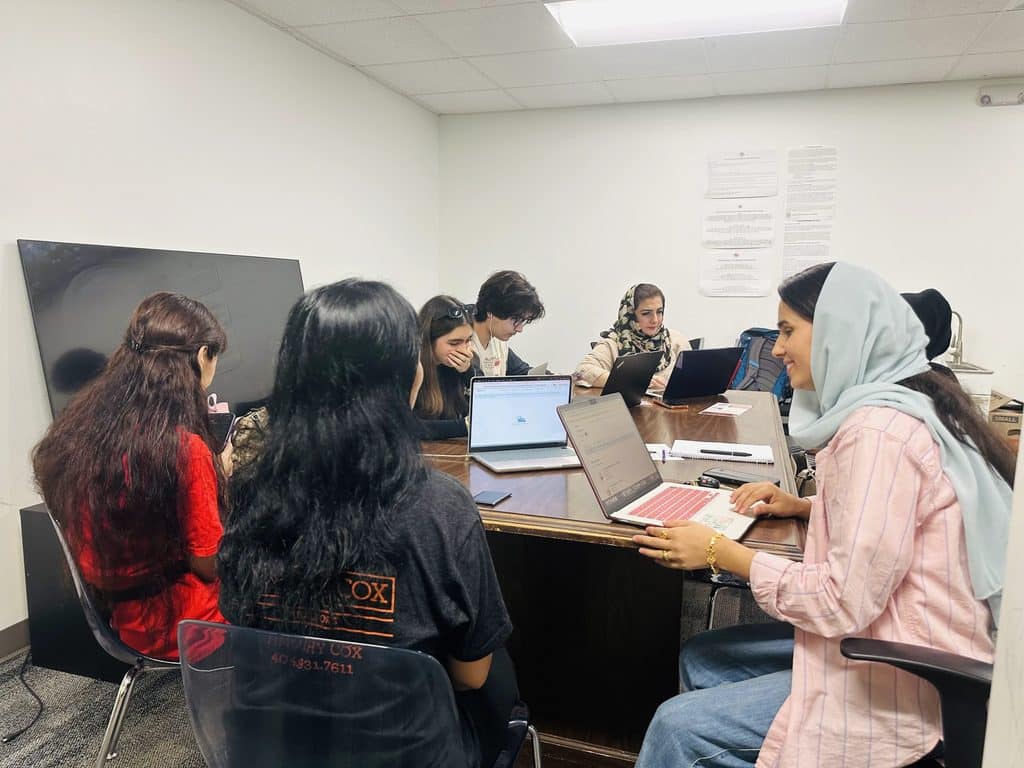
This level of dedication might seem unusual; but for the staff, said Shaista, it’s a mission. They’ve all been in the shoes of the clients themselves.
“Most of us, we are also new arrivals. We can totally understand how does it feel,” said Marzia Rostami, sitting beside Shaista. She’s AAAGA’s Economic Empowerment Manager, and is also enrolled as a full time student at Georgia State University.
Like so many Afghans, Marzia is waiting on a green card, as are her parents, who moved to the U.S. about a year after she did. Shaista’s mother in law lost SNAP benefits after the One Big Beautiful Bill Act went into effect.
Marzia can’t imagine Atlanta without AAAGA. In 2021, she was living in Kyrgyzstan, studying at university. When the Taliban took over Kabul, she knew she couldn’t go back; the university helped her apply for Priority 1 (PI) refugee status. She arrived in Atlanta in 2023, alone.
“When I came here, all I was talking about was school,” she said. Marzia hadn’t been able to complete her undergraduate degree in Kyrgyzstan, and was determined to continue her education in the U.S. But she also had other things to juggle – “I know that when you come here, you need to be employed. You need to think about your SNAP, Medicaid, and everything,” she continued. “I didn’t know there is a community here, like Afghans.”
She met Hogai, the founder of AAAGA and Shaista, who insisted she interview for a position with the nonprofit. After the interview, said Marzia, “Shaista was like, ‘Do you need a ride to your home?’ Because she knew that I’m not driving and I don’t have a car.” In the car, Marzia opened up. She hadn’t been able to secure an apartment, because she didn’t have a paycheck. That same day, Shaista accompanied her to the landlord of an apartment complex so she could be put down as her sponsor. Speaking to the leasing office, “She was like, ‘I’m like a cousin to her.”
The bonds between the staff are undeniable; in fact, the husband of AAAGA case manager Sheela Poya, as well as Shaista’s husband, taught Marzia how to drive.The fourth staff member, Ahmad Farid Sultani, is lovingly called “Farid brother.” As Marzia speaks, Shaista sits beside her, listening intently. On the desk is a container of grapes, and one of cut up pineapple, along with a bar of Lindt dark chocolate. Shaista smiles – “I got diabetes, so Marzia brought me dark chocolate,” which she says she now prefers to milk chocolate.
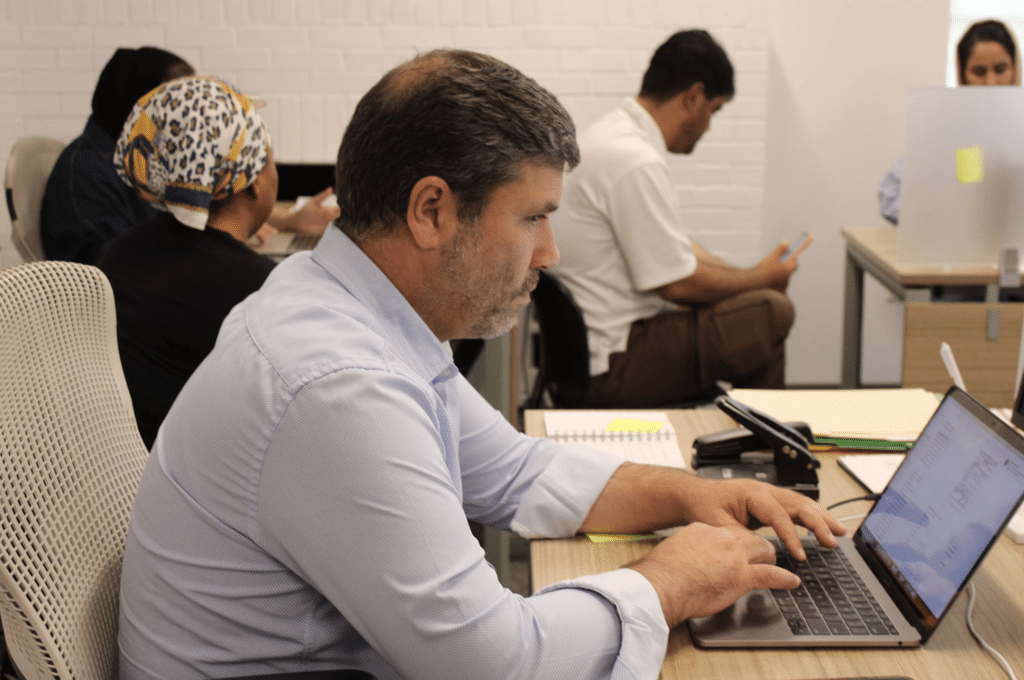
Closing the office doesn’t seem to be a possibility any of the four staff want to even think about. Even if the funding runs out, said Shaista, they’ll still serve clients. “As staff members we have committed to at least be here or somewhere once a week.”
The needs never seems to end. Whether it’s finding temporary housing and dealing with paperwork after an apartment fire displaced a number of Afghan families, helping families back on their feet after after an eviction, or dealing with complicated, messy situations as newly arrived Afghans navigate living in the US, and the cultural challenges that brings as their children deal with everything from school drama to social media.
The work is all-consuming, but, says Shaista, it’s hard to turn away. “If there is a need, direct services, we leave everything.”
Learn more about the Afghan American Alliance of Georgia on their website or follow their Instagram account. Info about their upcoming fundraising dinner on November 13, 2026.
Author

Related Articles
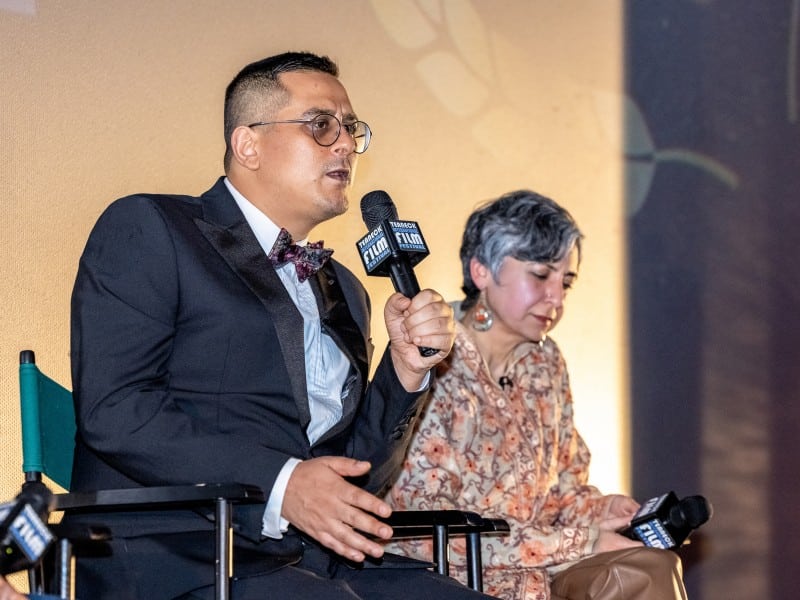
Kashmiri filmmaker and GSU alum behind Atlanta-filmed ‘Saffron Kingdom’ released after unlawful detention
The arrest comes as the Trump administration has ramped up immigration crackdowns across the U.S. — and its use of detention against pending cases, like Sheikh’s.
As Medicaid terminations go into effect, thousands of immigrants and refugees in Georgia face losing healthcare
So, we’ve updated our list of free or low-cost health care clinics in the Atlanta metro
Inside Atlanta’s “mega master” immigration hearings
Advocates warn of a concerning trend inside Atlanta’s immigration courthouse: hearings that resemble an “assembly line . . . rushing people into a mass deportation process.”