After her brother’s death in ICE custody, a Georgia woman is left with unanswered questions, the logistics of his burial—and deep grief
On July 13, Jesus Manuel Arenas-Silva became the 22nd person this year to die in ICE custody. Advocates say the government isn’t providing the medical care detainees need.
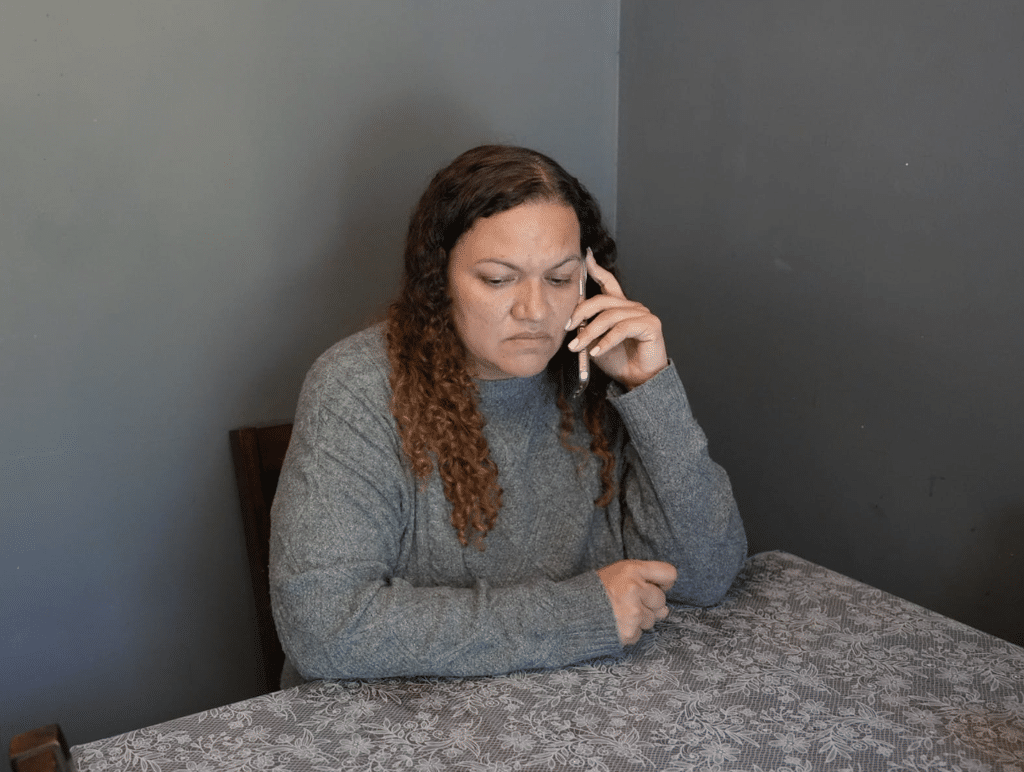
Sitting at her kitchen table, Sonimar Arenas remembers the Thursday morning her brother was arrested. Jesus Manuel Arenas-Silva had just woken up in their home in Dallas, a small town nearly an hour northwest of Atlanta, and headed outside. Following his usual routine, Jesus was taking his dog, Zimba, for a walk around the family’s quiet, tree-lined neighborhood. All of a sudden, though, Sonimar—who was still in bed—heard Jesus calling her name. “Cuando abrí la puerta, jamás me imaginé ver esa escena,” she said. When I opened the door, I never imagined I would see that scene. Two officers from U.S. Immigration and Customs Enforcement had her brother in handcuffs.
As they started leading Jesus away, Sonimar pleaded with the officers to stop. “Yo le dije a él que por favor que no se lo llevara, que mi hermano tenía un estado de salud demasiado delicado,” she said. I told them not to take him because my brother’s health was extremely fragile.
Jesus couldn’t live without medication for his hypertension, which Sonimar ran to his room to get. She wasn’t able to find it, but she could locate the medication he took for severe anxiety and depression. She begged the officers to let her ask Jesus, who by now was in their car, where his other medicine was. They told her, she said, to stay away from their vehicle.
Sonimar and her 13-year-old son, Manuel, who witnessed the arrest, were left at home struggling to grasp what had just happened.
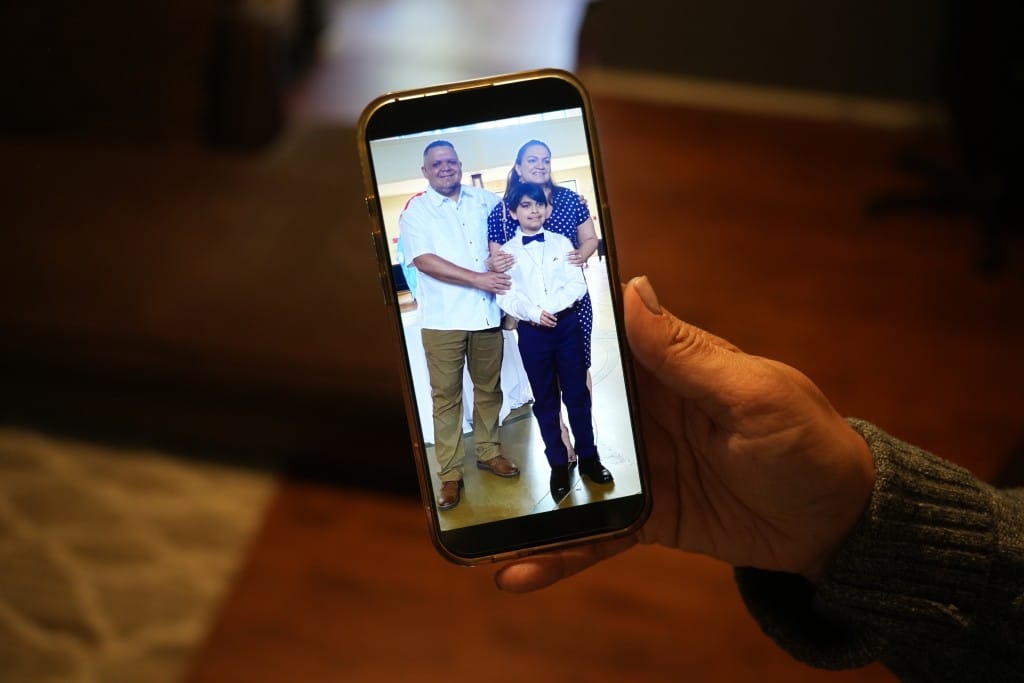
Sonimar and Jesus are both from Venezuela; she had moved to the U.S. as a permanent resident with Manuel and with her husband, who is originally from El Salvador. Arriving in the United States in 2021, Jesus moved in with his sister and her family. He found work as a cook at a nearby restaurant and as a handyman in a hotel. He also helped take care of his nephew, Manuel; they’d play soccer together, mow the lawn, and hang out after school.
The weekend after Jesus was arrested, he called Sonimar from the Irwin County Detention Center. He told her, she said, that he hadn’t been given his anxiety medication or any hypertension medication since he hadn’t been able to bring his own at the time of his arrest. Jesus also spoke to Manuel, who he apologized to for having to see his arrest. Manuel told his uncle that he missed him and loved him, and that they were going to get him released.
Four days after Jesus’s arrest, on July 13, Sonimar and Manuel headed to his primary care physician to get his medical records to send to a second detention center, the Folkston ICE Processing Center, where Jesus was about to be transferred. When they were in the waiting room, Sonimar received a phone call. The man on the line told her that Jesus had had a heart attack during the transfer, and that he was dead.
“Él me dijo que lo sentía mucho, ¿Pero de qué valía eso?” she said. He told me he was very sorry, but what was that worth?
In a statement released two days later, ICE attributed Jesus’s death to cardiac arrest. He was the 22nd person to die in ICE custody this year alone, and the latest in a string of medical emergencies related to immigration detention. In October 2025, ICE—which has been criticized for not providing sufficient medical care to people in its custody—stopped paying outside medical care providers for detainee care, according to media reports. In Georgia, an analysis by the nonprofit El Refugio found that, in 2026, 74 cardiac emergencies had occurred in the largest ICE facility in the state, the Stewart Detention Center in Lumpkin. Volunteers came to that number by looking at emergency dispatch records, volunteer observations, and firsthand accounts from detainees.
ICE did not respond to a request for comment from 285 South.
Learning of Jesus’s death, Sonimar called their older sister in Venezuela—who had to break the news to the siblings’ mother, because Sonimar didn’t have the strength to do it. “Yo escuchaba a mi mamá gritando, horrible. Yo tuve que cortar la llamada porque sabía que esa iba a ser su reacción. Era su hijo adorado, su único varón,” she said. I could hear my mom screaming—it was horrible. I had to hang up because I knew that would be her reaction. He was her beloved son, her only boy.
“Mi mamá dice que ella está muerta en vida,” Sonimar said. My mom says she is dead in life.
The road ahead for Jesus’s family
As Jesus’s only next of kin in the U.S., Sonimar was responsible for everything that followed: She had to sign authorizations to move the body, get his birth certificate and other documents from Venezuela, translate and have the documents notarized—effectively, to become the only point of contact for all of the logistics that will lead to Jesus being put to rest. She also received a call from the Georgia Bureau of Investigations (GBI) letting her know the agency had opened an investigation into Jesus’s death. It’s been a month since that call, and she hasn’t heard anything.
GBI did not respond to a request for comment from 285 South regarding the status of the investigation into Jesus’ death.
“Hasta el 9 de julio fue una vida y del 9 de julio hasta hoy es otra vida. Mi vida no va a ser la misma nunca más. La muerte de Jesus Manuel es una cosa que cambió mi vida para siempre,” Sonimar said. Up until July 9, it was one life, and from July 9 to today, it is another life. My life will never be the same again. Jesus Manuel’s death is something that changed my life forever.
Sonimar had read in one of Jesus’s journals that if he ever died in the U.S., he wanted his body to rest in his home country, and she wanted to honor his will. But the two massive earthquakes that hit Venezuela in late June made that impossible. The funeral home told her that because there were no flights going in or out of the country, his body couldn’t be moved. She tried to bury him in the U.S. but the costs were too high, and money from a GoFundMe set up to help the family couldn’t cover it. In late August, Sonimar finally made the painful decision to cremate her brother.
Sitting at her kitchen table, where she used to have long conversations with Jesus and share meals,Sonimar says she’s exhausted: “Yo no tuve como ese proceso de duelo normal. Yo tuve que afrontar todo el tema y ya después de que yo vi a mi hermano, yo cerré ese capítulo.” I didn’t really go through that normal grieving process. I had to face the whole situation, and once I saw my brother, I closed that chapter.
After two months, Sonimar started therapy. Manuel is also receiving counseling. Sonimar said she barely spends time at her home because of how empty it feels. Instead, she stays outdoors and visits places where she and Jesus used to go together—she recently sat in a Walmart hallway that they had visited a few months before when Jesus needed new sandals. She also visited the kitchen of a restaurant where Jesus used to work. She smells Jesus’s clothes, still in his bedroom, which she hasn’t touched. Though Sonimar worked as a server in a Mexican restaurant, she lost her job when she got caught up in paperwork after Jesus’s death. Now she’s starting to look for a new one.
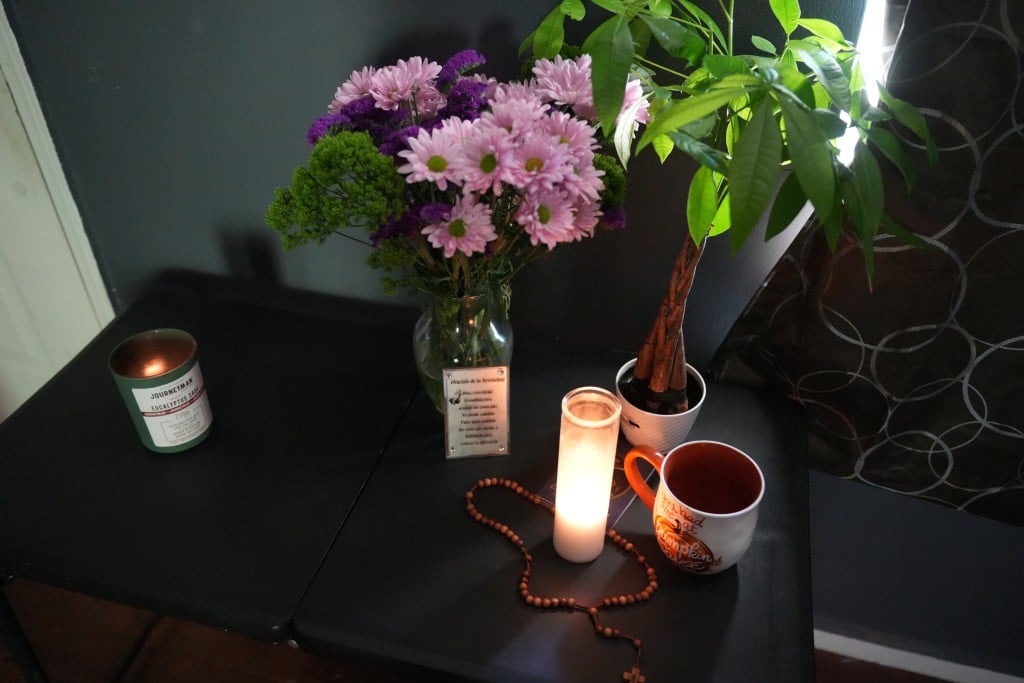
As each day passes, Sonimar feels increasingly like Jesus’s death was the result of pure negligence, she said: “Se lo llevaron para que él se muriera.” They took him away so he would die. She’s leaning on her relationship with God to help navigate the grief.
She’s also remembering the good times; baking cinnamon rolls together and then sometimes selling them on Facebook Marketplace, or making pan de jamón, a traditional Venezuelan Christmas bread. Her mind sometimes goes back even further, to when they were little kids and walked together to school in their small town of Delta Amacuro, in Venezuela, just next to Guyana.
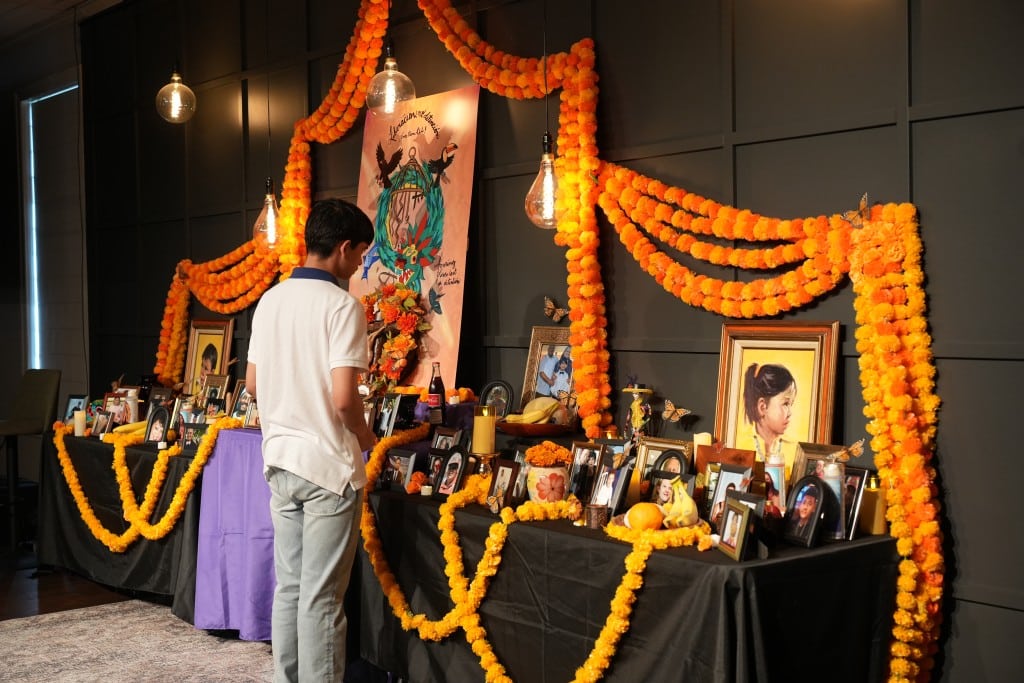
On a recent Saturday morning, Sonimar, Manuel, and Sonimar’s husband, Wilson, attended a vigil in Smyrna that honored the lives of those who had died in ICE custody, including Jesus. It was the closest she had to a funeral for her brother.
“Lo que le pido a Dios es que mi hermano esté descansando,” she said. What I ask of God is that my brother is resting.
Author

Related Articles
Leaked reports show surge in use of force in Georgia immigration detention centers
Use of force surged 63% at two Georgia immigration detention centers
One Year After Georgia Hyundai ICE Raid, Community Fear Persists
A closed Asian grocery store, many Latino workers still in legal limbo, and discomfort with police presence.