Election Day is here.
Plus: catch up on 285 South’s election coverage.

It’s Election Day. If you haven’t yet voted—find your polling location here. You have until 7pm!
Follow 285 South’s Gabriela Henriquez Stoikow and Sophia Qureshi today via Instagram and X. We’ll be reporting from polling locations and watch parties in immigrant-dense parts of the Metro area. And, of course, we’ll report what the results mean to the diverse immigrant communities in and around Atlanta.
For many months now, we’ve been covering the run-up to the election and how it’s playing out in Metro Atlanta’s immigrant communities. So if you’ve missed these stories, now might be a good time to catch up.
We’ve heard from voters in public parks, learned how the war in Gaza and Lebanon is impacting how people might vote, and looked at how counties are translating ballots into Spanish—in some cases, falling short because of an overreliance on machines over human beings.”And while the presidential election tends to get most of the attention, we’re also tracking local races that could have a profound impact on the lives of those in the Atlanta area—such as ballot initiatives that, if approved by voters, could greatly expand public transportation in Gwinnett and Cobb counties”
We’ve also been spotlighting the people encouraging others in their communities to vote, like Kay Kang, who’s been motivating elderly Korean Americans this election season, and 16-year-old Nia Batra—who isn’t old enough to vote, but has been spending her time knocking on doors to remind eligible adults that this election is too important to ignore.
285 South has been on the sidelines at USCIS citizenship ceremonies this fall, as immigrants like 86-year-old Meichan Fang pledged their oath of allegiance, and registered to vote minutes after—part of a large-scale effort to register new Americans.
We’ve also spotlighted the voices of Metro Atlanta residents like Liliana Alvarado, who found out she was undocumented when she was 16 years old. She can’t vote. And yet, she writes, “Undocumented people . . . and other immigrants watch our issues—our people—tossed around by those with few ties to our communities.” She finds hope not in presidential candidates but in “building networks of solidarity that allow us to help others, and ourselves.”
Thank you for reading, and don’t hesitate to reach out to us with your question, concerns, story ideas or tips.
As always, if you want to support 285 South’s reporting, donate here.
Author

Related Articles
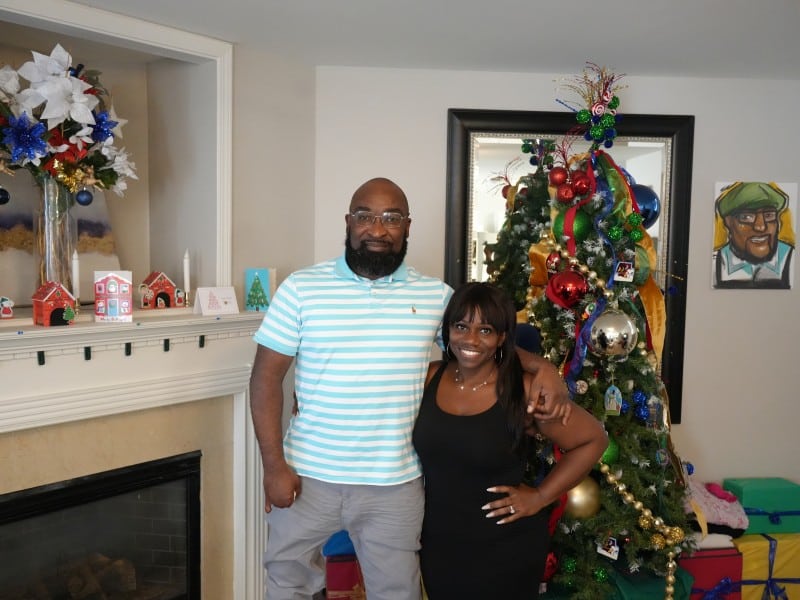
After 15 months in immigrant detention, Rodney Taylor is back home—but is still fighting for those left behind
“The Lord has for me what he has for me. He put it in my heart, in my spirit to continue this fight, so I’m not fearful of anything,” Rodney said.
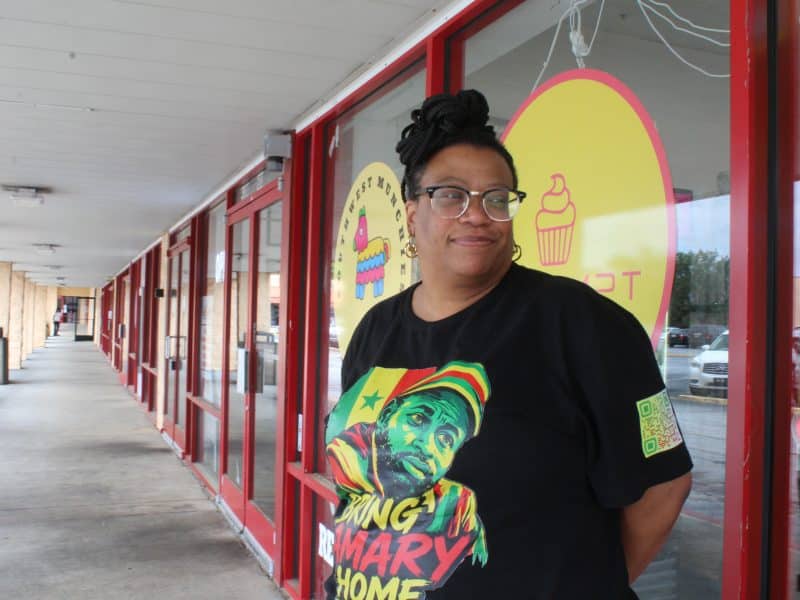
ICE has two offices in downtown Atlanta. Amary Sall arrived for an appointment at the wrong one—and was deported
Amary and his wife, Gail, had recently opened a restaurant in Decatur. Now she’s left to pick up the pieces of their life.
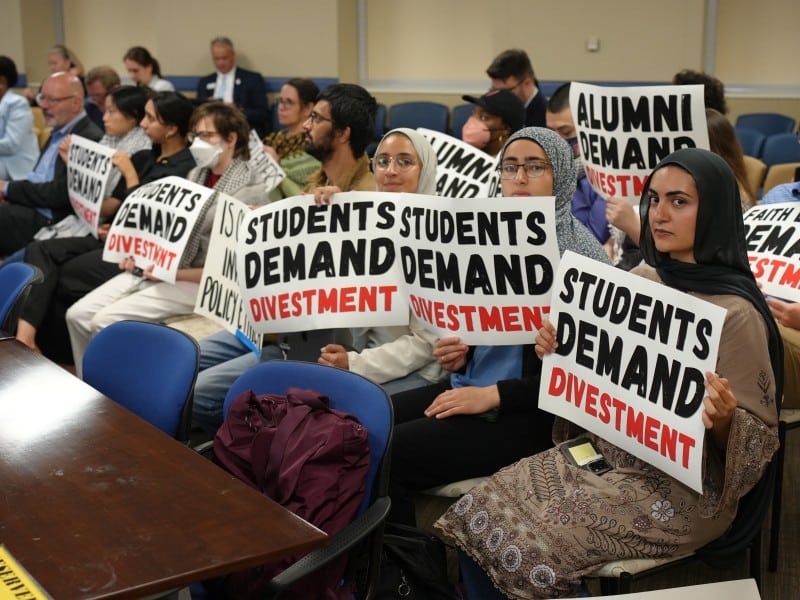
In a silent protest, Georgia Tech alumni continue to demand that the University System of Georgia divest from Israel’s war on Gaza
The group wants “to ensure that we don’t have our tuition and our legacies at our schools connected to something that is hurting so many people,” one alum said.