Georgia’s elder care workforce faces impact as Haitians lose protected immigration status

*This story was first published by our media partner WABE.
Advocates warn everyone in Georgia could feel the effects of Haitians losing temporary protected status as the Trump administration shrinks pathways for immigrants to stay in the country.
About one out of every four health care workers who provide direct patient care nationwide is an immigrant, according to KFF, a nonprofit health policy group. These health care workers help elderly people and those with disabilities with medical care, personal hygiene and daily errands.
“Georgia really can’t afford to lose any more healthcare workers,” said Alexandra Audate, an Atlanta-area immigration attorney. She said Haitian workers filled many of these roles in the state.
“All of us in general, who would otherwise not be affected by immigration issues, are being placed right in the middle of it,” she said. “We’re seeing people in their 90s that are U.S. citizens who have no immigrant relatives now having to care about immigration because their caregiver is not coming anymore.”
Georgia has fifth-highest population of Haitians in the US
Haitians qualified for Temporary Protected Status, which lets people live and work in the U.S. because of dangerous conditions in their home countries. Haitians have qualified for TPS in the country since a devastating earthquake in 2010, and that status has been renewed over the years due to political unrest.
“The situation in Haiti is extremely, extremely worrisome,” Audate said. “We’re not talking about individual small failures. We’re talking about complete systemic failures of the government. There is no executive branch here. There is no legislative branch here, there is no judiciary that can remotely meet the standard of what a functional society should have.”
Georgia has the fifth-highest population of Haitians in the country, with estimates of more than 42,000 statewide according to Census data. About 14,500 of them live in metro Atlanta alone, according to estimates from the Atlanta Regional Council.
“According to an AARP report, 59 million family caregivers provide care equivalent to 23.8 million full-time workers,” said Rebecca Shi, CEO of the American Business Immigration Coalition, a group of businesses advocating for immigration reform. “Removing this critical TPS workforce will force more Americans to bridge this gap while already navigating higher costs and limited options in care homes.”
Related Articles

Leaked reports show surge in use of force in Georgia immigration detention centers
Use of force surged 63% at two Georgia immigration detention centers
One Year After Georgia Hyundai ICE Raid, Community Fear Persists
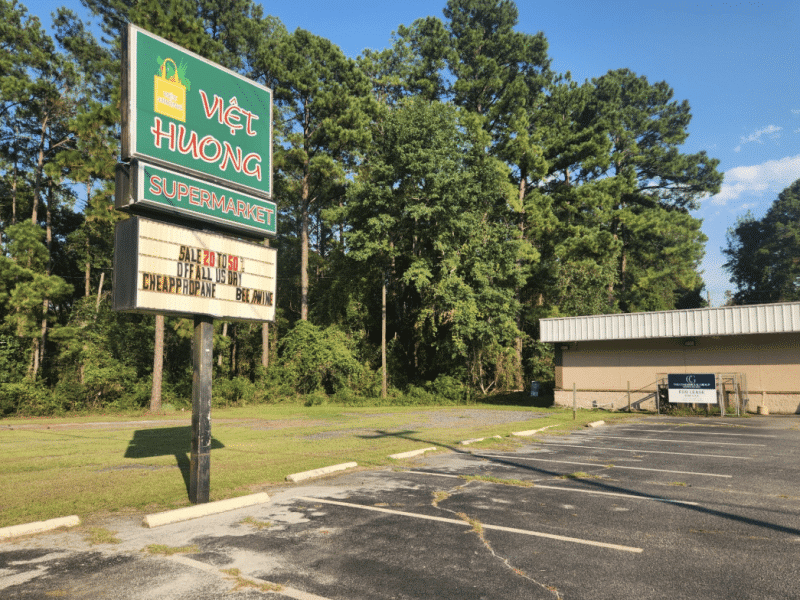
A closed Asian grocery store, many Latino workers still in legal limbo, and discomfort with police presence.
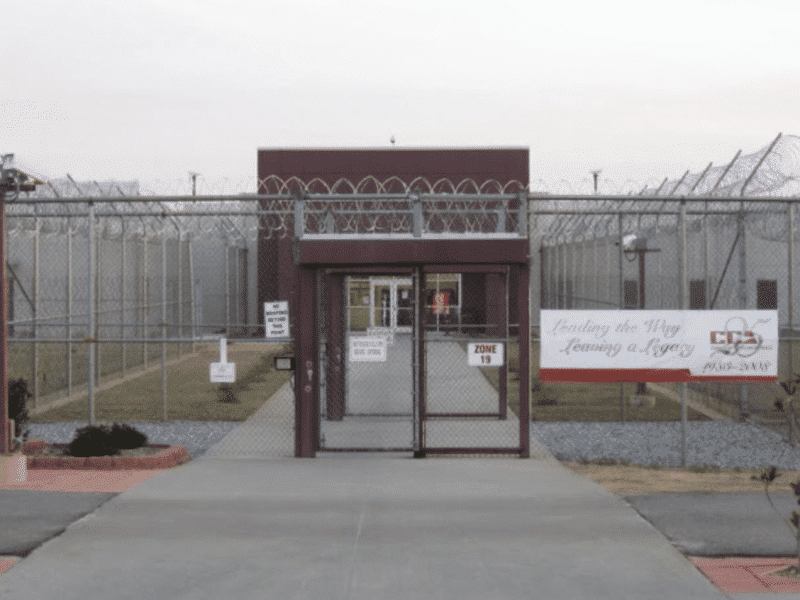
Senator Warnock alerts of “serious concerns” around healthcare access, after visit to Stewart Detention Center
Including, for pregnant women.