Leaked reports show surge in use of force in Georgia immigration detention centers
Use of force surged 63% at two Georgia immigration detention centers
*This story was first published by our media partner WABE.
An analysis of daily Immigration and Customs Enforcement emails called the “Daily Detainee Assault Report” found use of physical force against immigrants in Georgia immigration detention centers increased from 2024 to 2025.
WABE analyzed reports leaked by a federal government employee to the Washington Post.
Use of force surged 63% at two Georgia immigration detention centers
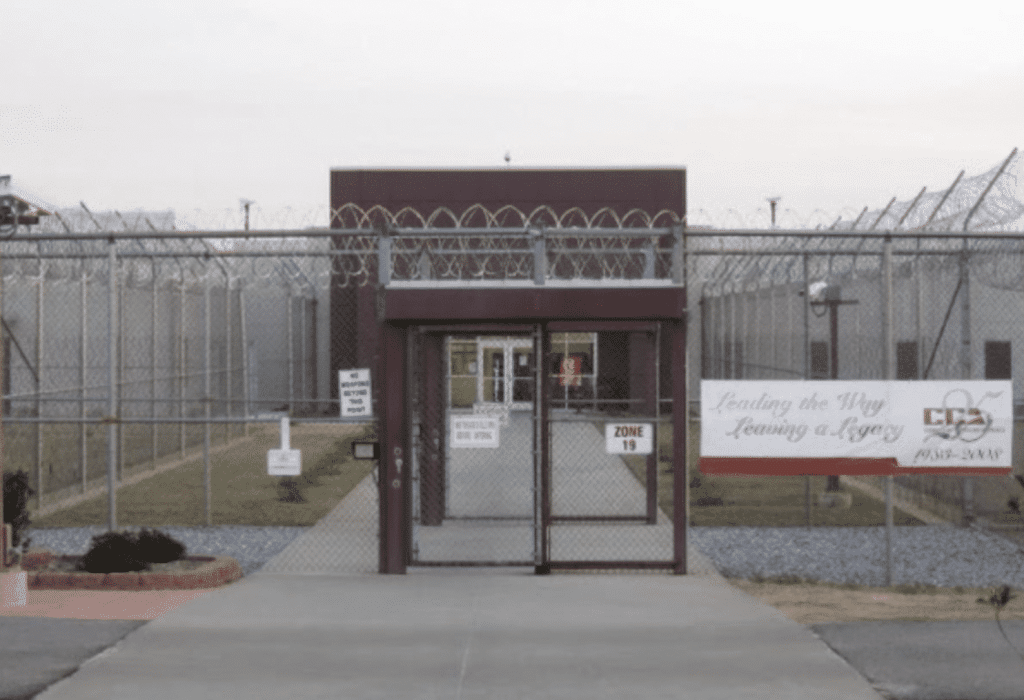
The leaked documents include reports from two detention centers in Georgia: Folkston ICE Processing Center in Southeast Georgia, and Stewart Detention Center in Southwest Georgia, both run by private prison companies.
In 2024, there were 27 reports of physical force used against detained immigrants across the two Georgia detention centers. In 2025, there were 44 reports.
“I have heard of all of this happening for many, many years now,” said Priyanka Bhatt, an attorney with the immigrant rights nonprofit Project South. She said she rarely gets to see official documentation from the government detailing use of force issues, though.
“We file Freedom of Information Act requests to get information from the government, about use of force, about sexual assaults, about deaths in detention, and they don’t give it to us,” Bhatt said. “We have to resort to suing them just to get information that they very much have that they don’t want to give us. That costs money and time, and years and years of it.”
These reports detail use of pepper spray and physical restraints. Some reports describe using physical force after detained immigrants did not comply with verbal orders or after physically attacking detention guards.
ICE did not respond to a request for comment. Its policy states physical force is used only after all other measures to resolve a situation have failed.
“The government should be publishing this information to hold itself accountable, to be transparent,” Bhatt said. “It should not have to be leaked.”
Related Articles
One Year After Georgia Hyundai ICE Raid, Community Fear Persists
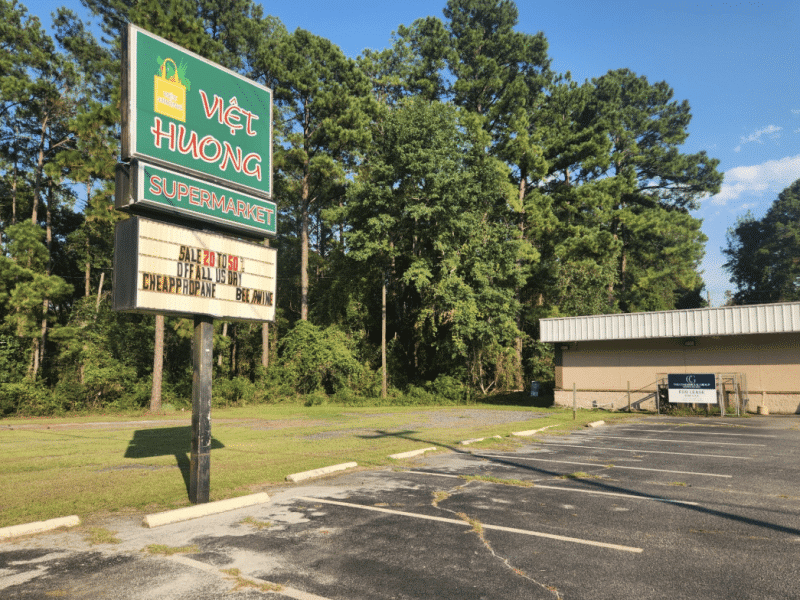
A closed Asian grocery store, many Latino workers still in legal limbo, and discomfort with police presence.
Senator Warnock alerts of “serious concerns” around healthcare access, after visit to Stewart Detention Center
Including, for pregnant women.

Georgia passed a law targeting undocumented immigrants who commit crimes, after a high-profile 2024 murder. It may not be doing much for public safety.
In diverse Gwinnett County, HB1105 has become a quiet tool for the Trump administration to advance its immigration crackdown.